Guides
Pilates equipment, explained properly
218 guides on choosing, using and maintaining Pilates reformers — written around the specifications that actually differ between machines, not the adjectives that don't.
Technique & progression
-

Common reformer mistakes
The four most common reformer errors are letting the carriage return too fast, gripping the hip flexors instead of the deep abdominals, flaring the lower r
-

How to progress in Pilates
Progress in Pilates by increasing range, slowing tempo, reducing the base of support, adding complexity, or removing assistance — before increasing spring
-

Finding neutral spine
Neutral spine means the natural curves of the spine preserved with the pelvis level — neither tucked under nor tipped forward. Lying supine, the pubic bone
-

Breaking through a Pilates plateau
Plateaus in Pilates usually come from doing the same sequence at the same tempo with the same springs. Change tempo first, then range, then reduce the base
-

What "engage your core" actually means
Core engagement means generating enough tension through the abdominal wall and pelvic floor to keep the spine and pelvis stable against a load. It is not s
-

Tempo in Pilates
Slowing the eccentric phase to three or four seconds roughly doubles time under tension without changing spring load. It is the single most effective way t
-
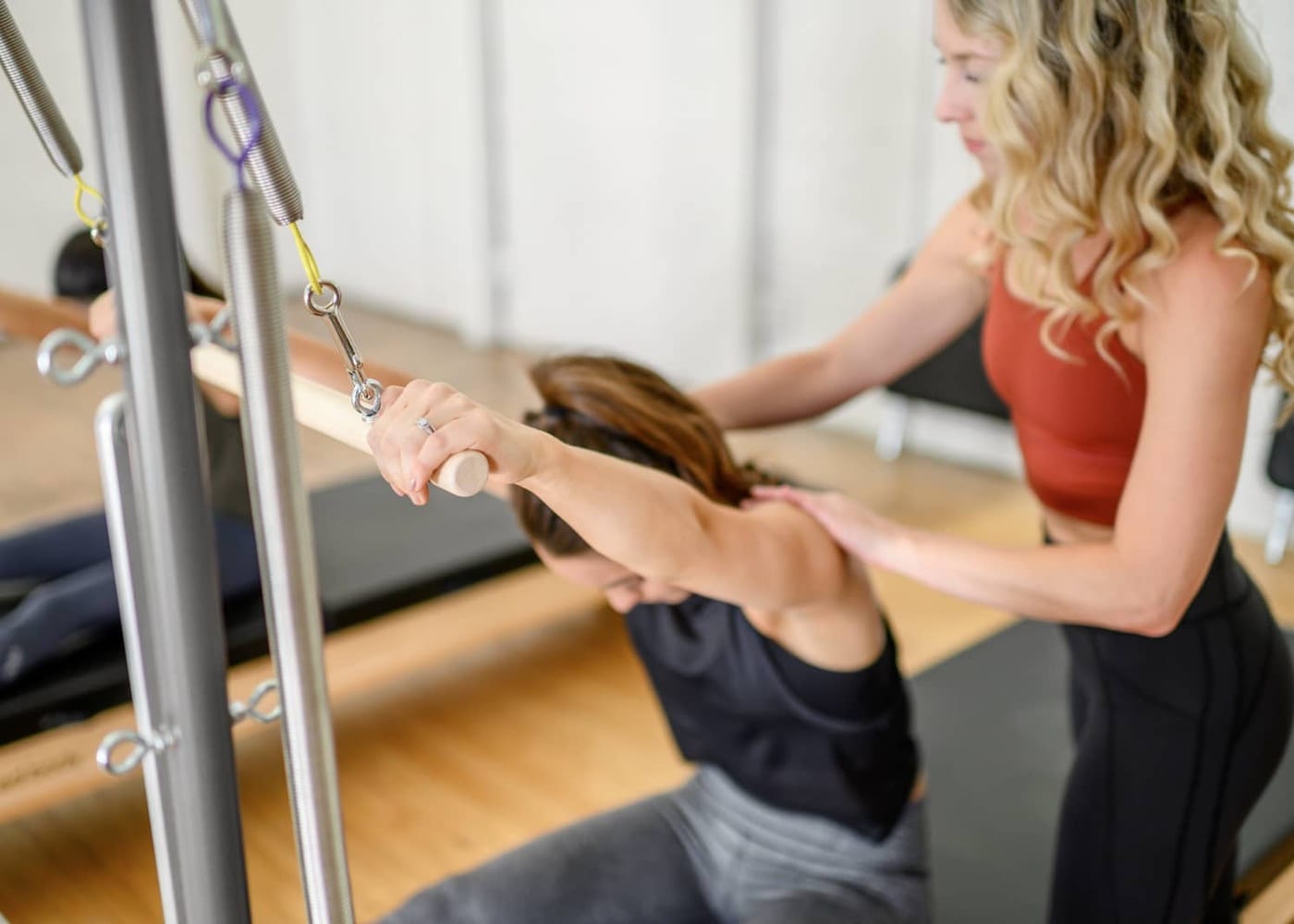
Reformer footwork technique
Good footwork keeps the pelvis neutral and still, the knees tracking over the second toe, and the carriage returning under control rather than snapping hom
-
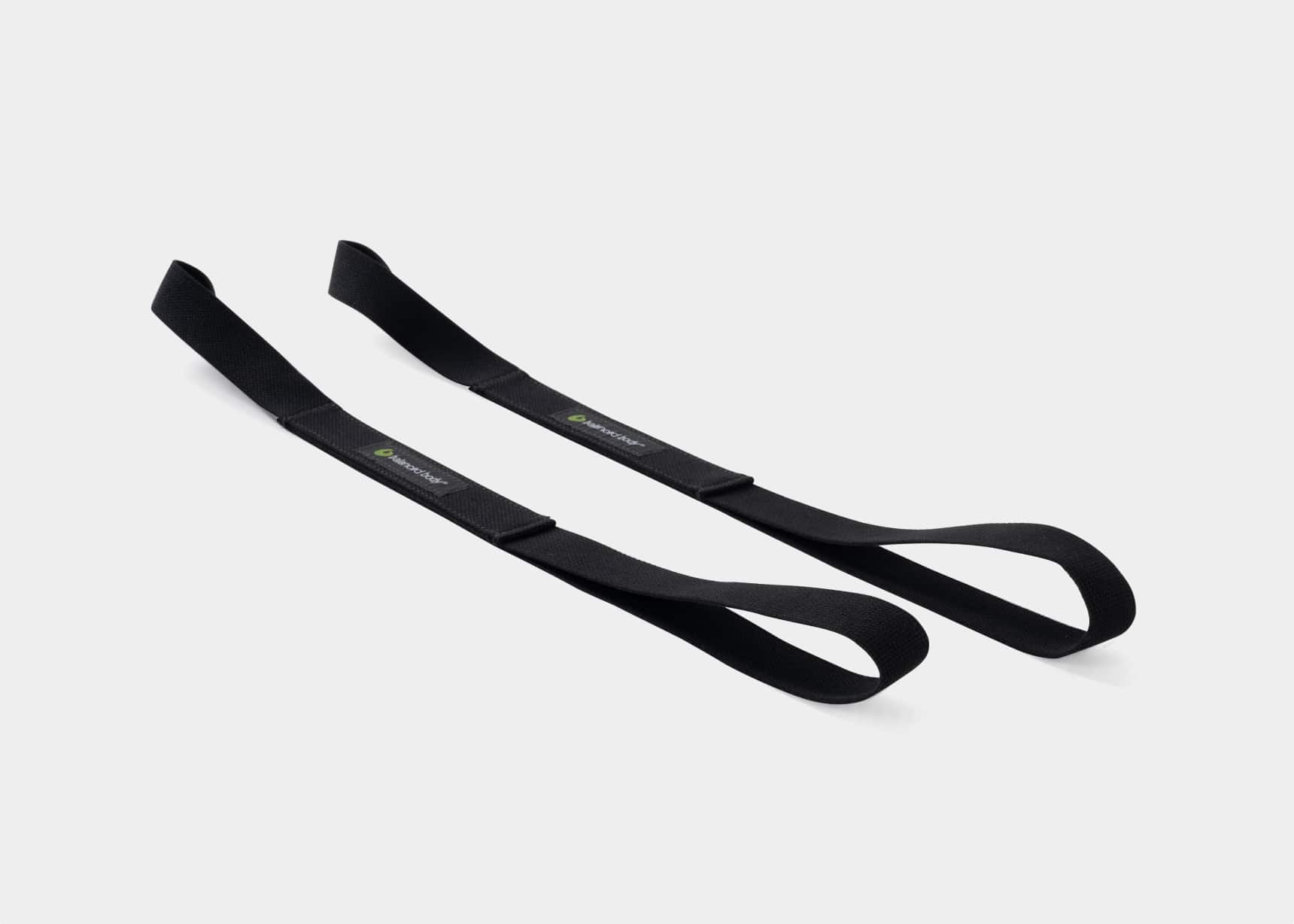
Reformer strap work technique
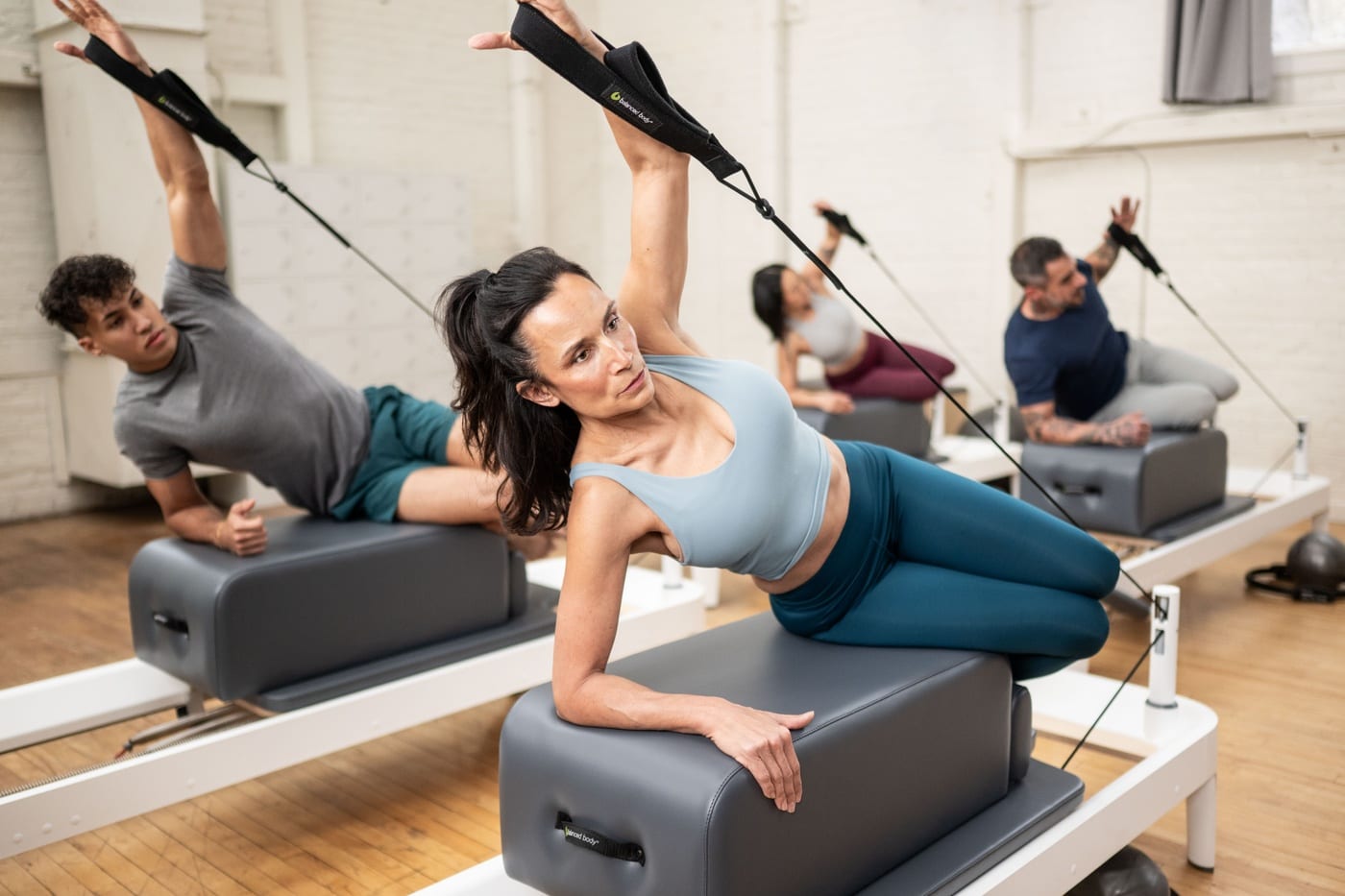
In strap work the pelvis and ribcage stay still while the limbs move. Most errors come from letting the trunk contribute — rocking the pelvis to make leg c
-
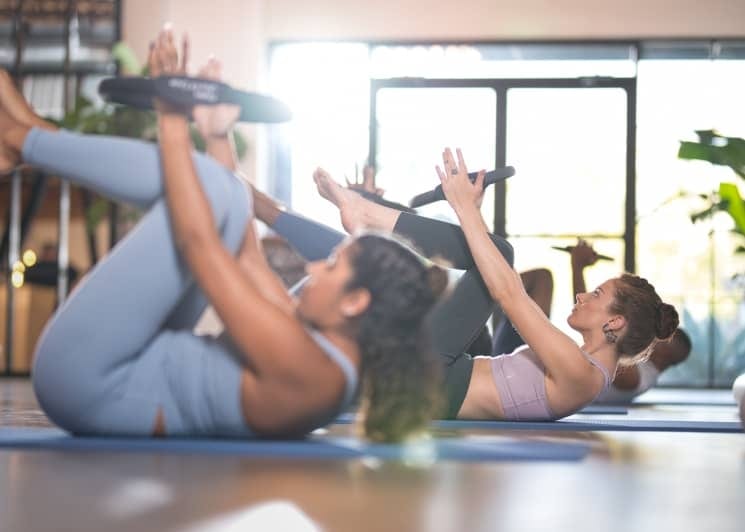
Improving balance with Pilates
Balance improves through progressive reduction of support: two feet to one, stable surface to unstable, eyes open to eyes closed. The reformer contributes
-

Pilates and body awareness
Pilates improves proprioception — your sense of where your body is without looking — because it demands precise positioning at low speed with constant feed
-
When to modify a Pilates exercise
Modify when position degrades, when you feel the exercise somewhere it does not belong, or when pain appears during the movement. Reduce range first, then
-
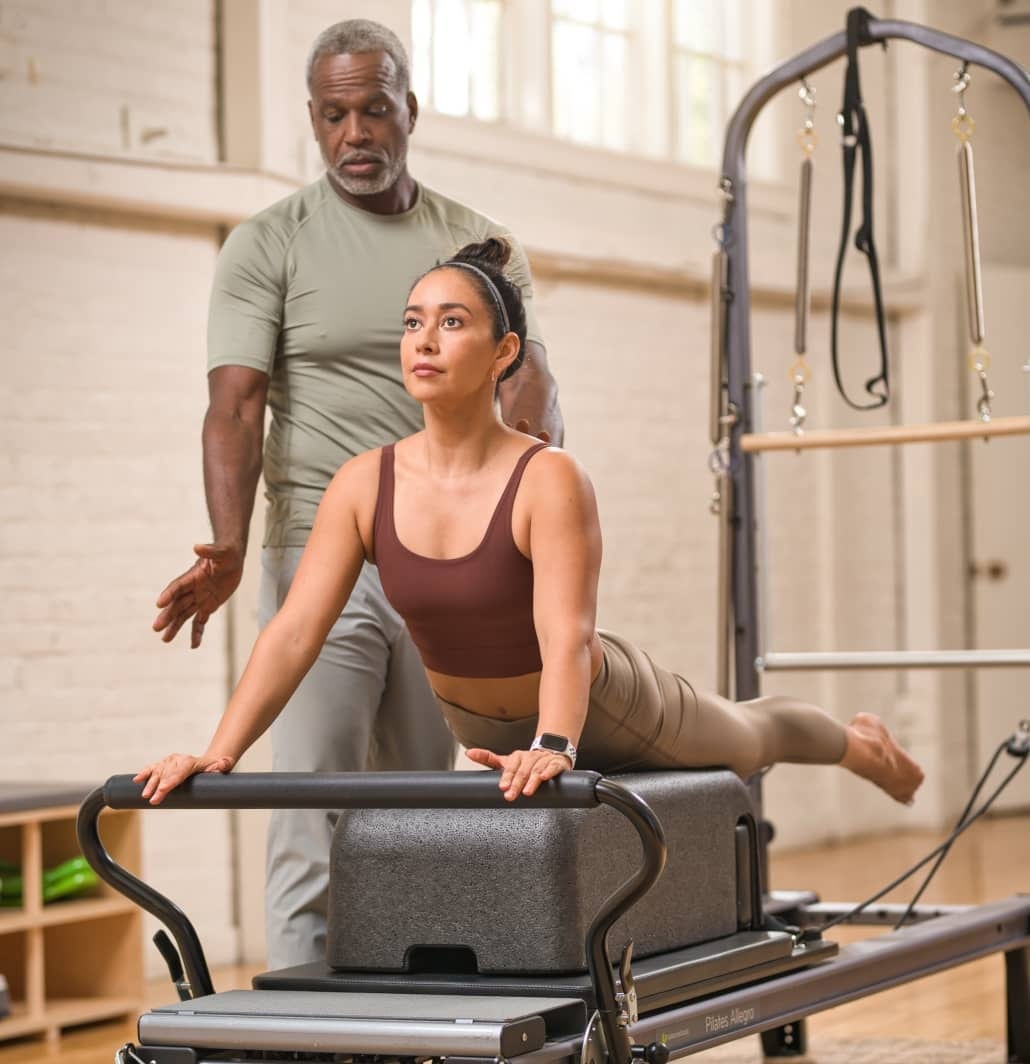
Breath-holding in Pilates
Breath-holding during effort is a reflex that raises intra-abdominal pressure to stabilize the trunk. In Pilates it is counterproductive because it reduces
-
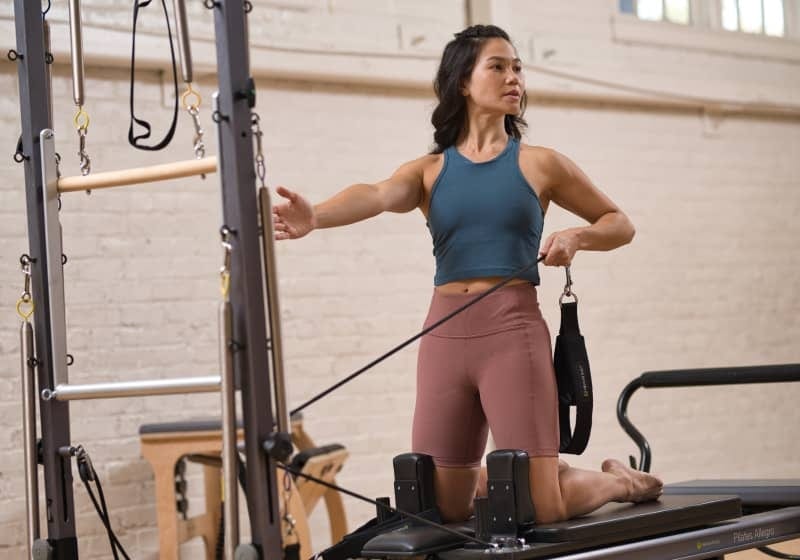
Unilateral work and asymmetry
Nearly everyone has a stronger side, and bilateral exercise lets it compensate. Unilateral work — single-leg footwork, split-pedal chair work, single-strap
-
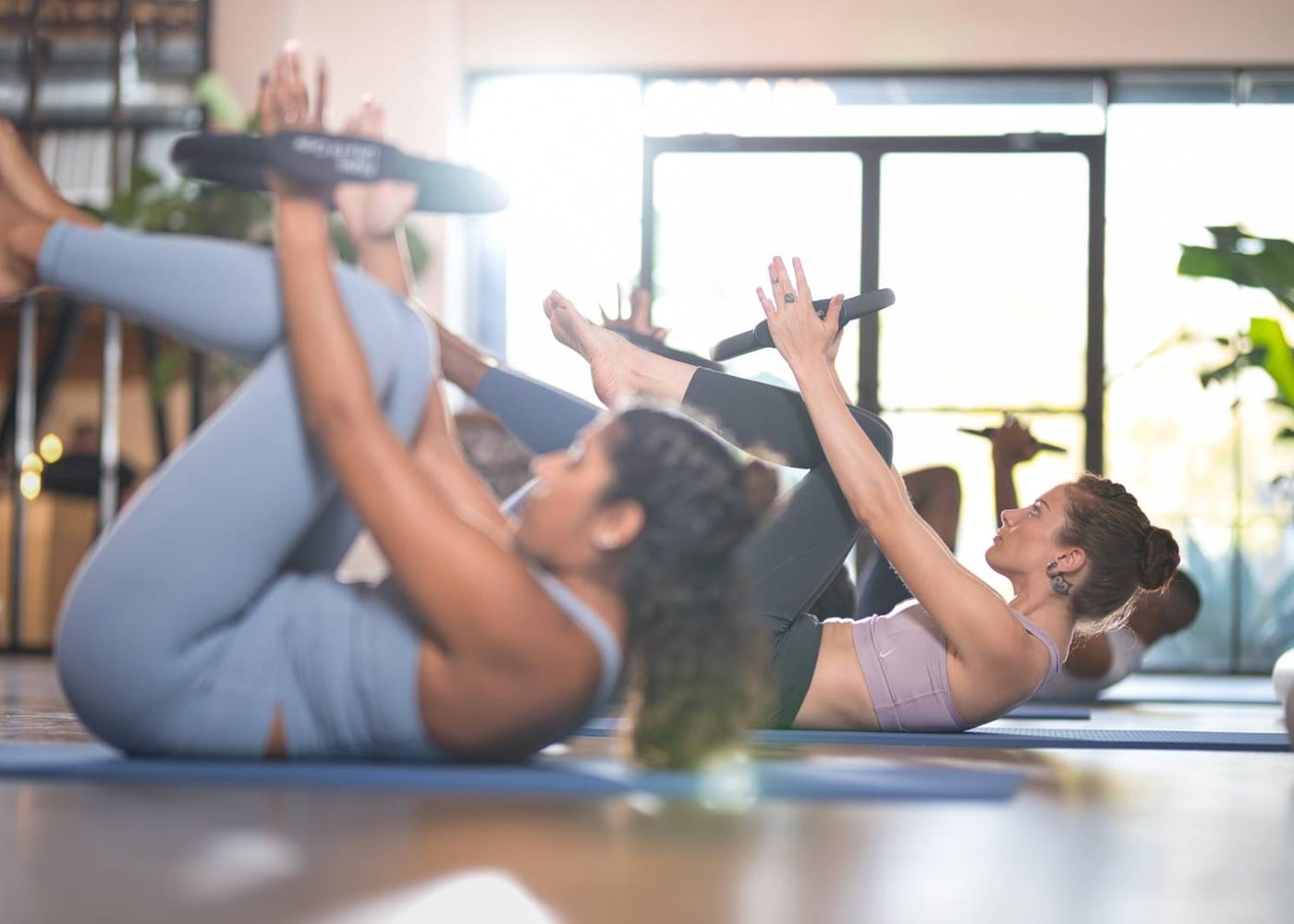
Warm-up versus stretching in Pilates
Warm up with movement through range before a session; save long static holds for afterwards. Static stretching beforehand temporarily reduces force product
-
Reading your body’s signals in Pilates
Muscular effort is diffuse, builds gradually and eases when you stop. Warning signals are sharp, localized to a joint, appear suddenly, or come with numbne
-
Moving from mat to reformer
Mat experience transfers well — the principles, breathing and core concepts are identical. What is new is managing a moving surface and choosing spring loa
-

Decoding Pilates cues
Pilates cues are usually images rather than anatomical instructions. "Navel to spine", "zip up", "wring out the lungs" and "grow taller" all describe an in
-

Advanced reformer exercises
Advanced reformer work is characterized by less support, not more spring: standing and kneeling on the carriage, long-lever positions, and exercises combin
-

Returning to Pilates after a break
After a break of more than a month, restart at roughly half your previous load and range for the first two or three sessions. Motor patterns return quickly
-
Combining Pilates with other training
Schedule Pilates after strength training or on separate days, since it fatigues the stabilisers heavy lifting relies on for joint position. Alongside runni
-

Building a Pilates habit
Consistency beats intensity by a wide margin. Two sessions a week sustained for a year outperforms five a week for two months. Fixed times, a defined minim
-

Pilates for injury prevention
Pilates reduces injury risk mainly through unilateral strength, trunk control and end-range strength — three qualities most training programs leave underde
-
Practicing Pilates alone
Training alone works if you build in feedback: a mirror for alignment, video of yourself for review, a written sequence so you do not drift toward what is
-

How a Pilates session is structured
A Pilates session runs from most supported to least: supine, then seated and kneeling, then standing. Each block also prepares the next, which is why the o
Workouts & exercises
-
A beginner reformer workout
A solid first reformer session is six exercises: footwork, leg circles, short spine, arm pulls sitting, knee stretches and long stretch. Together they cove
-
Reformer exercises for core strength
The most effective reformer core exercises are the ones where the carriage tries to move and you resist it: long stretch, knee stretches, short spine, coor
-
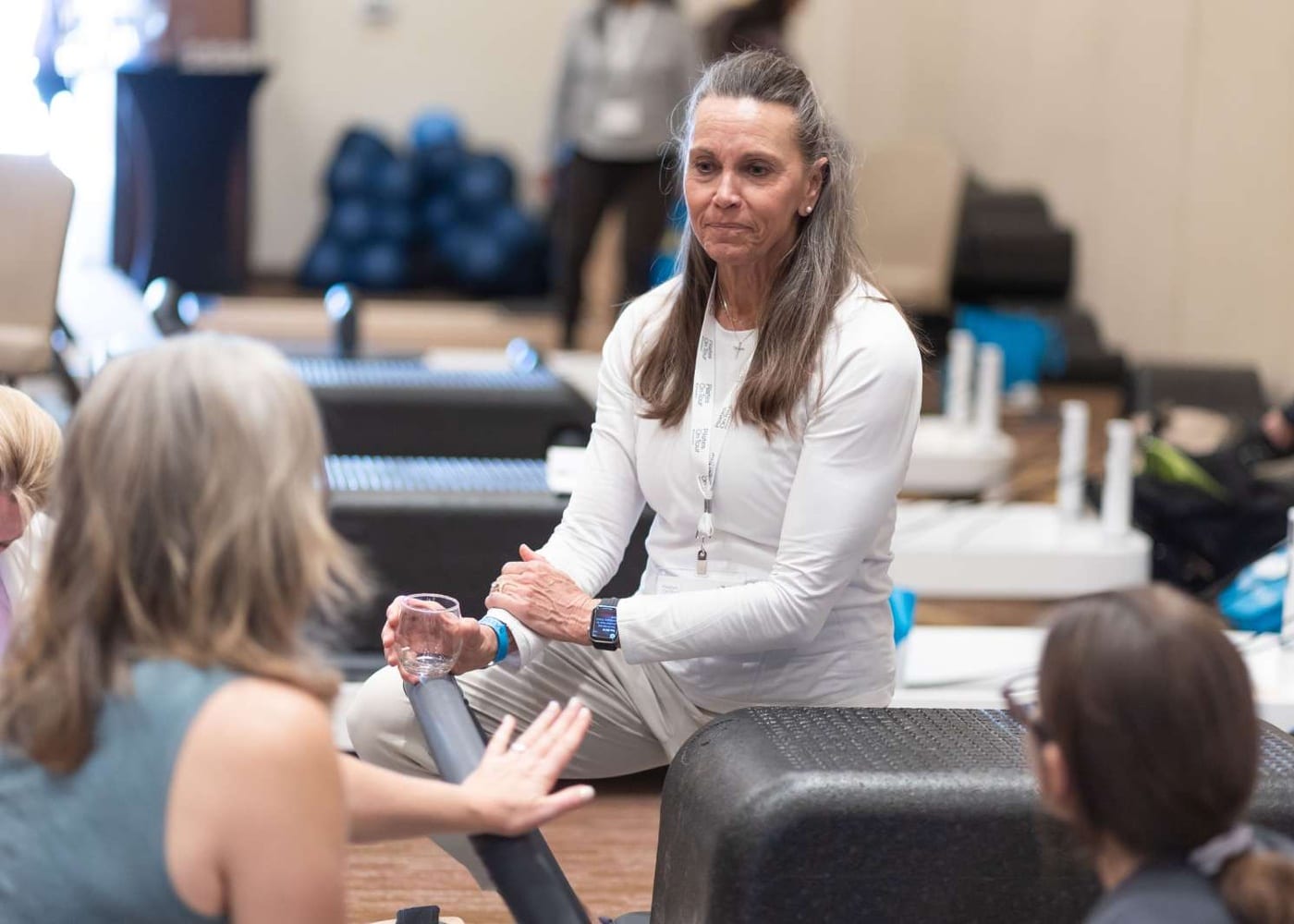
Reformer exercises for back strength
Back strength on the reformer comes from pulling and extension work: pulling straps, T-pull, breaststroke on the long box, and down stretch. These load the
-

Reformer leg and glute workout
Effective reformer leg work combines bilateral pushing (footwork), unilateral loading (single-leg footwork and lunges), and hip extension against straps (b
-
Reformer arm and shoulder workout
Reformer upper-body work uses the straps for pulling and pressing from seated, supine and kneeling positions. Its advantage over dumbbells is scapular cont
-

Reformer workout for posture
Posture improves from three things the reformer does well: mobilizing the thoracic spine, strengthening the mid-back, and teaching the ribcage to stack ove
-

Jumpboard cardio workout
A jumpboard turns the reformer into low-impact cardio. A 20-minute session of interval jumping — 45 seconds of work to 30 seconds of rest across six to eig
-
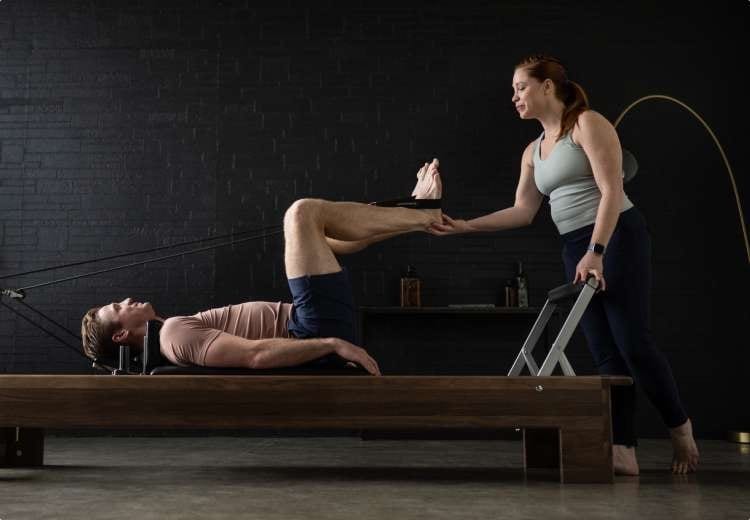
Reformer workout for flexibility
The reformer improves flexibility through loaded stretching — using spring resistance to move into and hold a range under control. This produces more durab
-

15-minute reformer workout
A 15-minute reformer session works if you pick compound exercises and skip the setup changes. Footwork, knee stretches, long stretch, seated arm pulls and
-
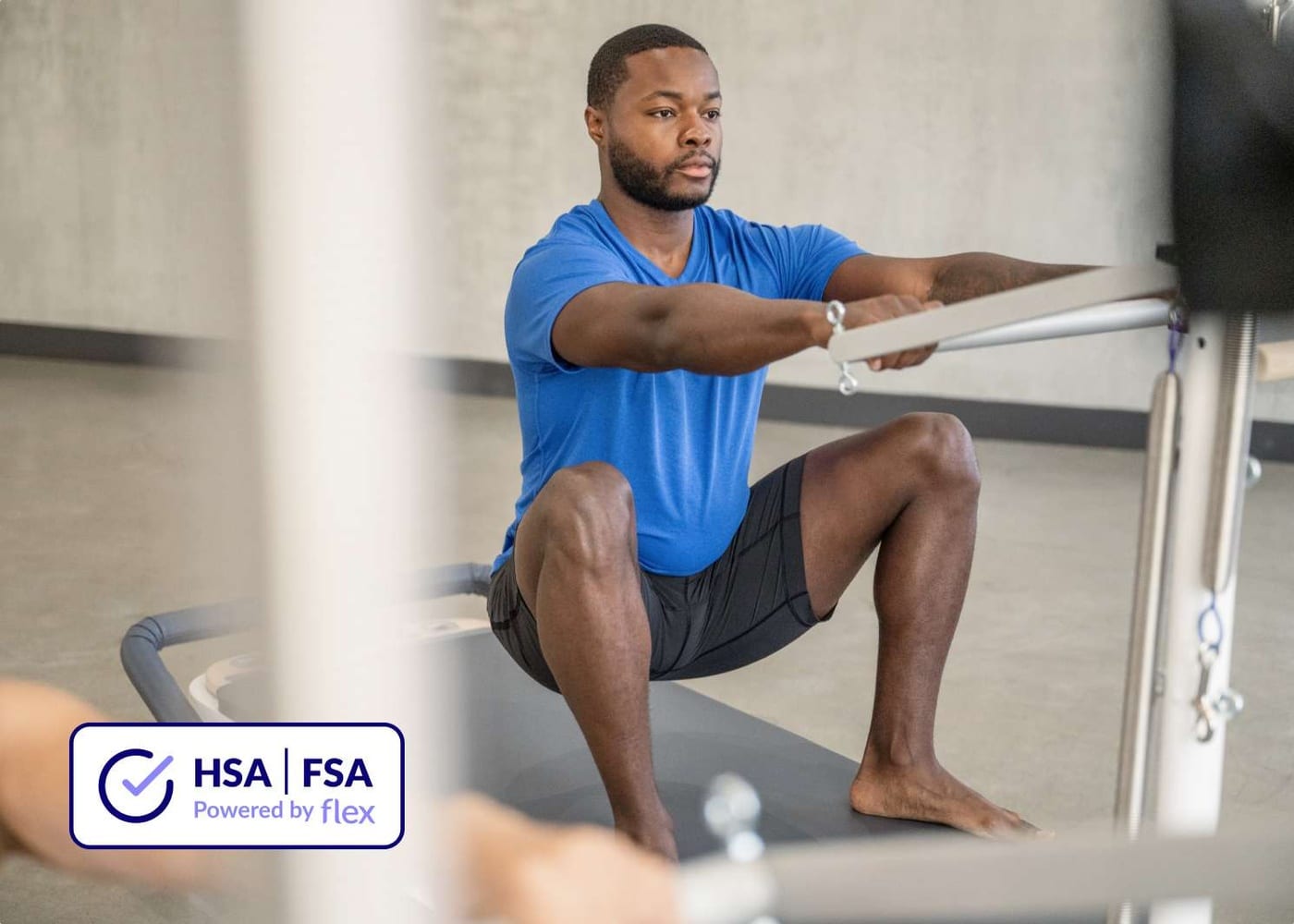
Reformer exercises to approach carefully with an injury
With a current injury, the exercises to approach carefully are loaded spinal flexion (short spine, teaser), overhead work with an unstable shoulder, deep k
-

Reformer warm-up routine
A good reformer warm-up takes five to eight minutes: breathing and pelvic tilts on the carriage, footwork through all foot positions, bridging, and leg cir
-
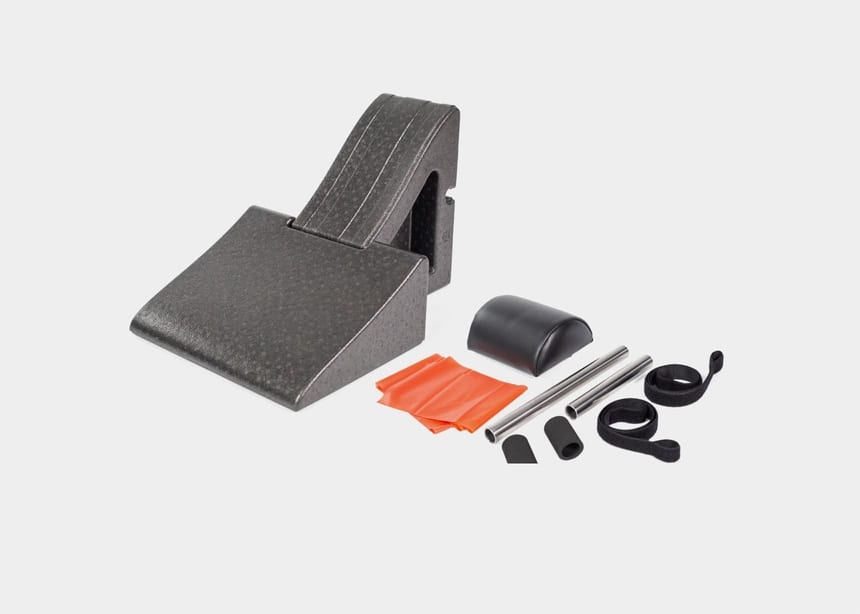
Pilates mat exercises with no equipment
The classical mat sequence needs nothing but floor space. The hundred, roll-up, single and double leg stretch, spine stretch forward, saw, and swan cover f
-
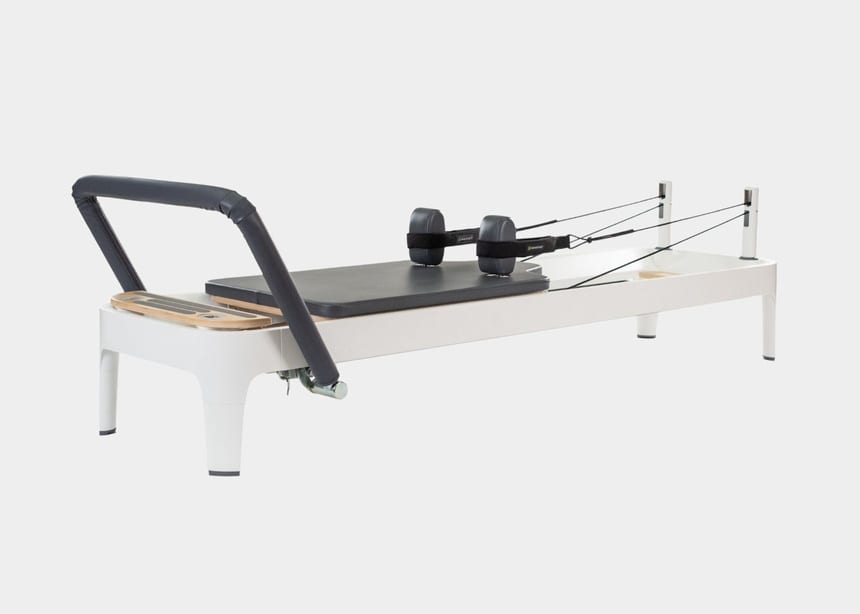
Essential Pilates chair exercises
Core chair exercises are footwork on the pedal, pull-up, going up front, mountain climber, and the press-down series. The chair’s small base means every on
-
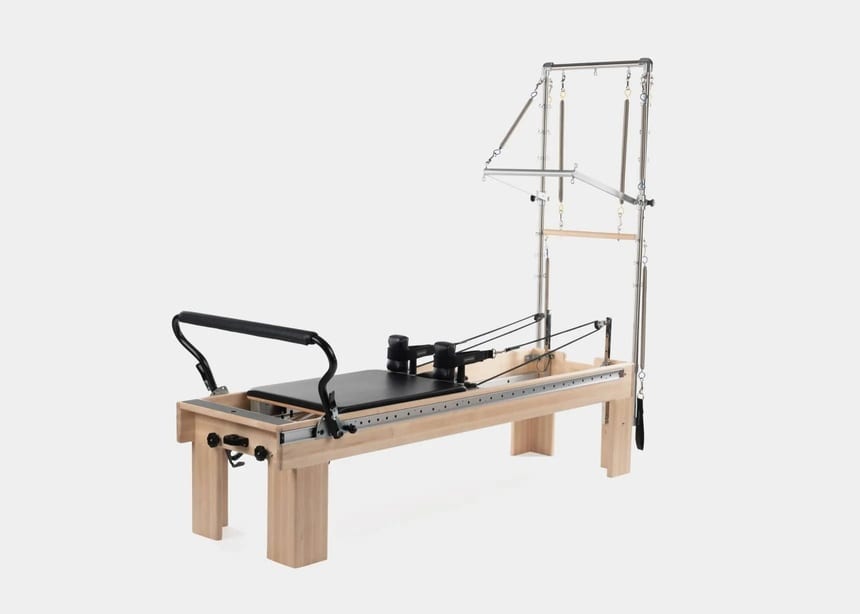
Weekly reformer workout plan
A sustainable weekly plan is three reformer sessions with different emphases — full body, lower body and core, upper body and posture — plus one mat sessio
-
Reformer exercises for hips
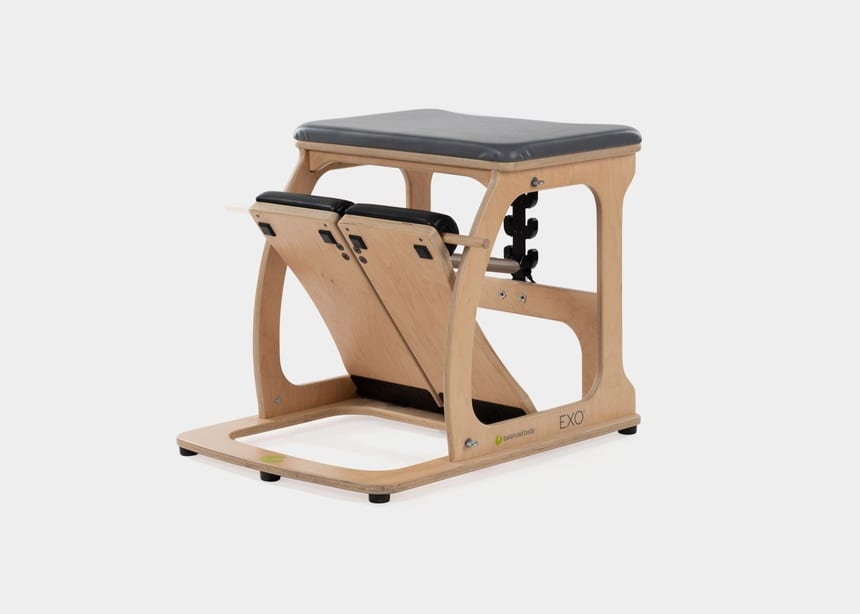
The reformer addresses hips in three ways: strap work for controlled range in all directions, side-lying series for the abductors and rotators, and footwor
-
Reformer exercises for runners
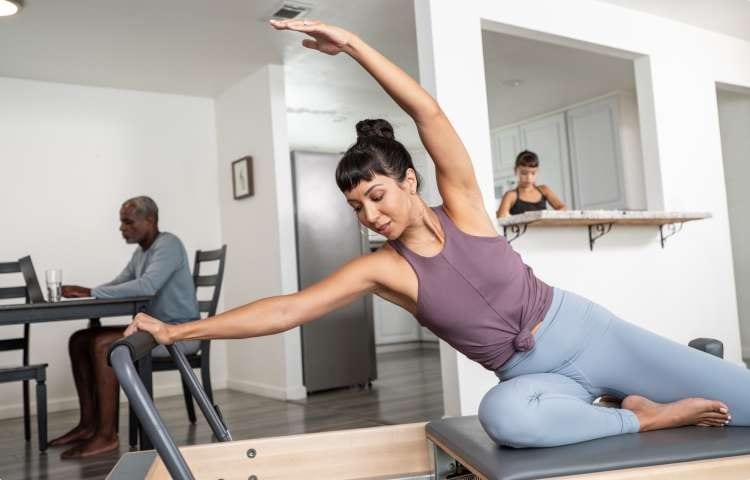
Runners benefit most from single-leg loading, hip stability and thoracic rotation on the reformer. Single-leg footwork, side-lying series, and rotation wor
-
Reformer exercises for swimmers
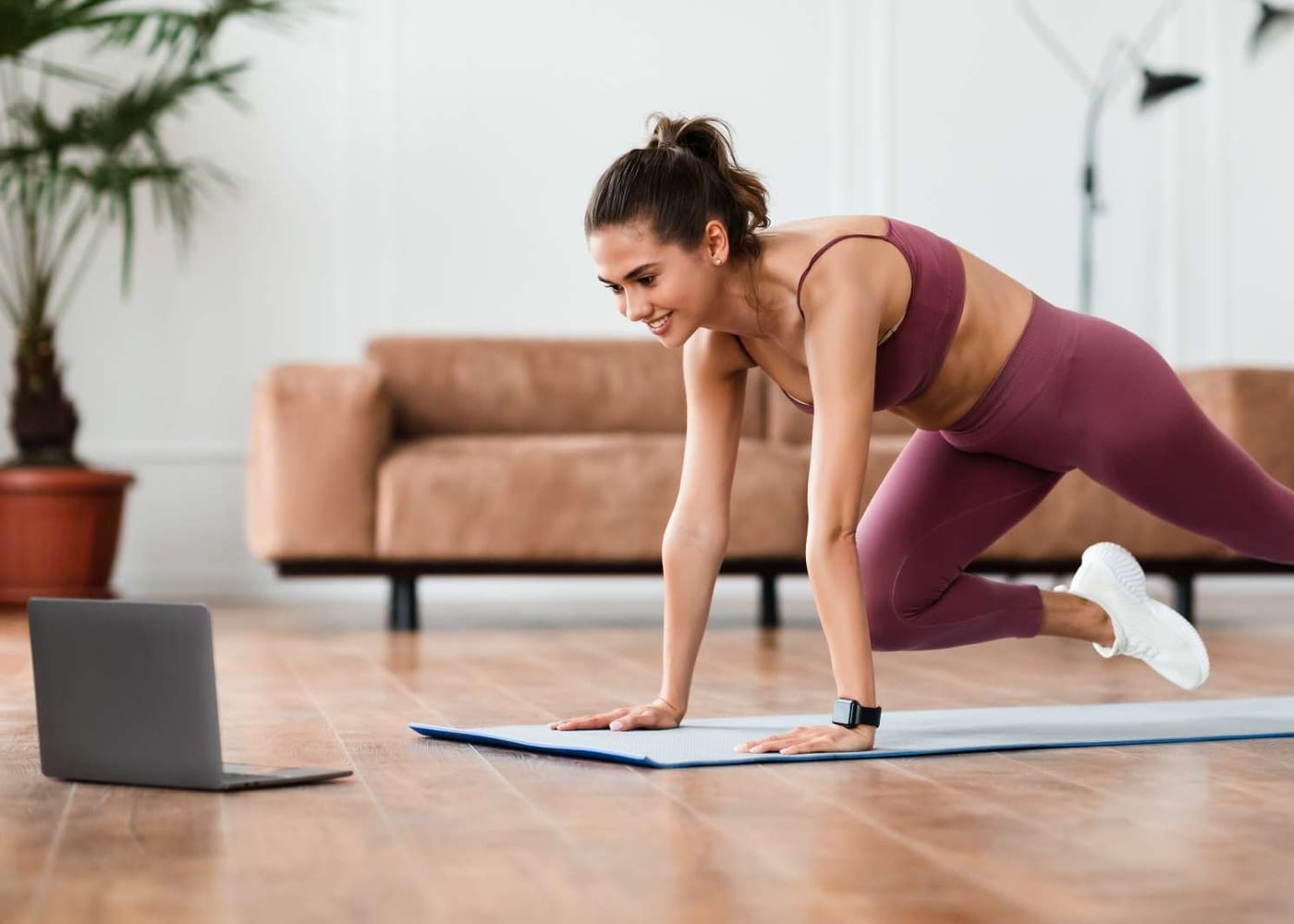
Swimmers benefit from thoracic extension, scapular control and hip extension work on the reformer. The overhead position of every stroke demands thoracic m
-
Reformer exercises for golfers
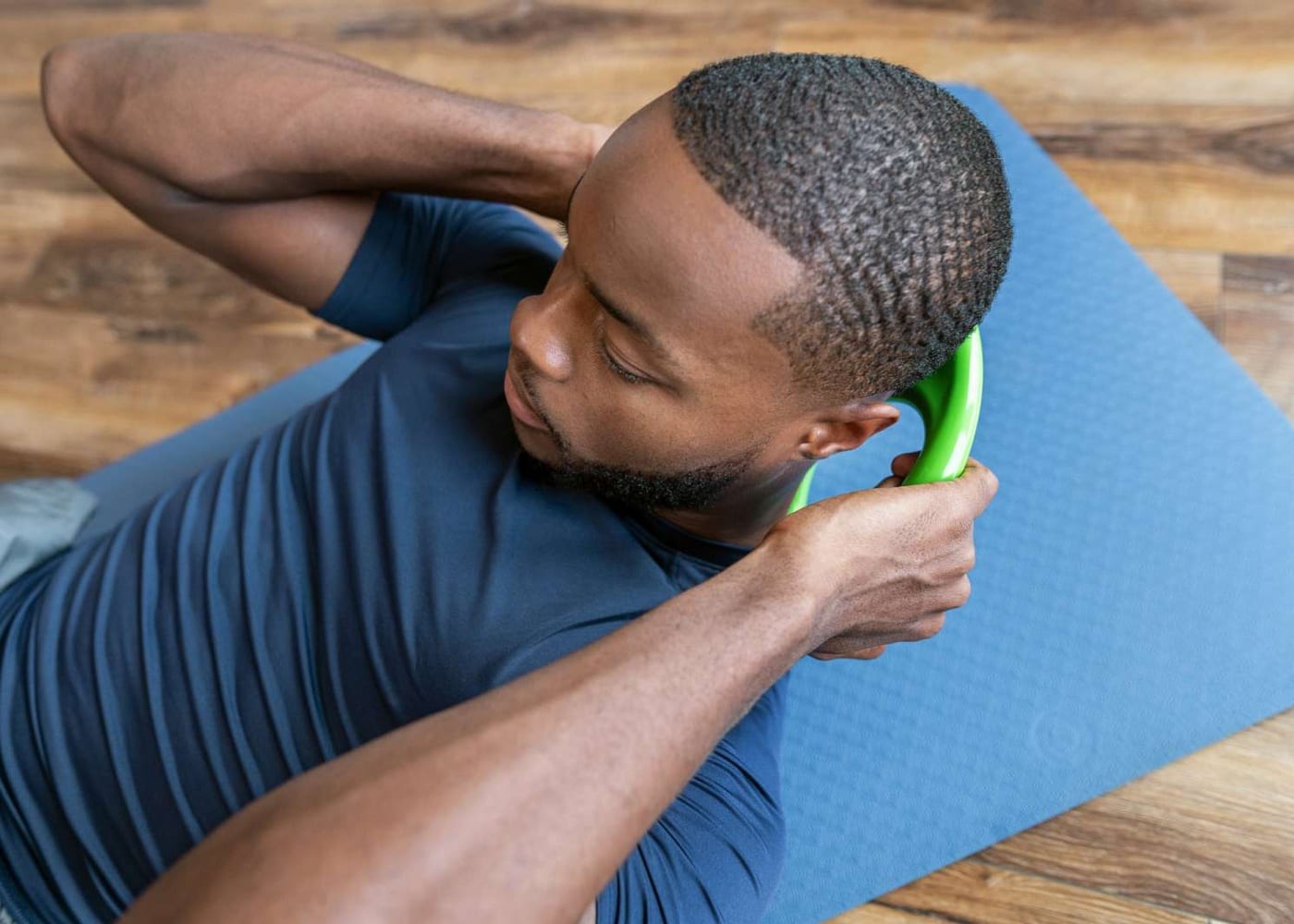
Golfers need thoracic rotation, hip separation and anti-rotation strength. The reformer trains all three — rotation work in the straps, single-leg loading
-
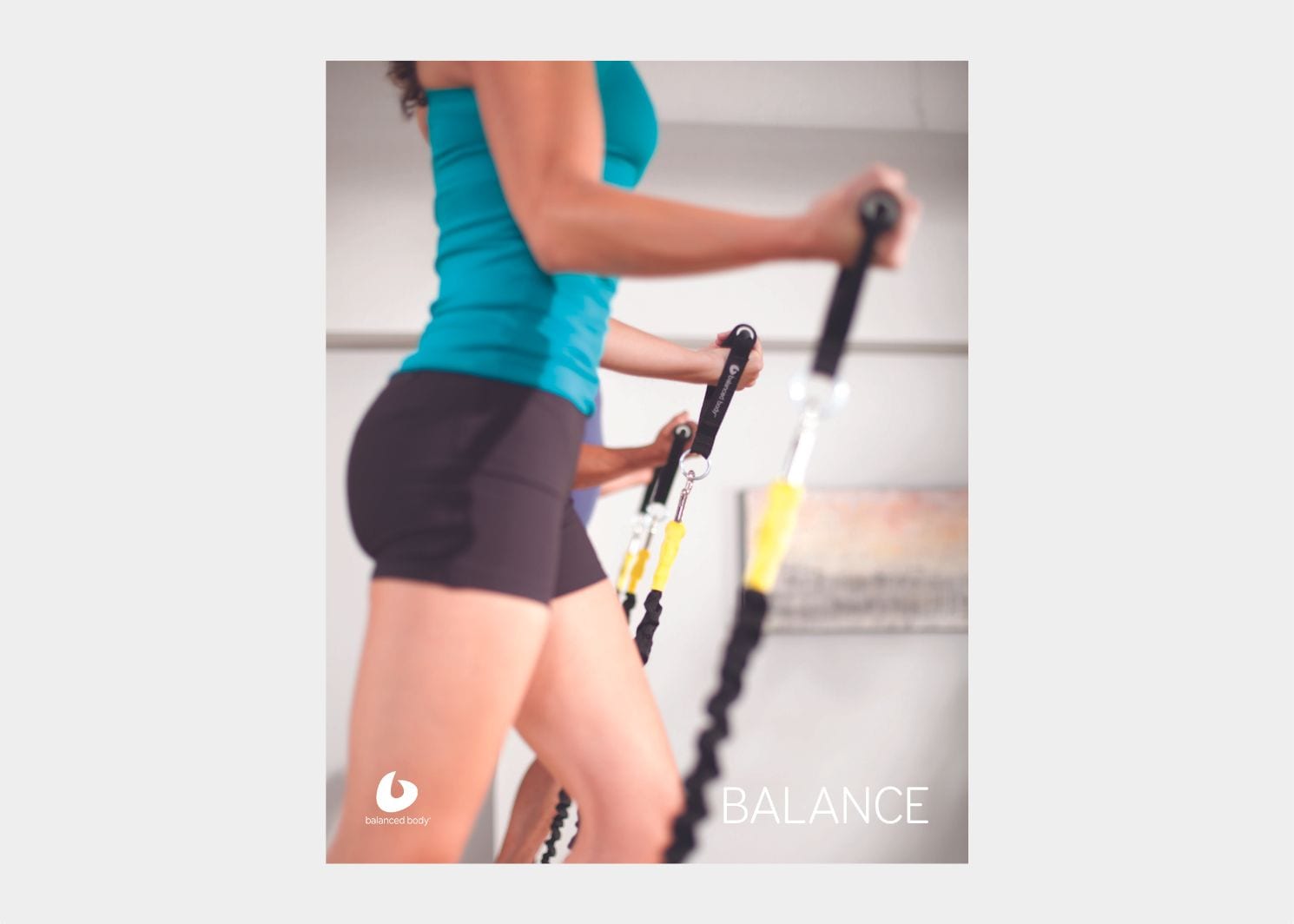
Reformer cool-down stretches
A five-minute cool-down on the reformer covers the areas the session loaded most: hamstrings and hips in the straps, spine over the arc or in a seated forw
-
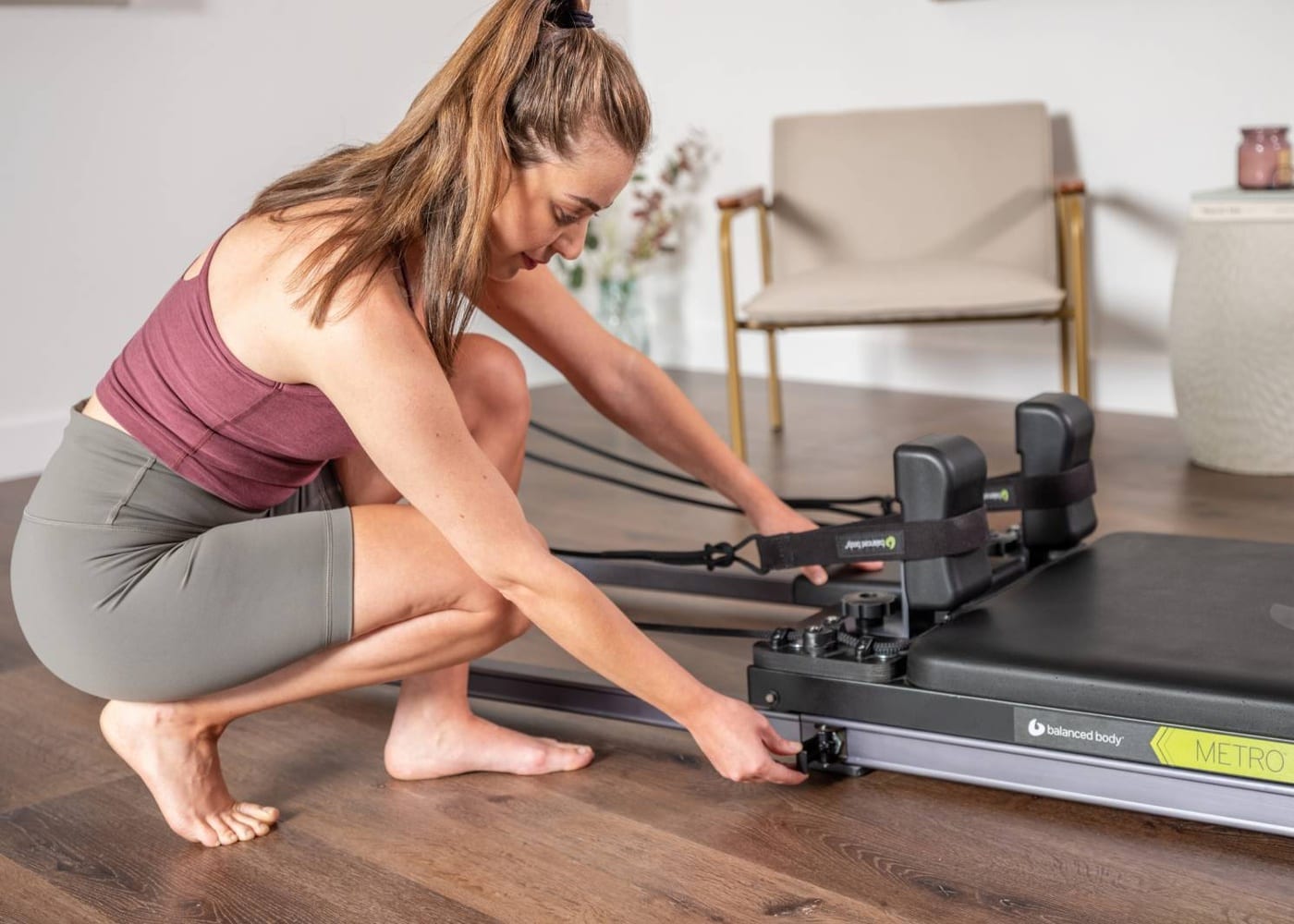
Reformer workout for beginners over 50
Starting the reformer after 50 works well because the springs assist. Begin with footwork, supported bridging, seated arm work and side-lying leg series —
-
Full-body reformer workout
A complete full-body reformer session runs about 50 minutes: footwork, supine strap work, core series, long box upper body, standing or lunge work, and a s
Who it’s for
-
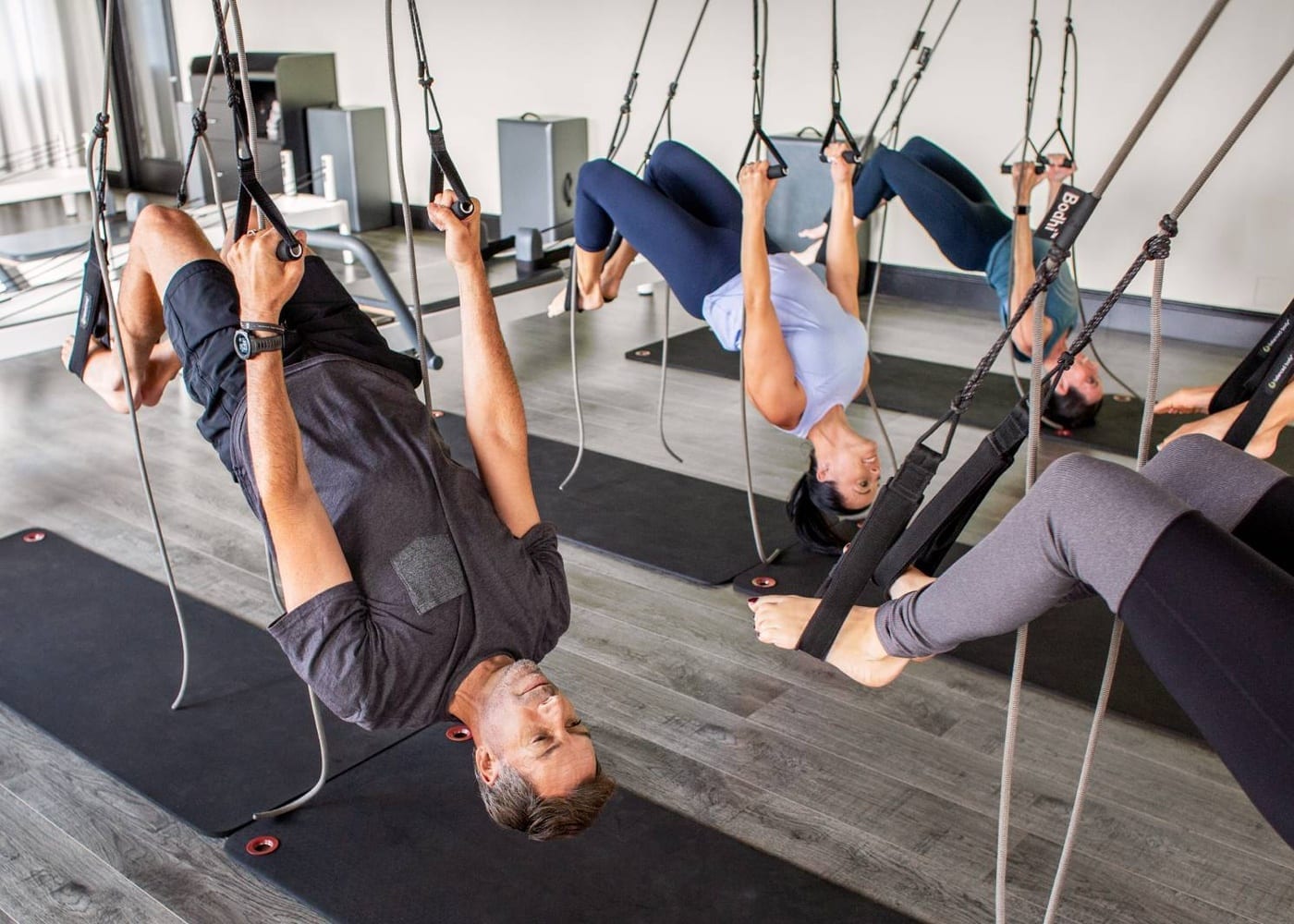
Pilates for seniors
Pilates suits older adults well because load is graded and positions are supported. The reformer is often the better entry point than mat work, since the c
-

Pilates for back pain
Pilates has reasonable evidence for reducing chronic non-specific low back pain and improving function. It works by building trunk control and graded loadi
-
Prenatal Pilates
Pilates is generally safe through pregnancy with modification. The main changes are avoiding prolonged supine positions after the first trimester, avoiding
-
Postnatal Pilates
Return to Pilates after birth in stages: breathing and pelvic floor work from a few days postpartum, gentle stability work from around six weeks with clear
-
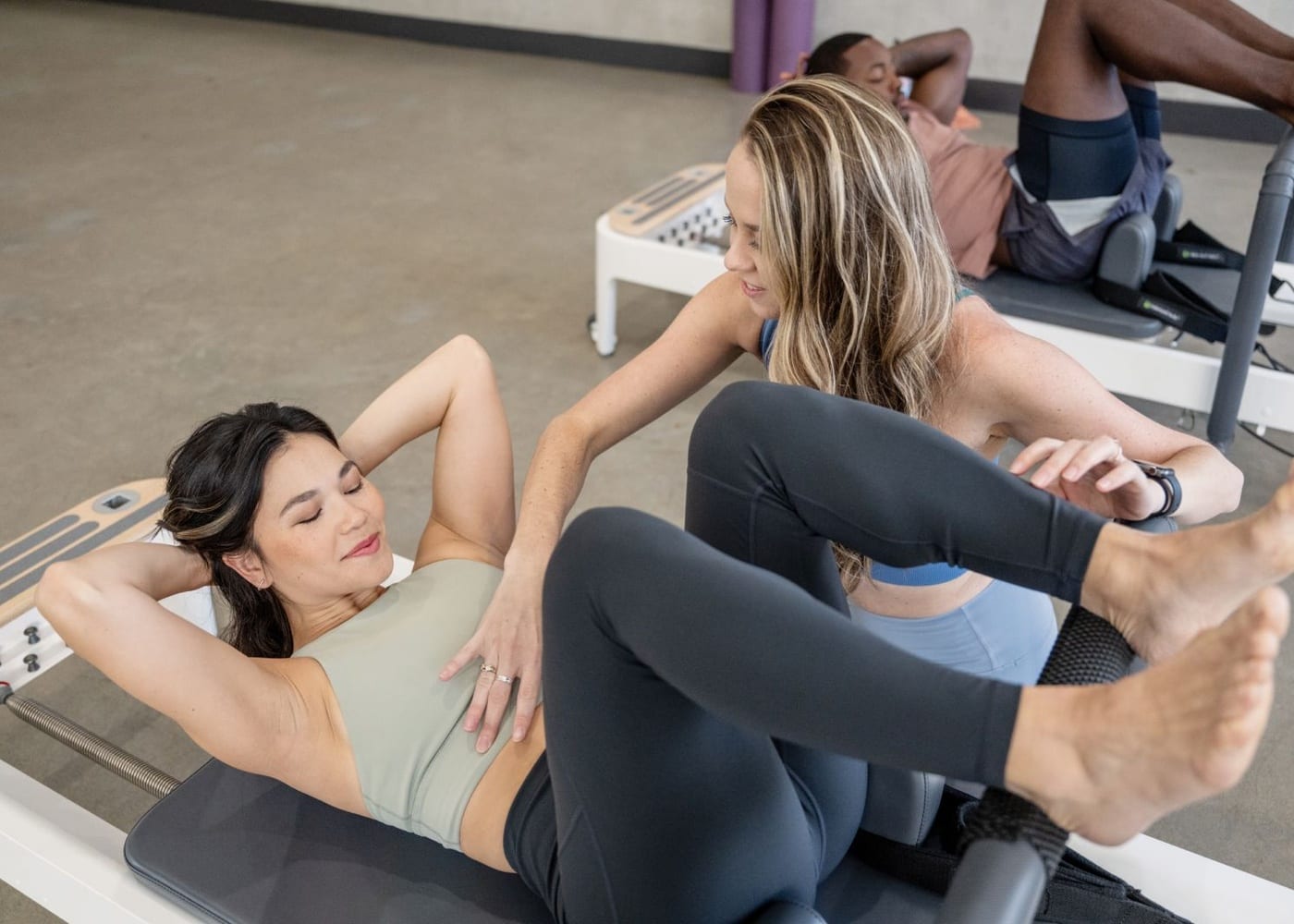
Pilates for knee pain
Pilates suits knee rehabilitation because the reformer loads the leg in a controlled range without body weight through the joint. Footwork with limited dep
-
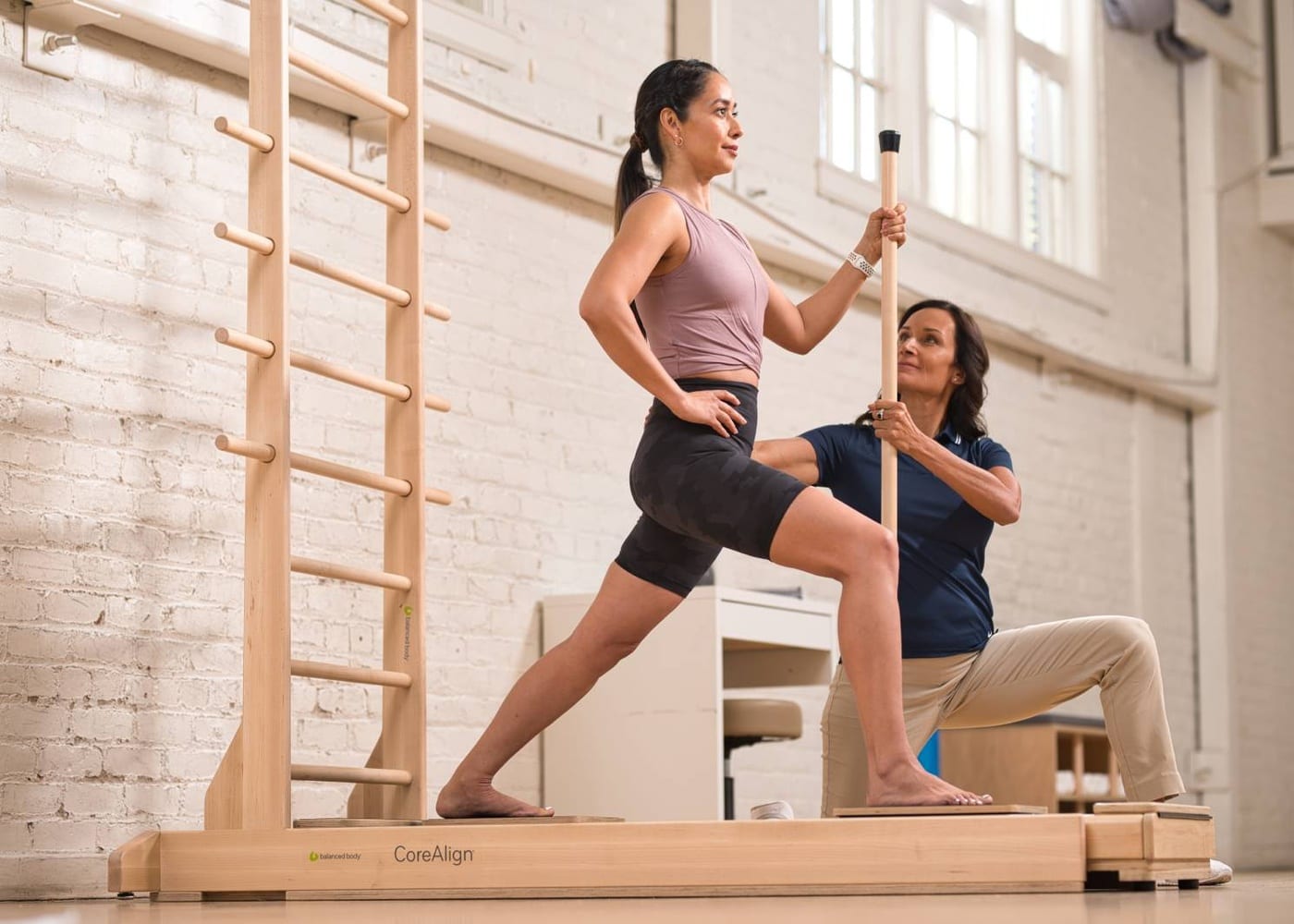
Pilates for scoliosis
Pilates does not correct a structural scoliosis curve. What it can do is improve muscular balance around the curve, build trunk strength, reduce associated
-
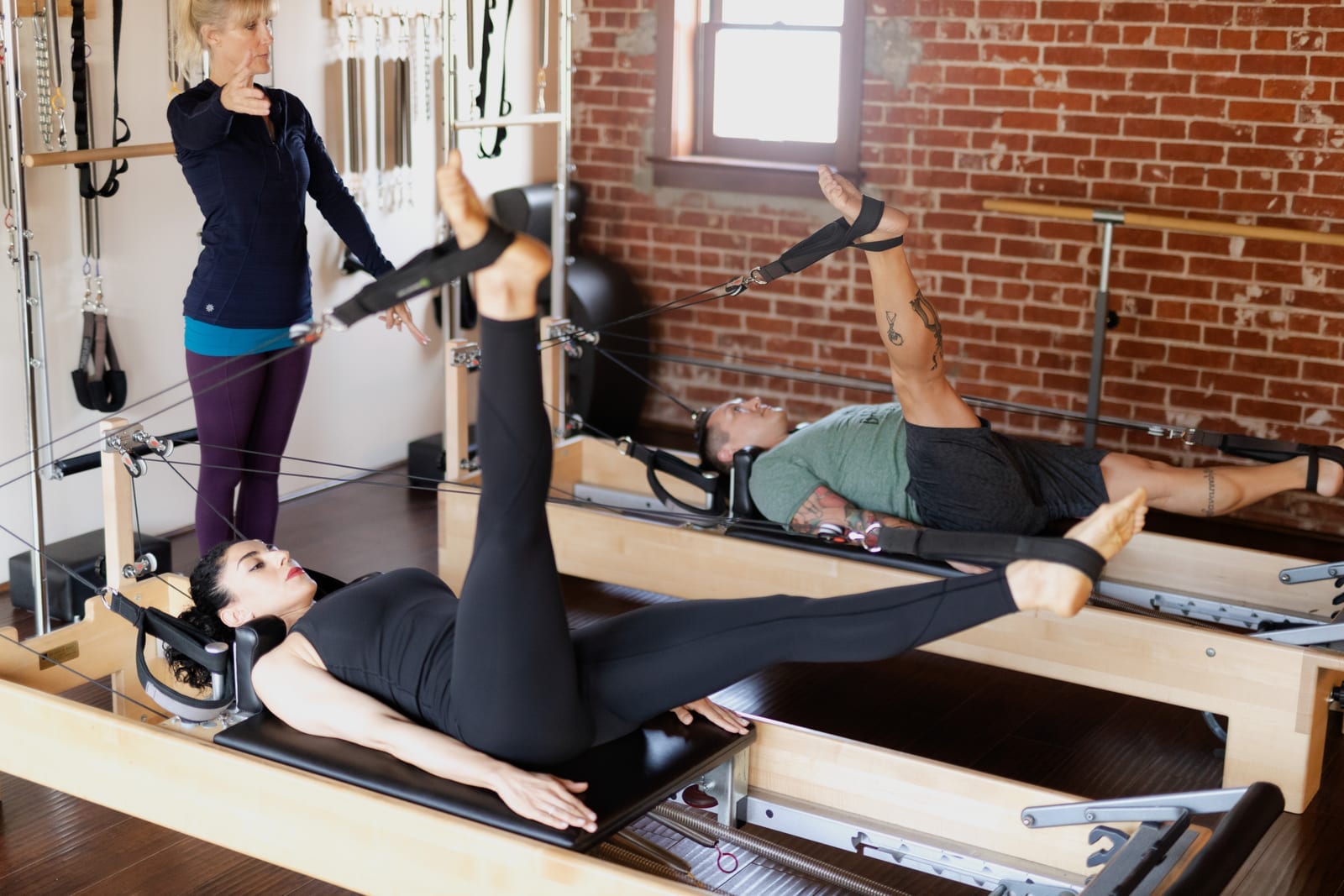
Pilates for athletes
For athletes, Pilates is a supplement rather than a primary training method. Its value is in trunk control, single-leg stability, and mobility — qualities
-
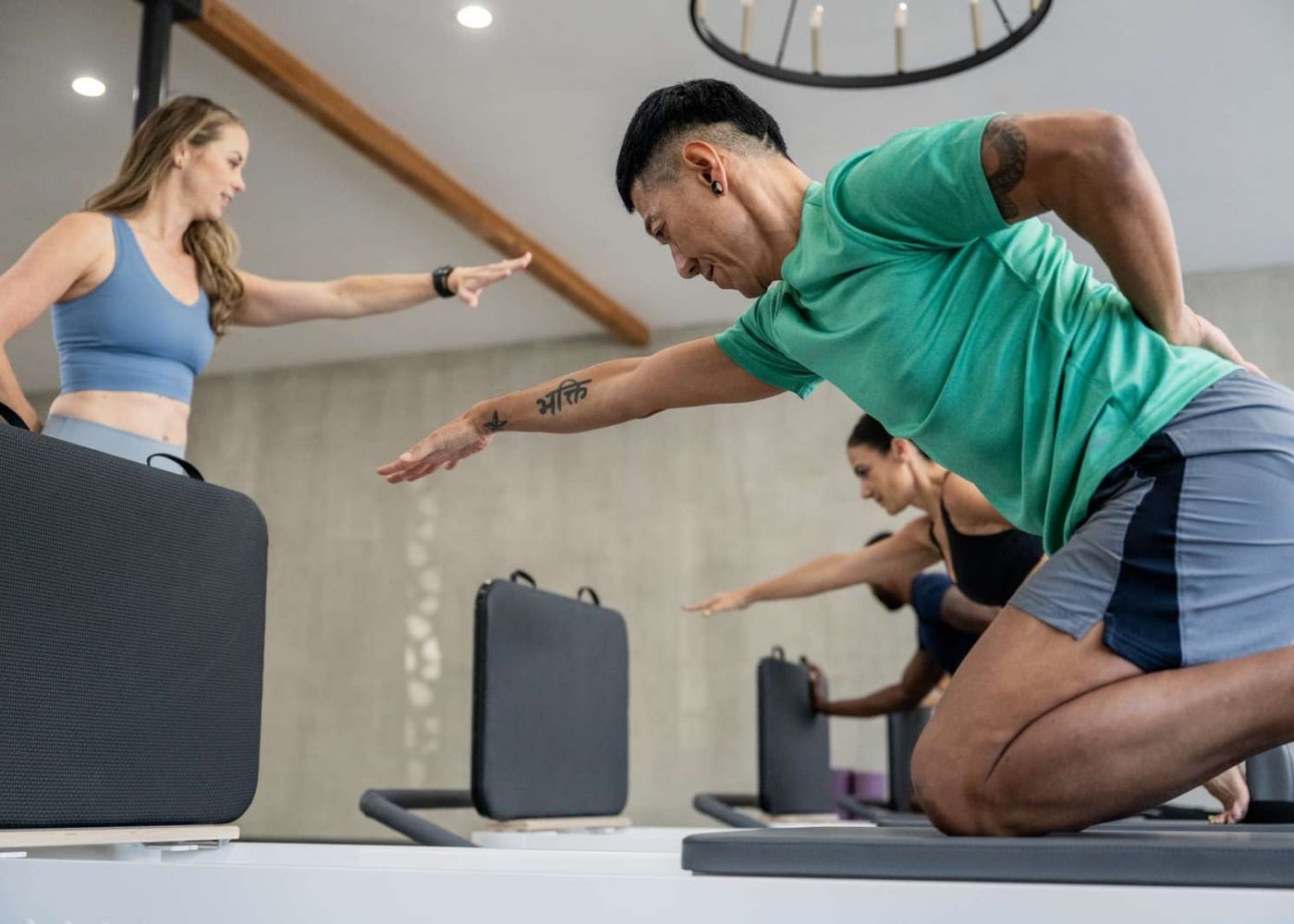
Pilates for desk workers
Sitting produces three predictable adaptations: shortened hip flexors, a stiff thoracic spine and a weak mid-back. Pilates addresses all three directly, an
-
Pilates for arthritis
Pilates suits arthritis because load is graded, positions are supported and joints move through controlled ranges without impact. The reformer is particula
-
Pilates for osteoporosis
With osteoporosis, loaded spinal flexion is contraindicated — roll-ups, teaser, short spine and roll-over all carry vertebral compression risk. The program
-
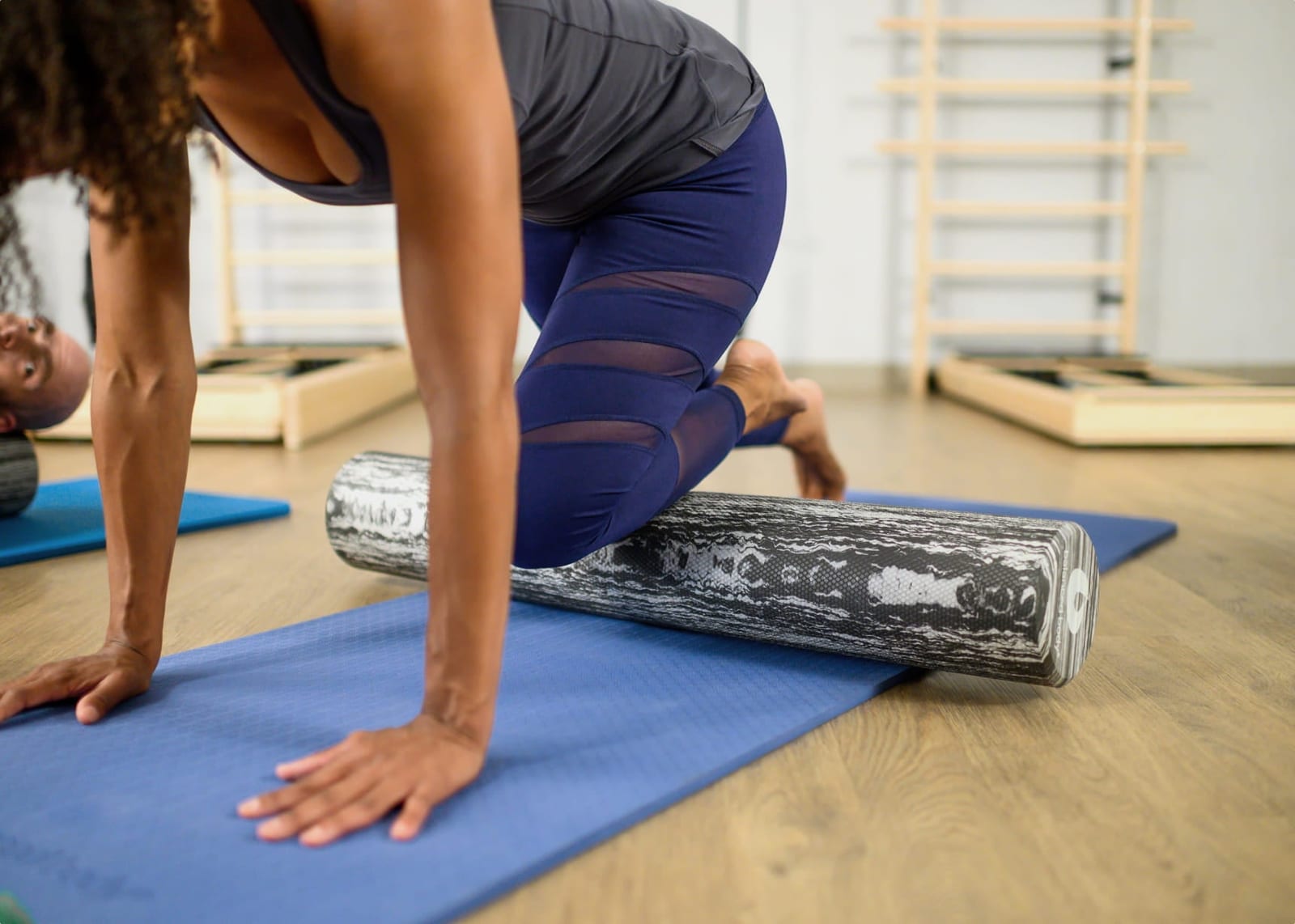
Pilates for hypermobility
Hypermobile people need control and strength, not more range. Pilates suits this well if the program avoids end-range positions, emphasizes working within
-
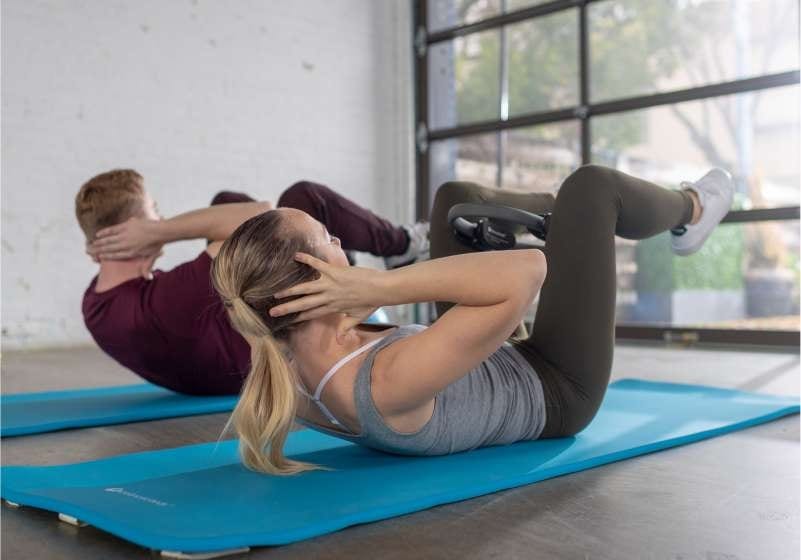
Pilates for teenagers
Pilates is appropriate for teenagers and useful for young athletes, particularly during growth spurts when coordination and flexibility change rapidly. The
-
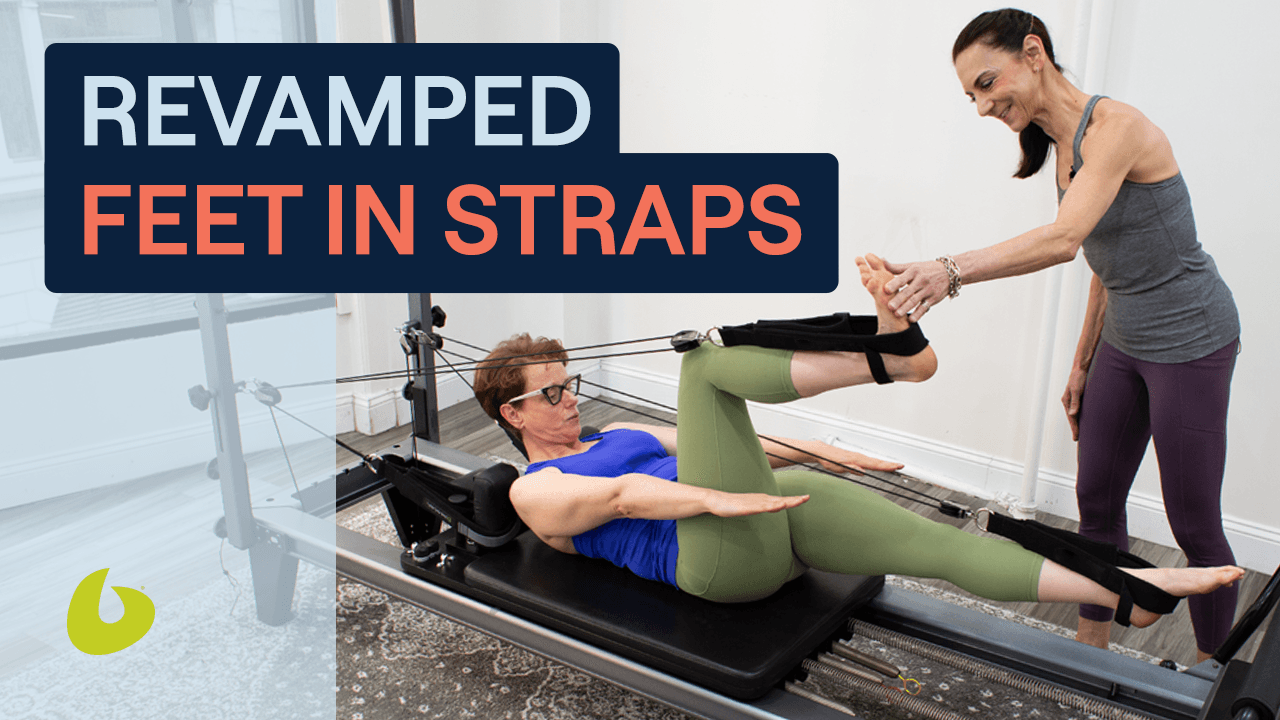
Pilates for men
Pilates addresses what most male strength programs leave out: hip and thoracic mobility, unilateral control, and trunk stability outside the sagittal plane
-
Pilates for dancers
Pilates has been part of dance conditioning since its origins. For dancers it provides controlled strength through large ranges, addresses the turnout and
-
Pilates after hip replacement
Pilates features in many hip replacement rehabilitation protocols because load is graded and positions are supported. The critical constraint is hip precau
-
Pilates for multiple sclerosis
Exercise is recommended in MS management, and Pilates suits it well: supported positions accommodate variable balance, load is graded for variable strength
-
Pilates for weight loss
Pilates burns roughly 175–250 calories an hour for a typical session — less than running or cycling. It is not an efficient weight-loss tool on its own. It
-
Pilates for Parkinson’s disease
Exercise is an established part of Parkinson’s management, with evidence for improvements in balance, gait and quality of life. Pilates contributes through
Accessories & props
-
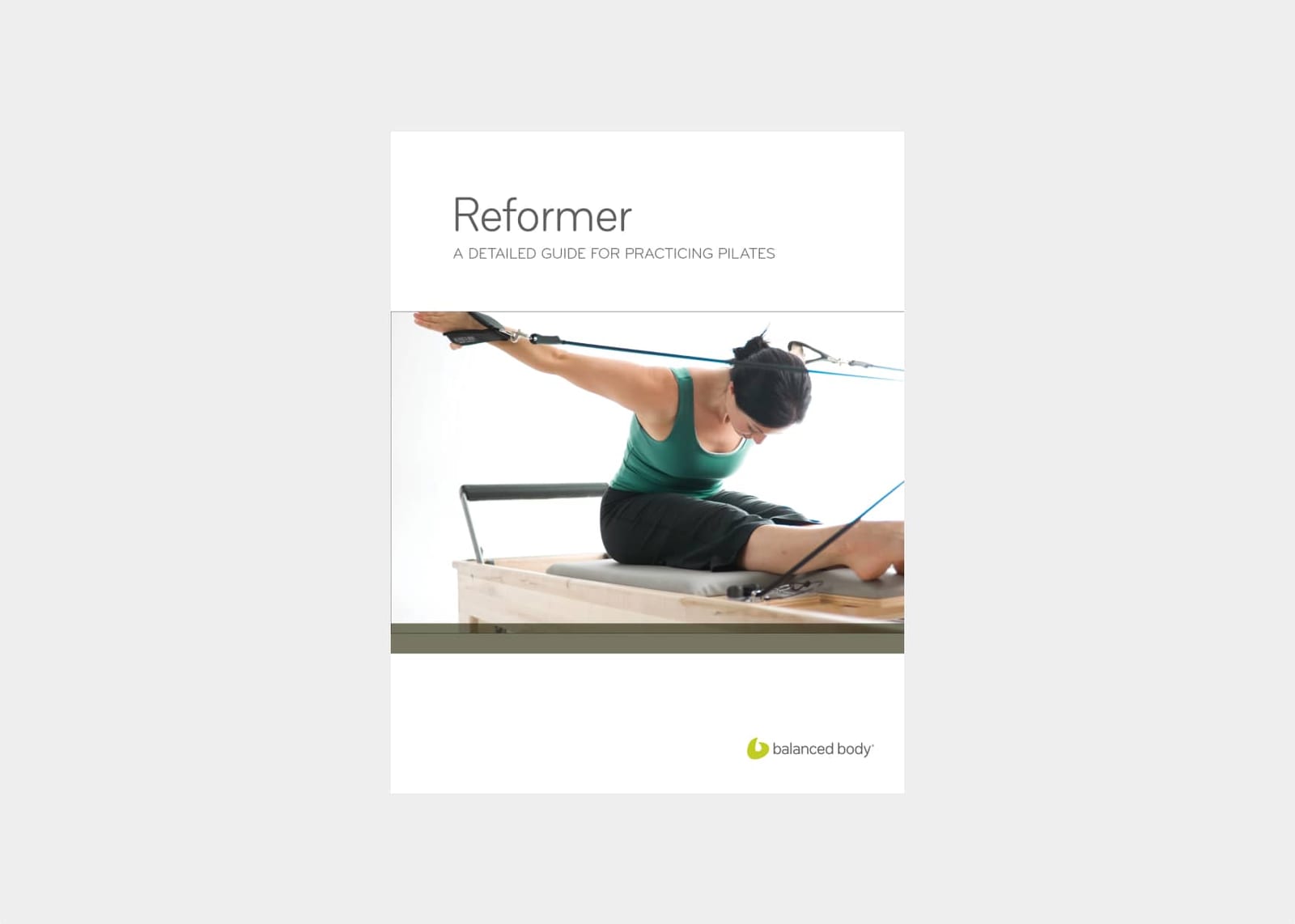
The reformer sitting box
A sitting box sits on the reformer carriage and can be used long (lengthwise) or short (crosswise). It is the single highest-value reformer accessory, addi
-
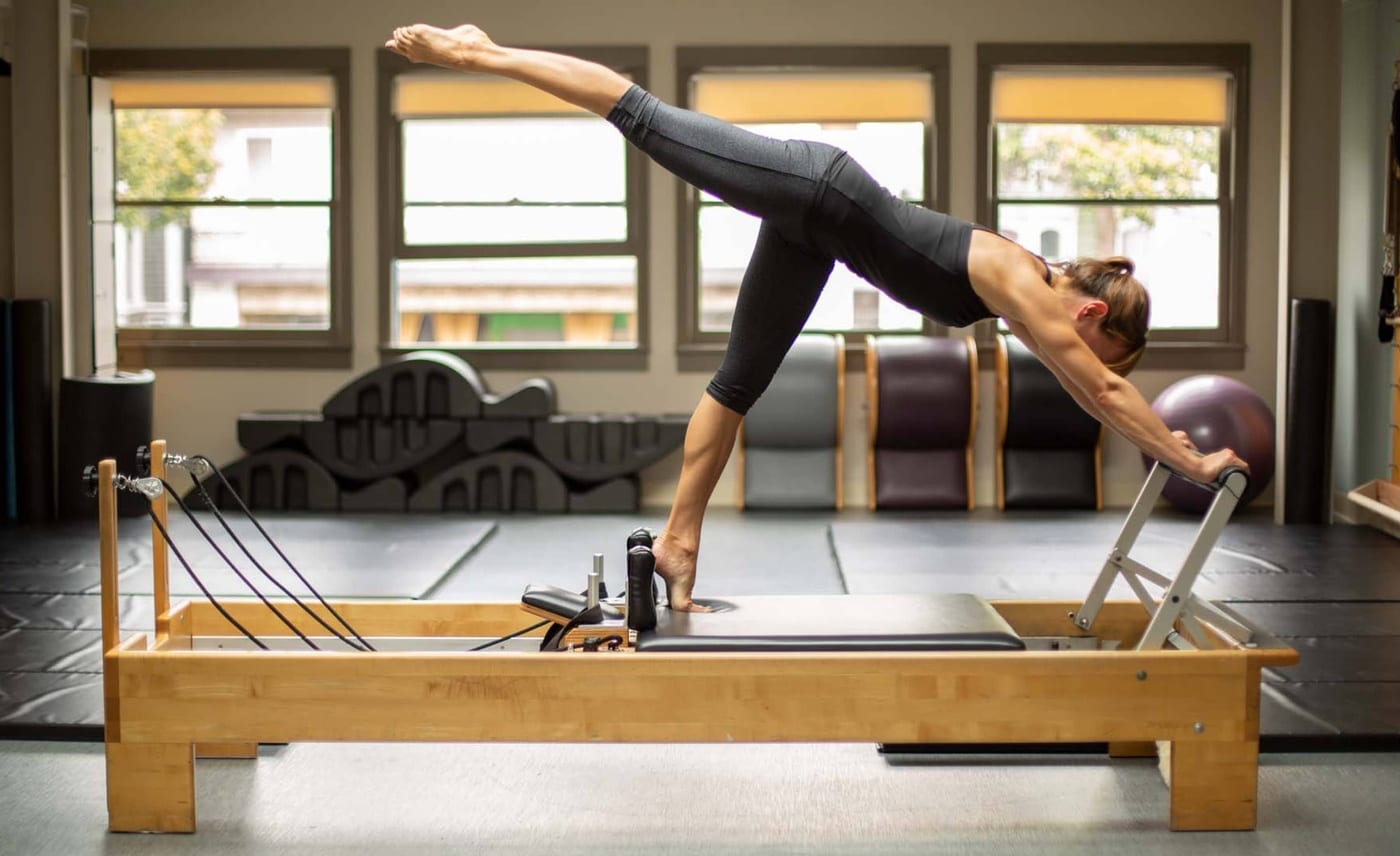
Choosing a reformer jumpboard
A jumpboard replaces the footbar with a flat padded surface for horizontal jumping against spring resistance. Choose one matched to your reformer’s mountin
-
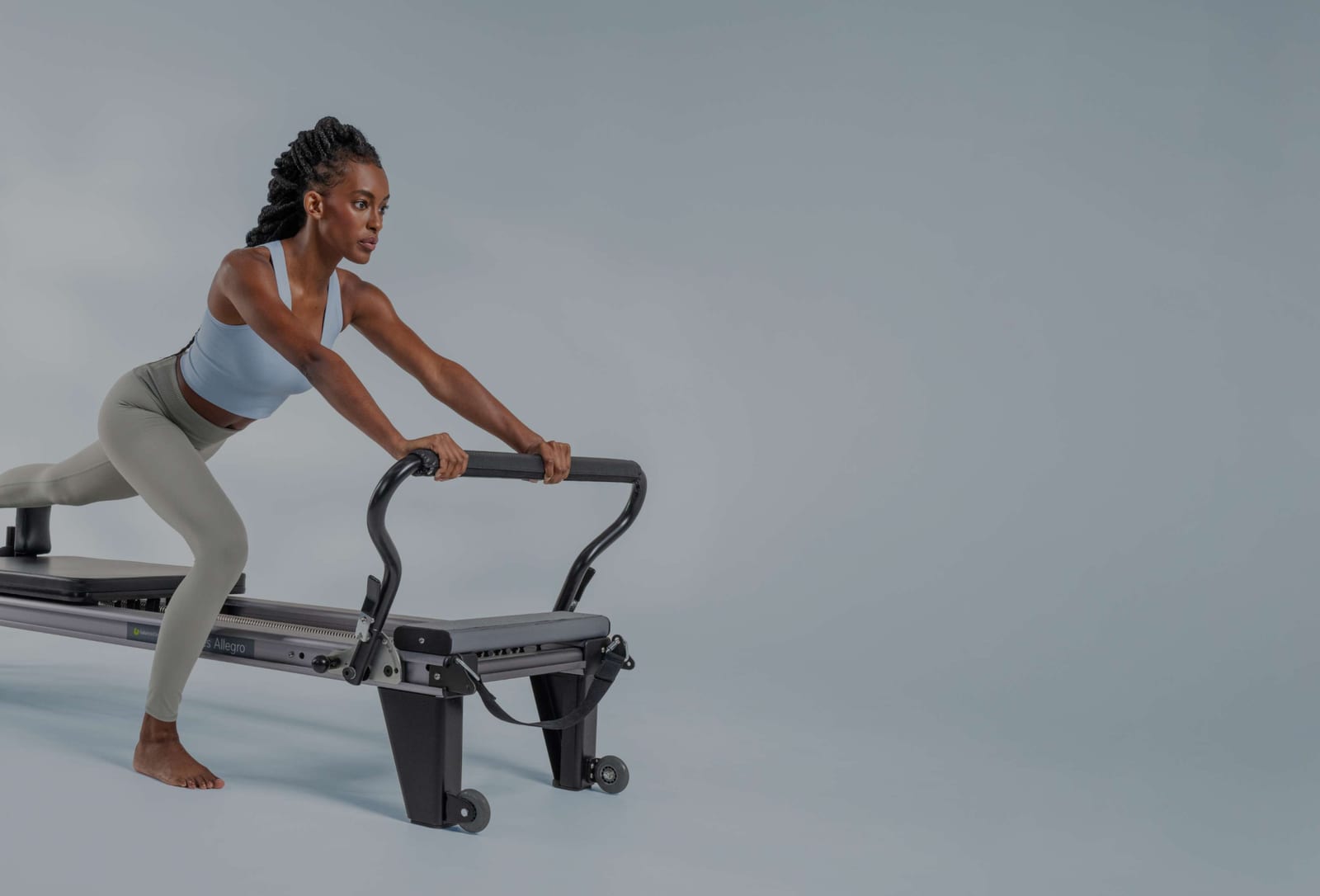
Choosing a Pilates mat
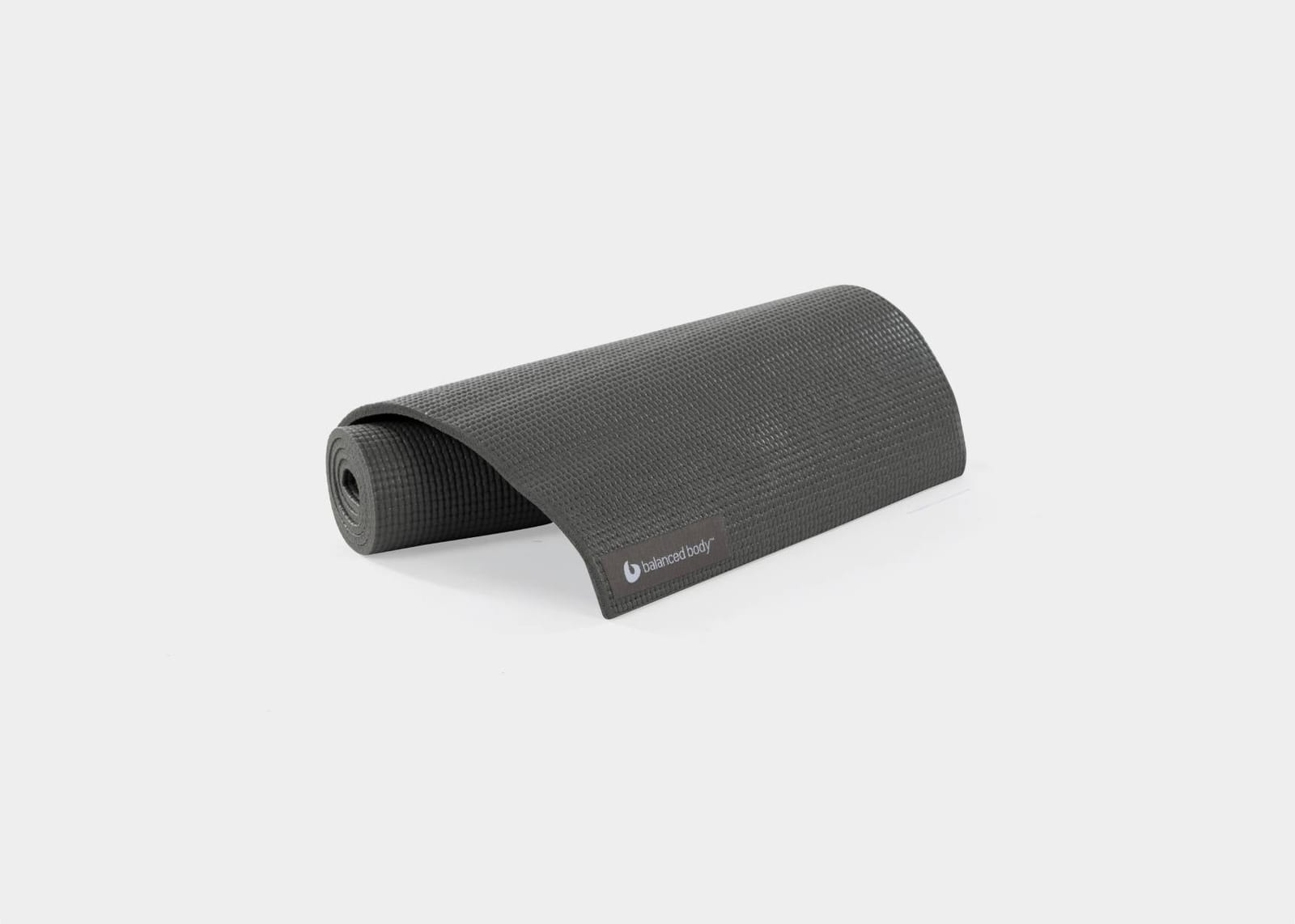
A Pilates mat should be 8–15 mm thick — considerably thicker than a yoga mat — because rolling exercises put body weight through the spine. Closed-cell foa
-
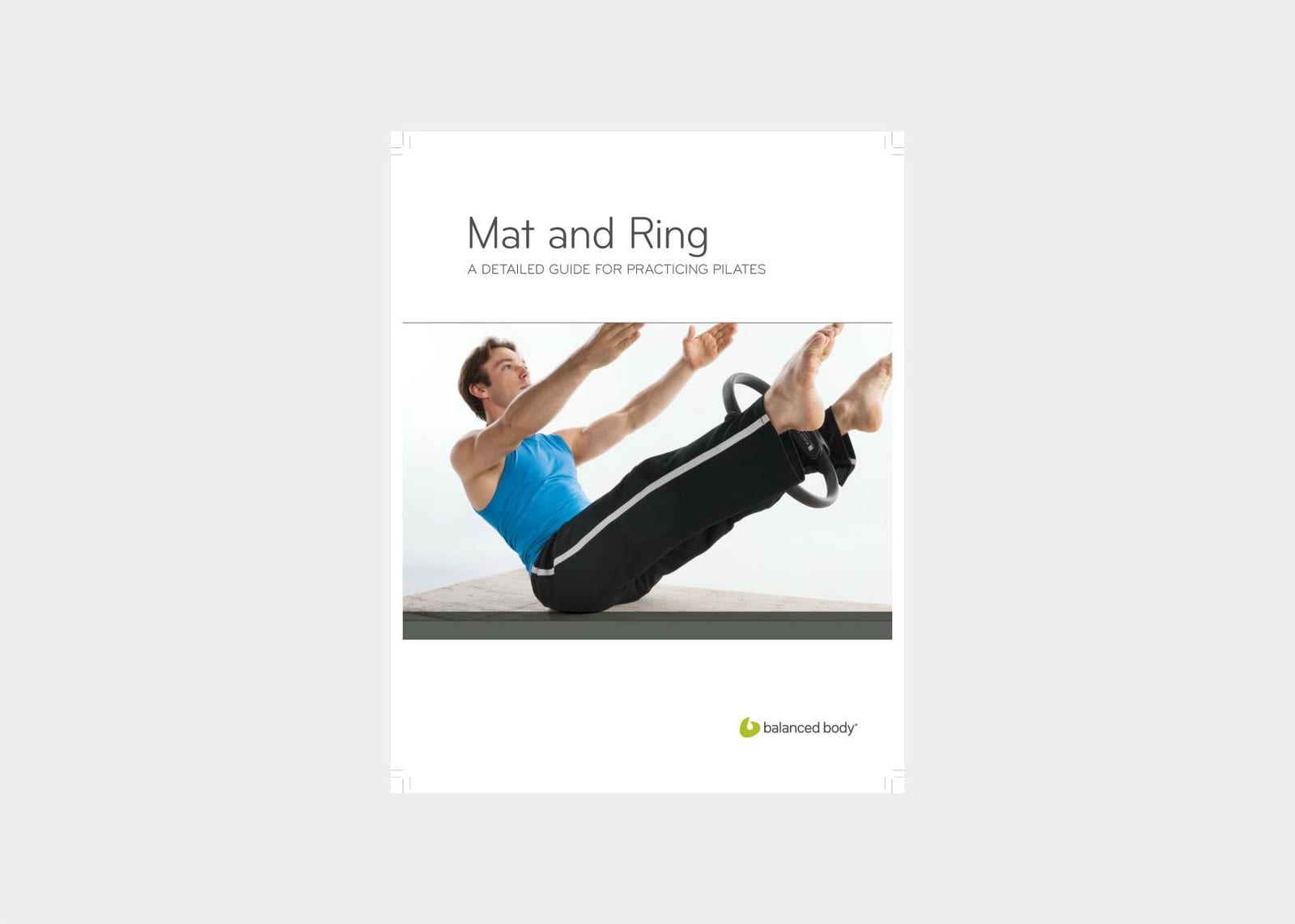
The Pilates magic circle
A magic circle is a flexible ring squeezed between the hands, thighs or ankles to add resistance and, more importantly, feedback. Its main value is proprio
-
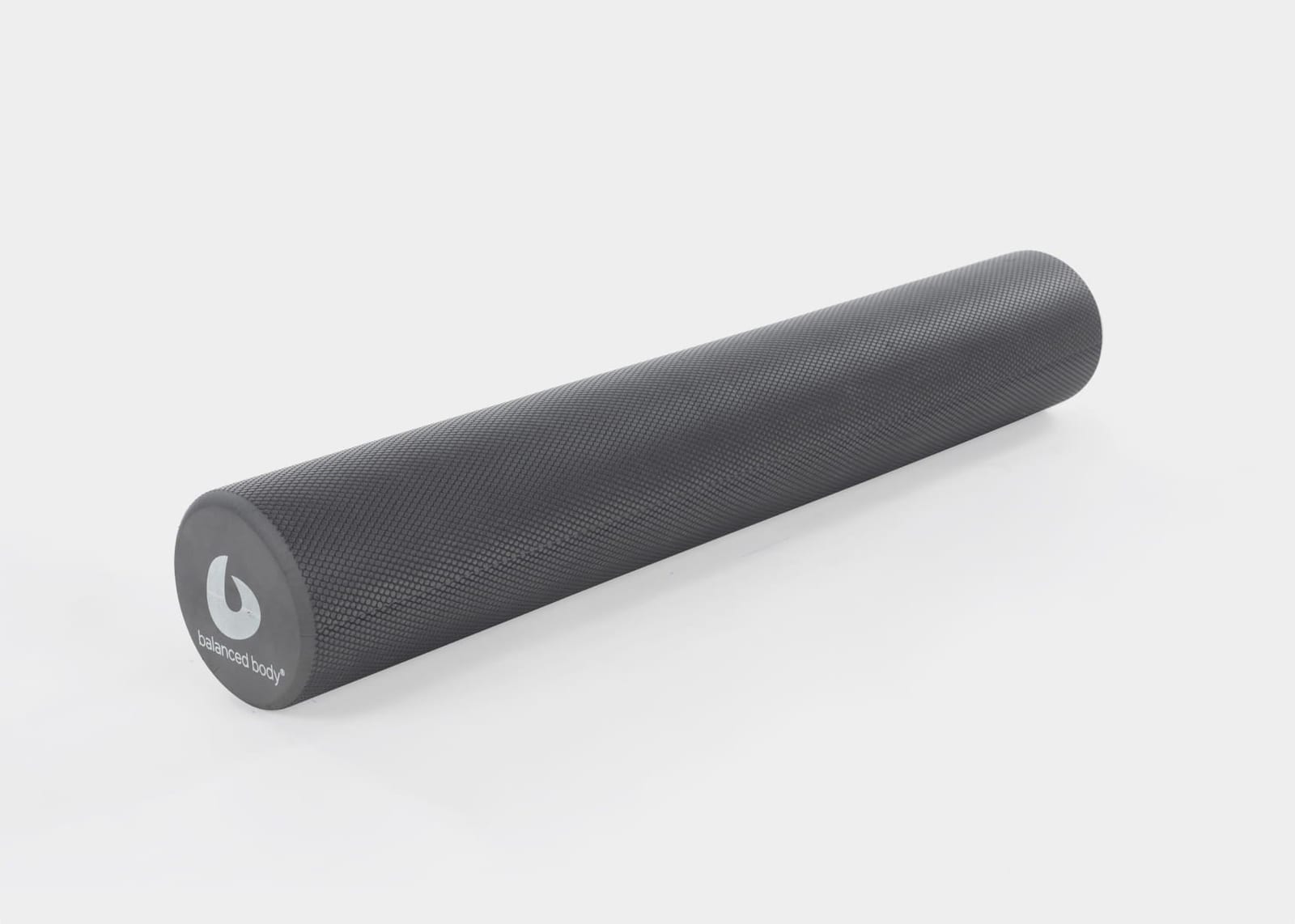
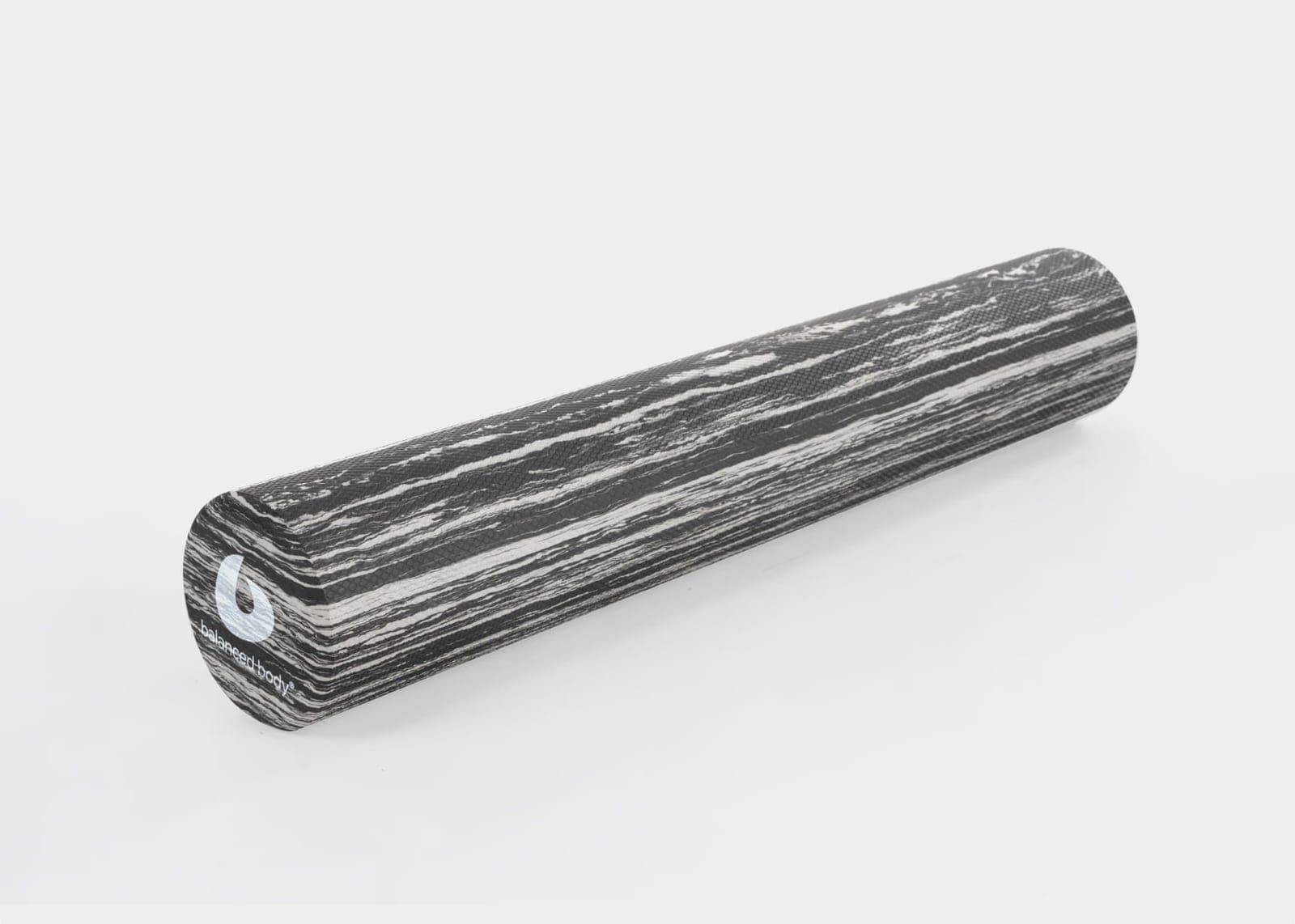
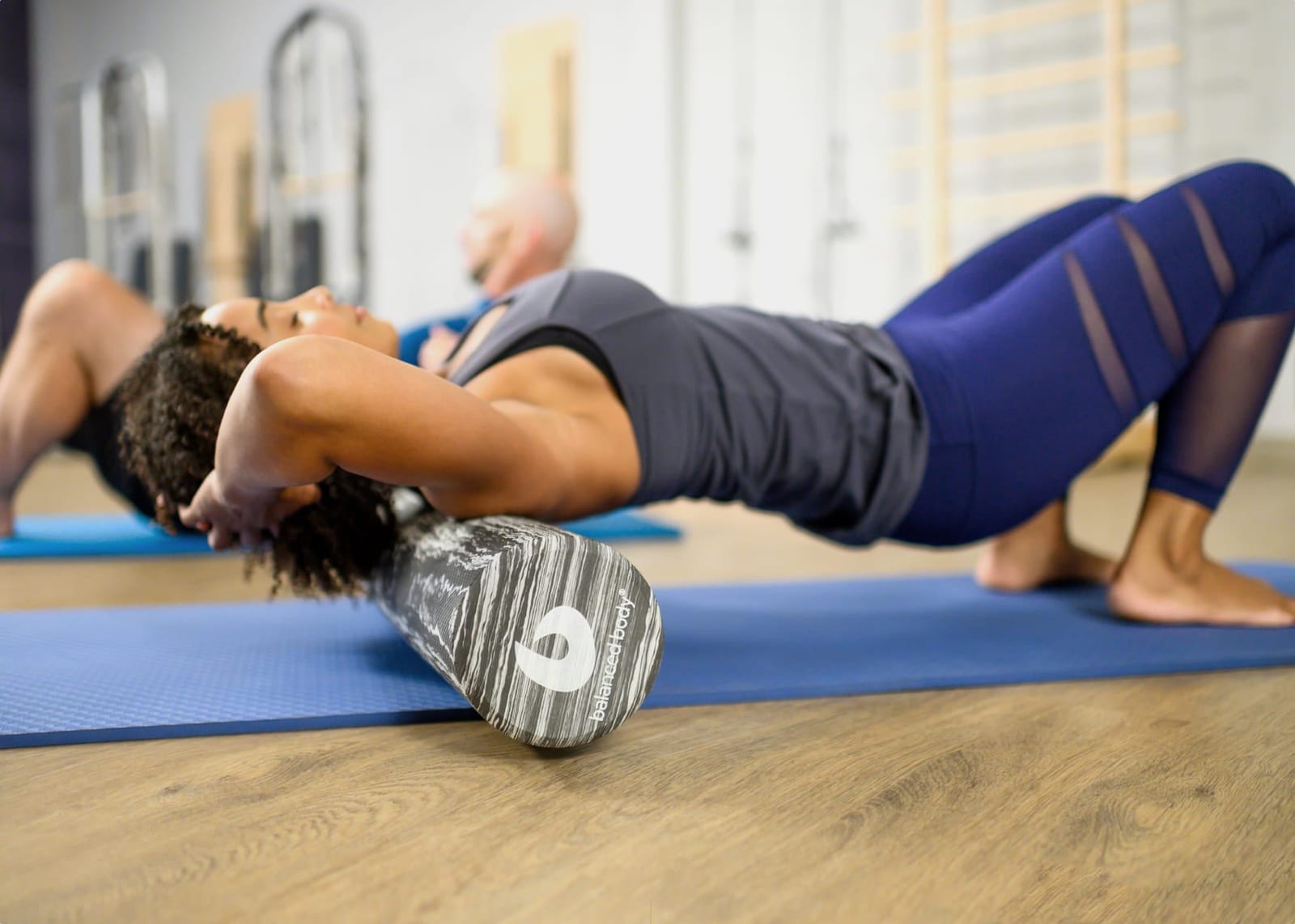
Using a foam roller in Pilates
In Pilates a foam roller is used as an unstable surface for balance and control work, and as a support for thoracic extension — not primarily for the self-
-
Resistance bands for Pilates
Resistance bands substitute reasonably for reformer strap work when traveling or training without equipment. They provide the same ascending resistance cur
-
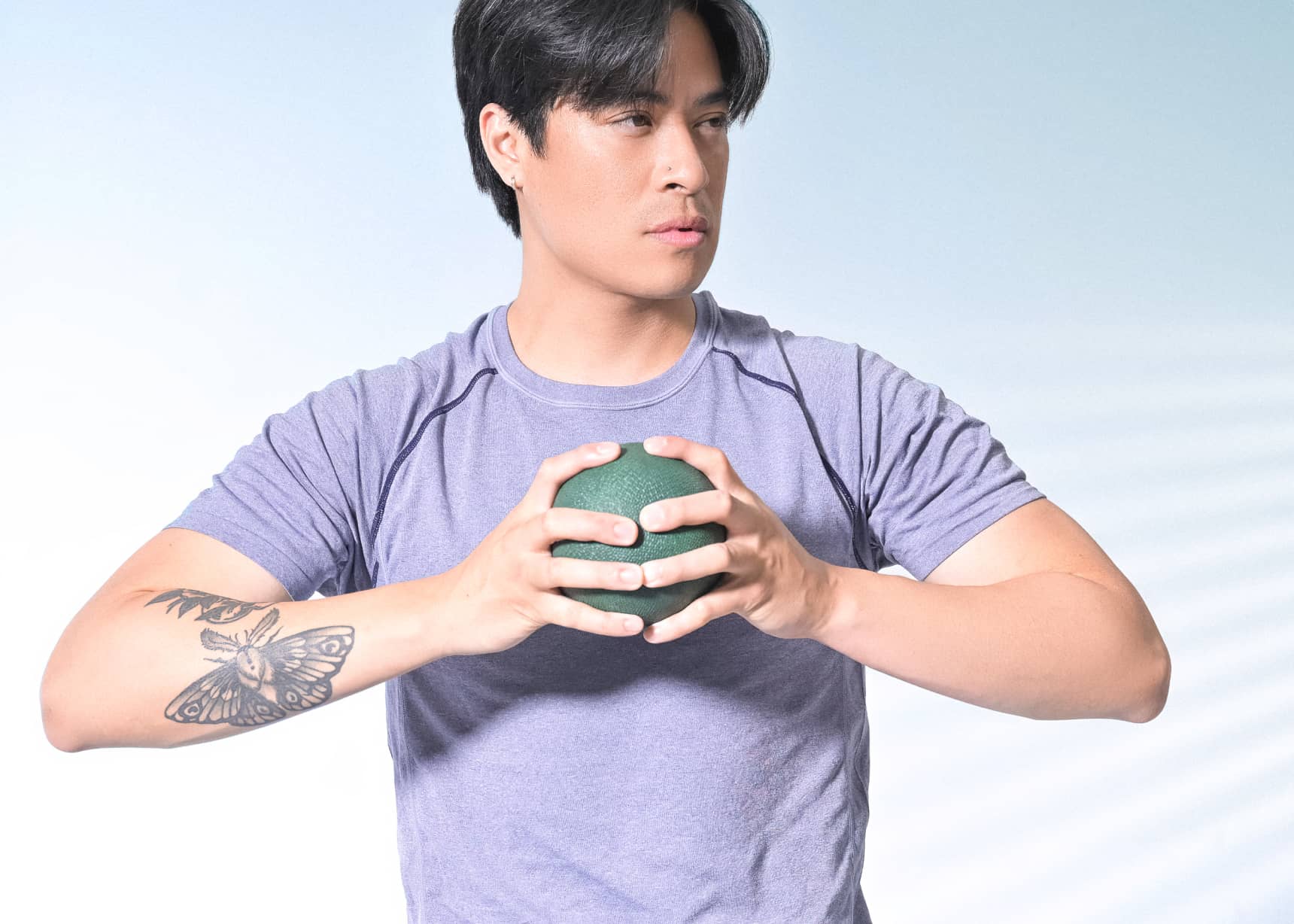
Pilates balls and their uses
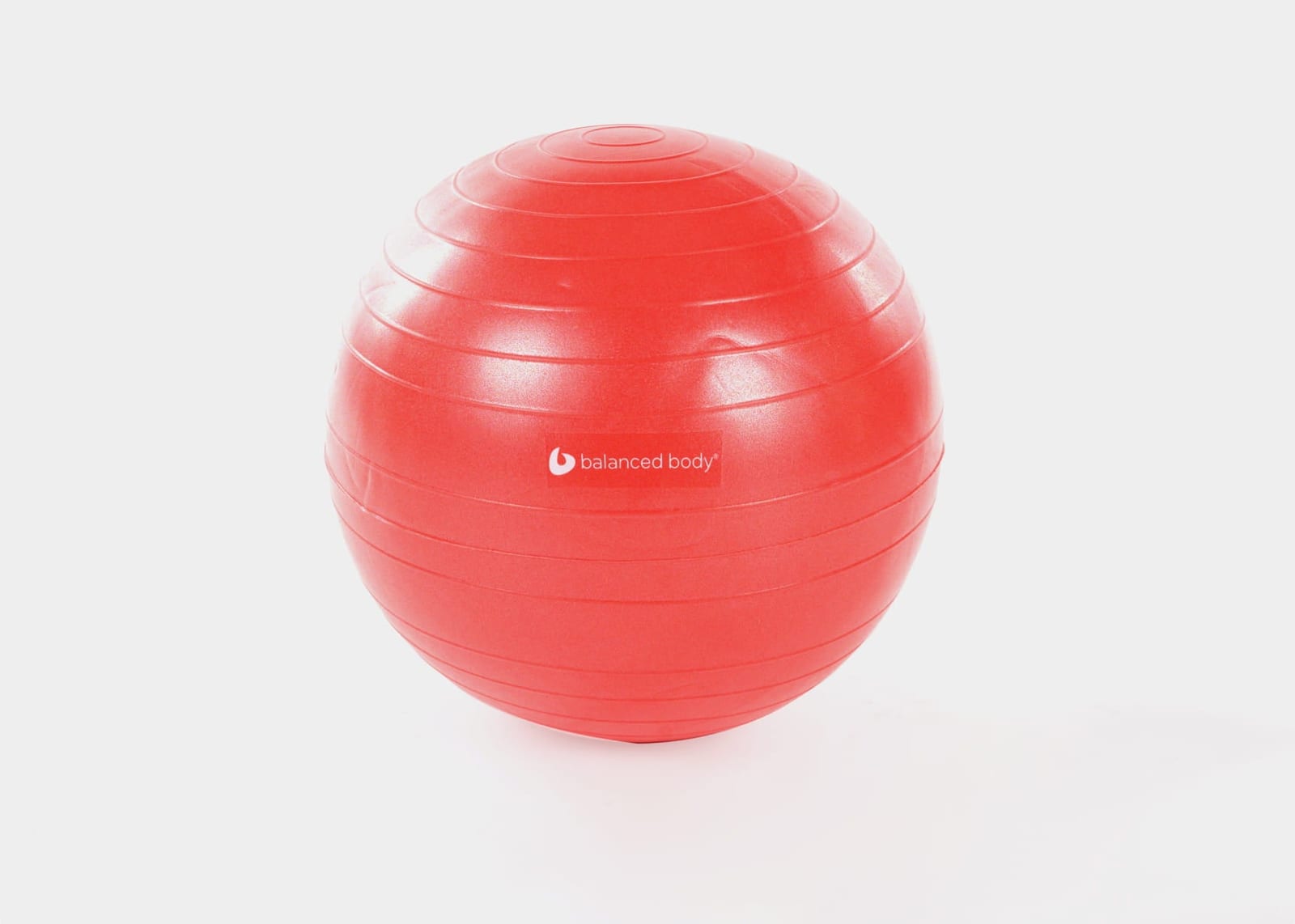
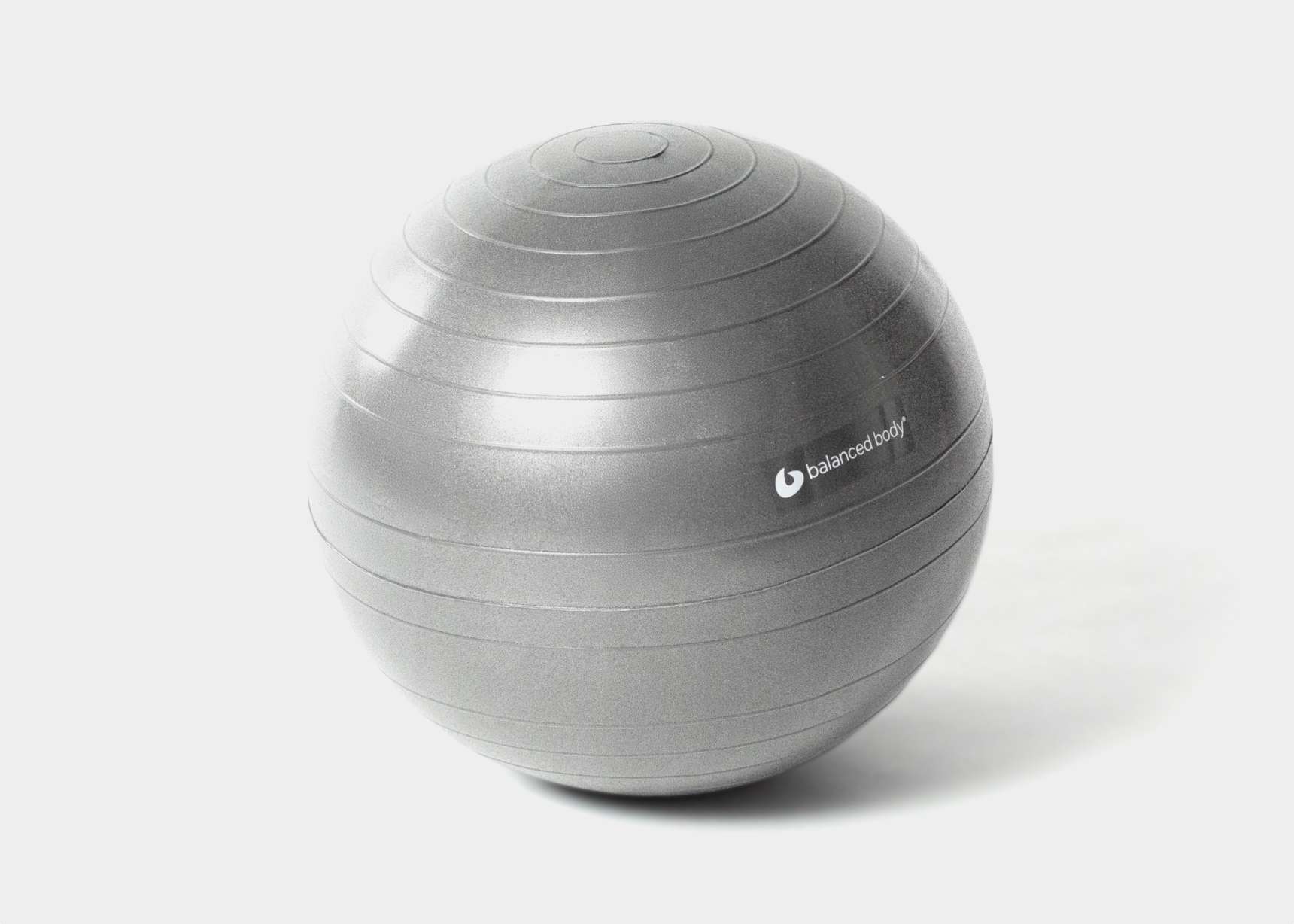
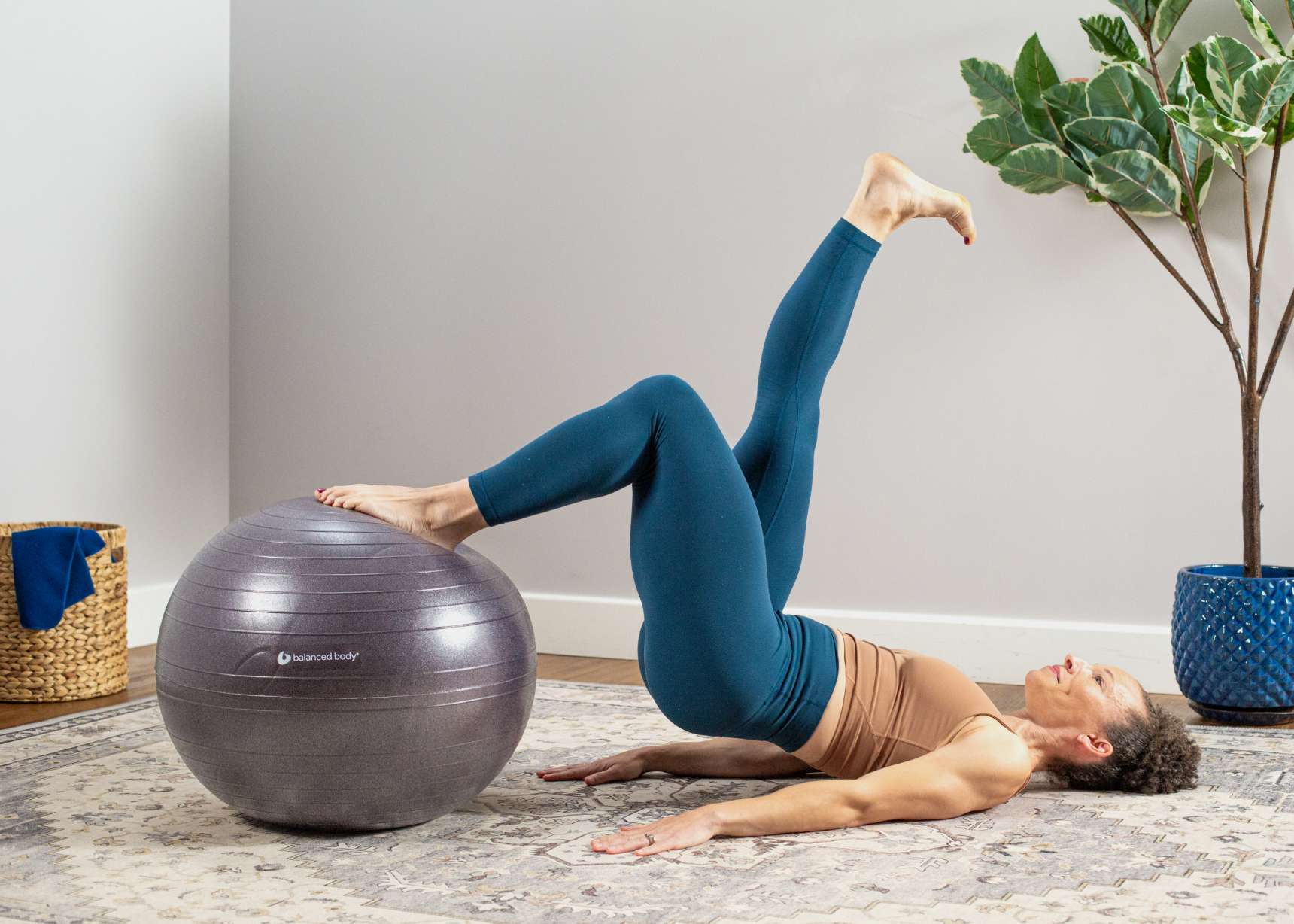
Pilates uses two ball types: a small soft ball of 20–25 cm for feedback and support, and a large stability ball of 55–75 cm sized to your height. The small
-
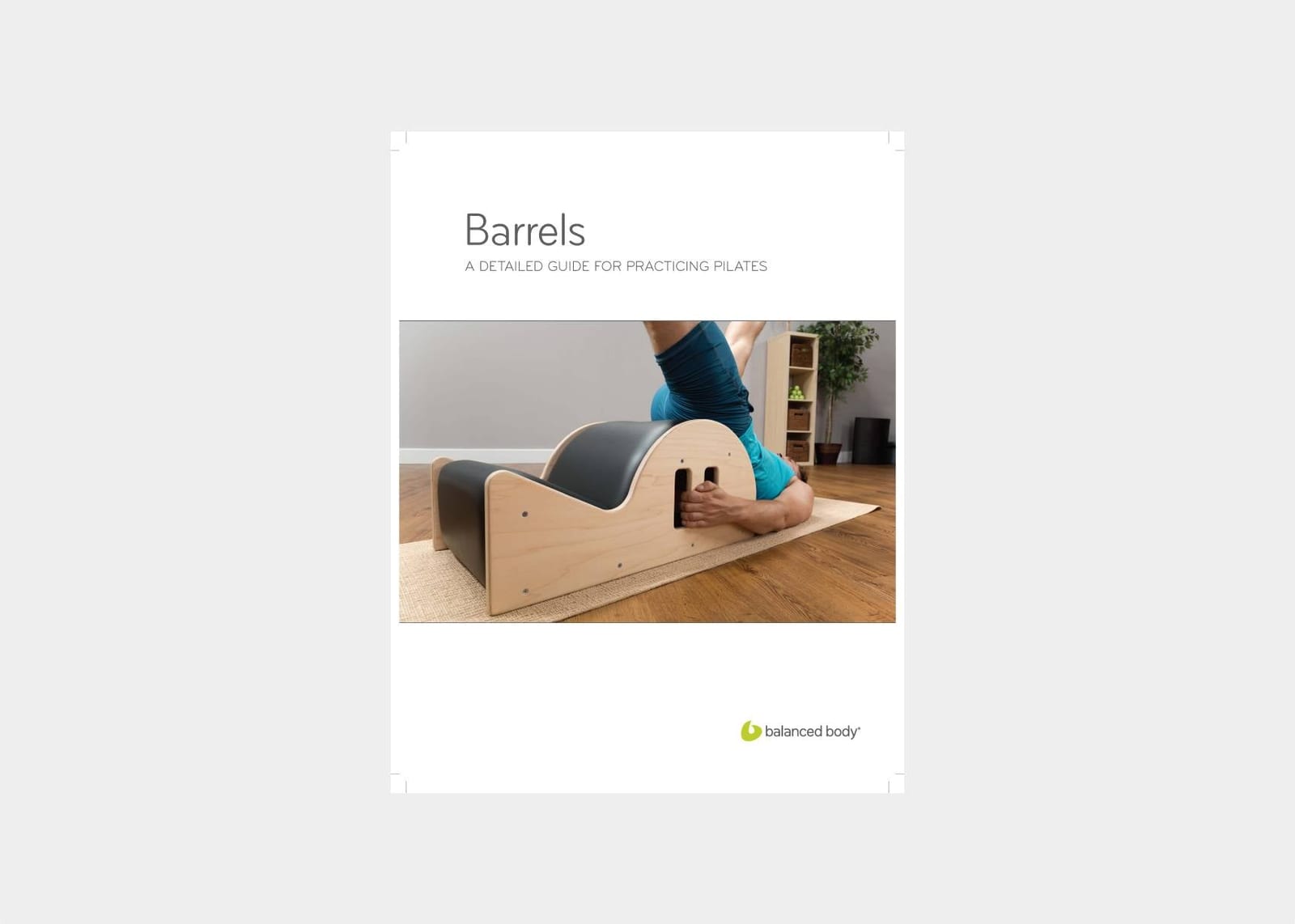
The Pilates arc and spine corrector
An arc is a lightweight curved prop used on the floor or on a reformer carriage for supported spinal extension. A spine corrector is a heavier, taller vers
-
The Pilates pole
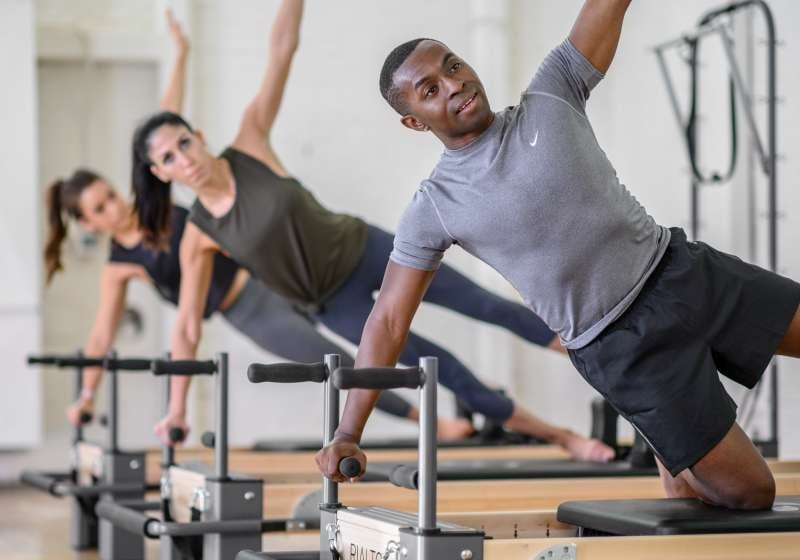
A Pilates pole is a light wooden or aluminum dowel used for shoulder mobility, alignment feedback and as a hand reference in seated and standing work. It i
-
Reformer straps, loops and handles
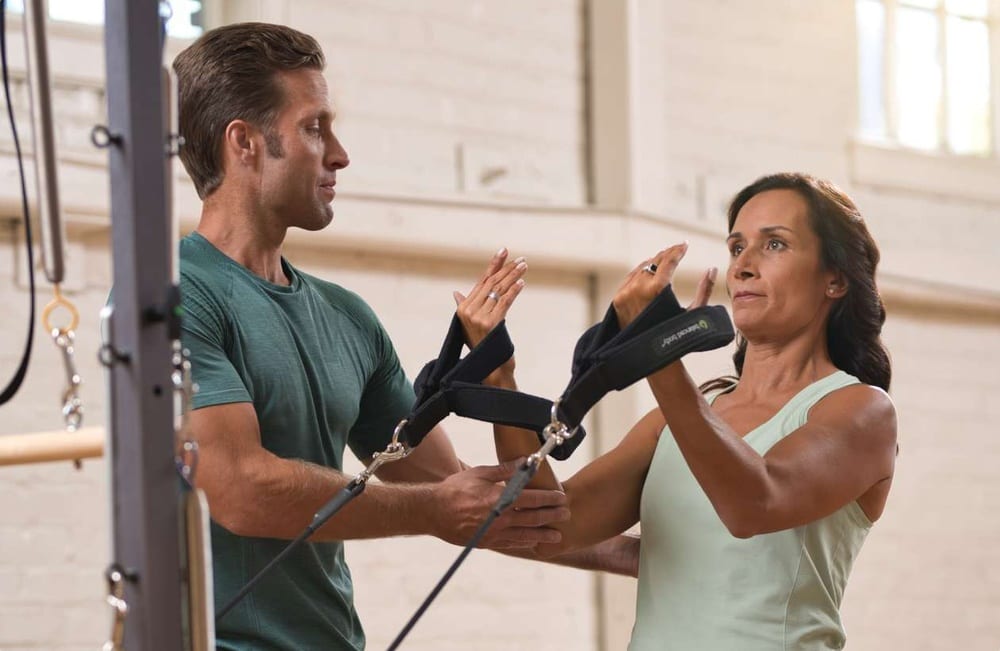
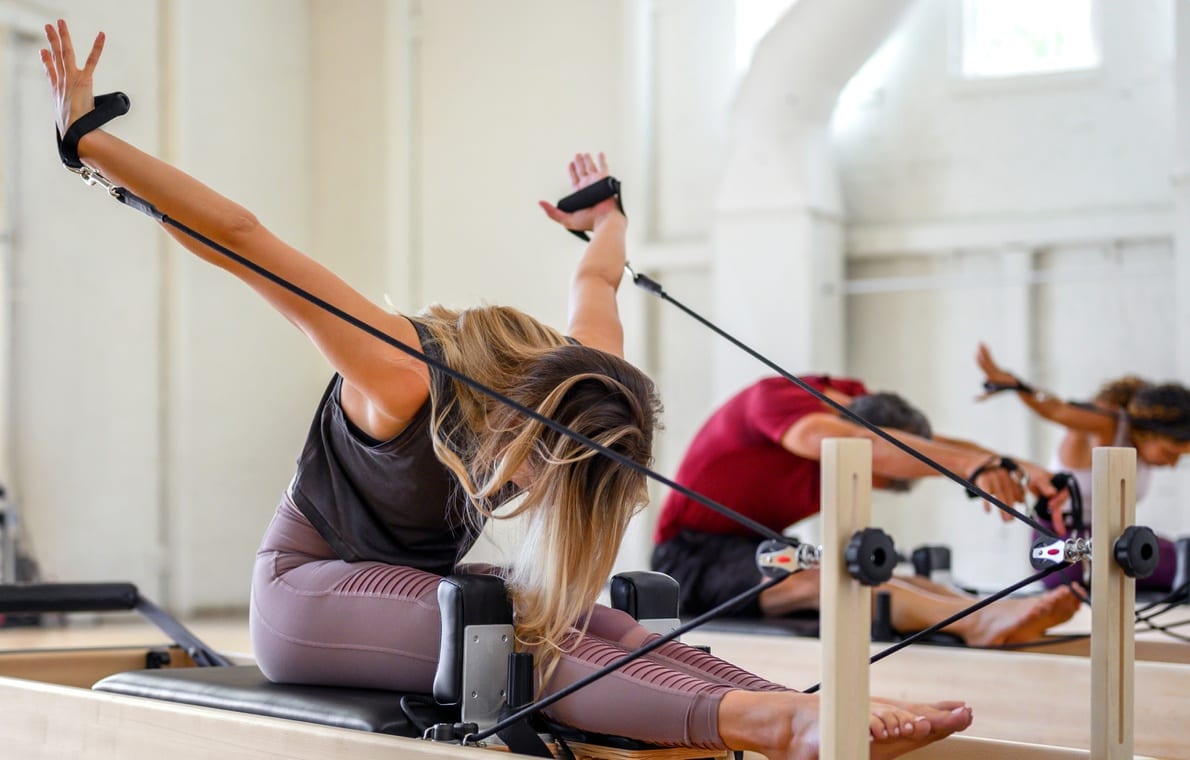
Reformer straps attach to the ropes and come as double loops, single loops, or padded handles. Double loops suit foot work, single loops and handles suit h
-
Light weights and toning balls in Pilates
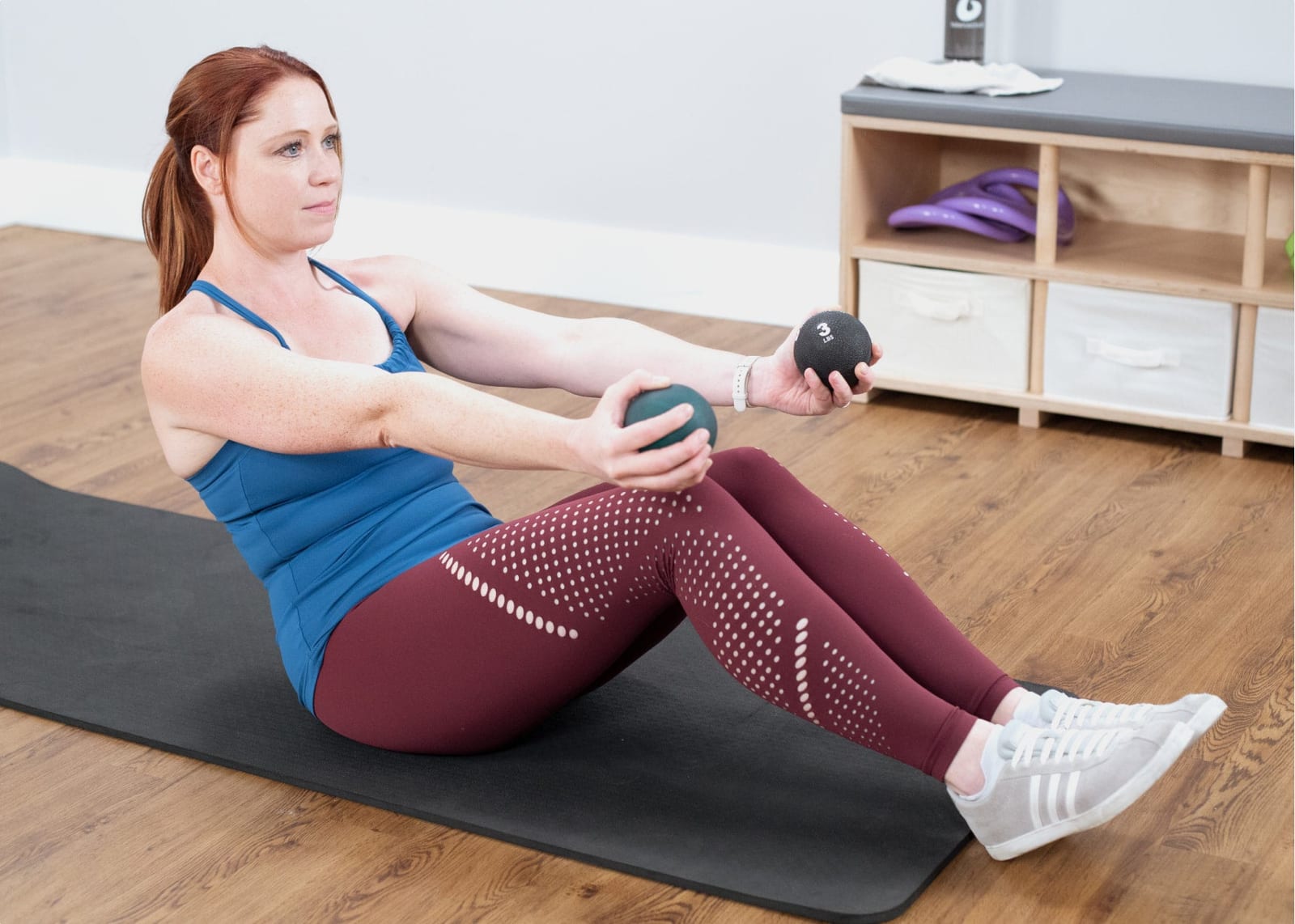
Pilates uses light hand weights of 1–3 lb, not for load but to increase the demand on shoulder positioning through longer levers. Toning balls do the same
-
Sliders and gliding discs
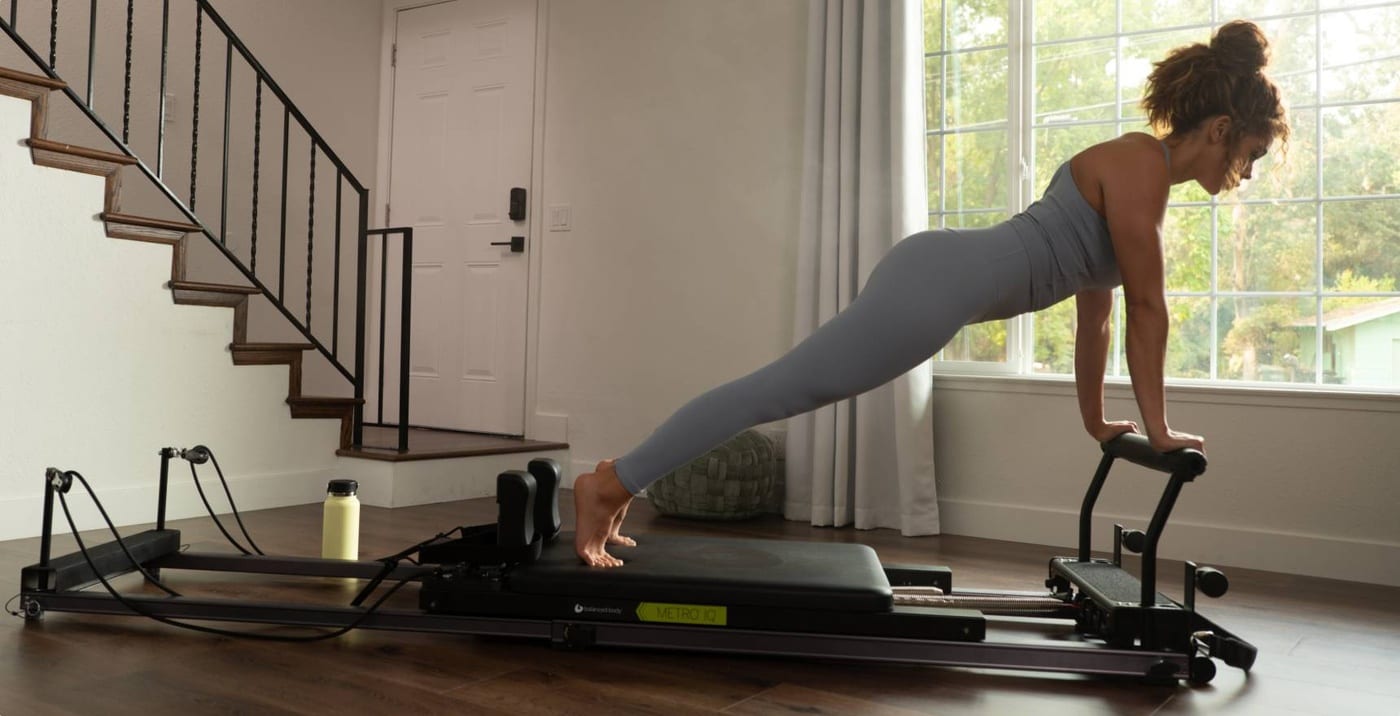
Sliders let you replicate some reformer carriage movement on the floor. Placed under the feet or hands on a smooth surface, they turn static positions into
-
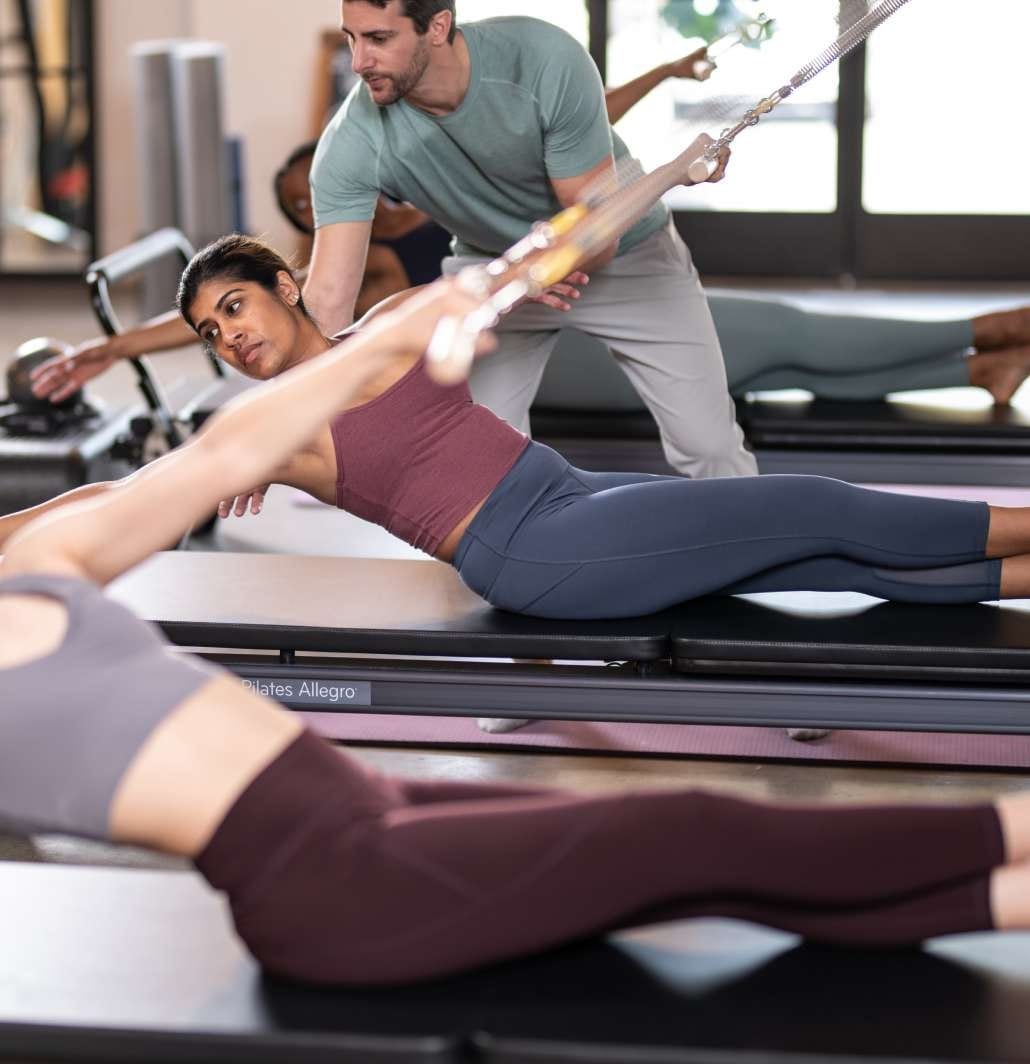
Reformer accessories worth buying
In order of value: a sitting box, a pole, then a mat. A jumpboard is worth it only with 8 ft of ceiling and an interest in cardio. Most bundled accessory p
-
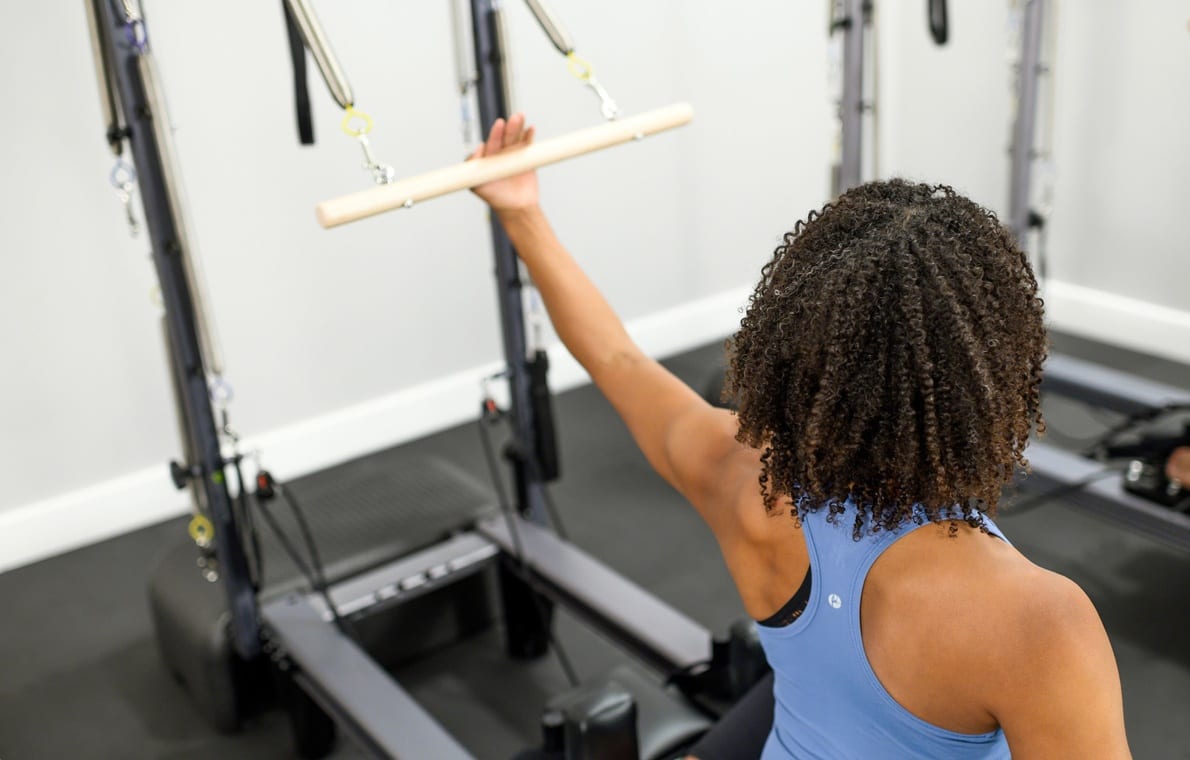
Reformer tower accessories
A tower’s core attachments are the push-through bar, roll-down bar, and leg and arm springs. The push-through bar delivers most of the value; the roll-down
-
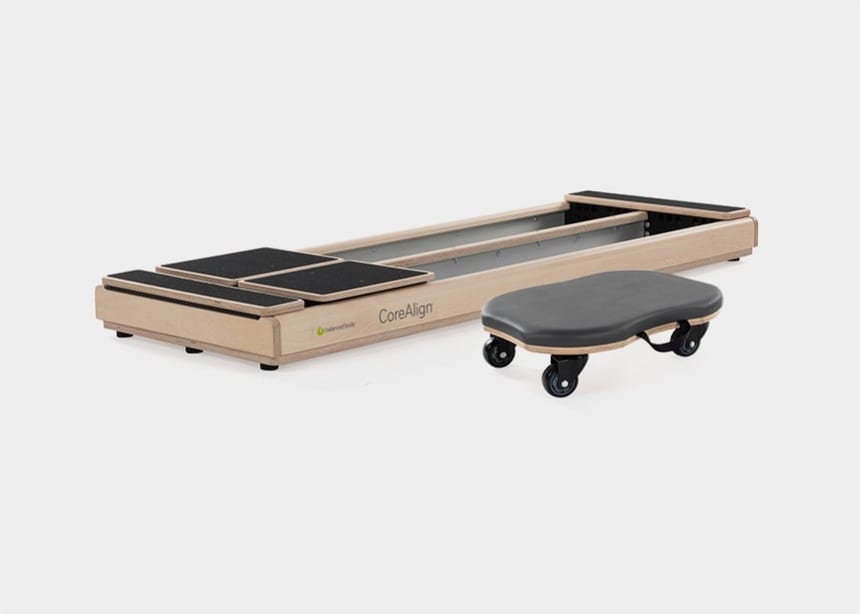
A Pilates prop kit on a small budget
A useful home prop kit costs under $100: a good mat, a small soft ball, a flat resistance band, and a pole. Between them they cover feedback, light resista
-
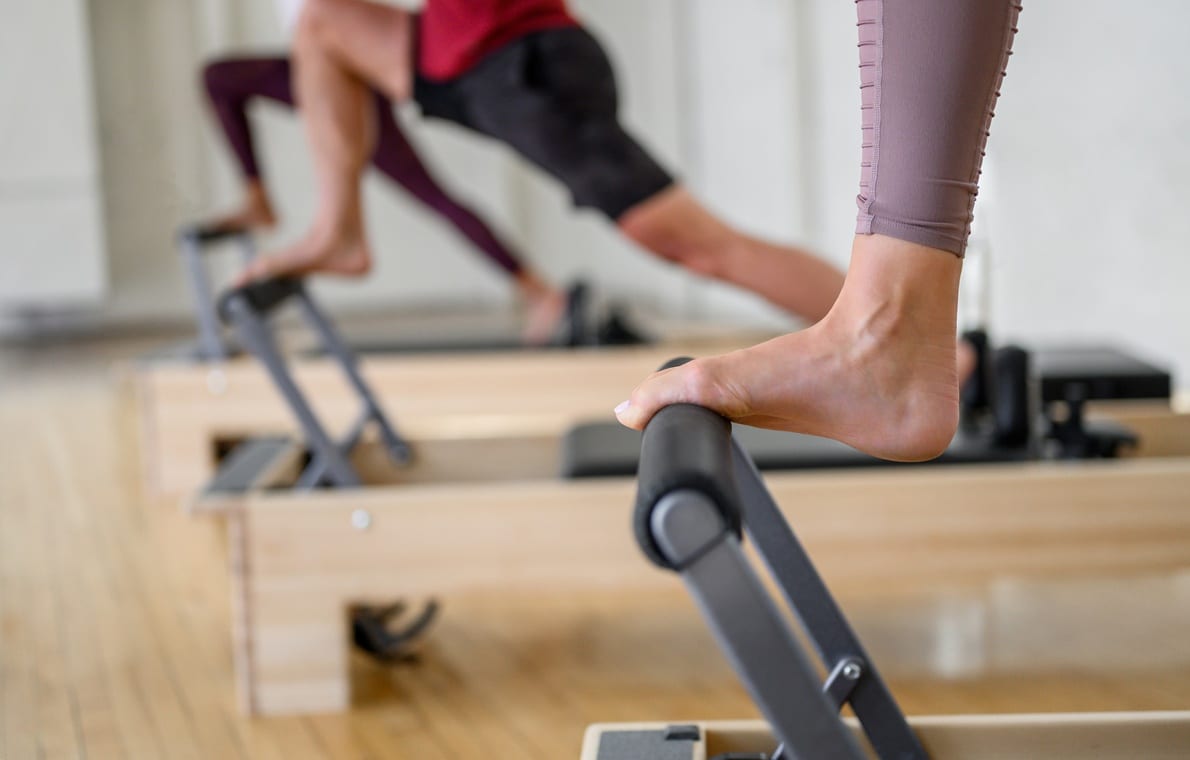
Footbar covers and grip accessories
Grip socks are the most useful non-slip accessory — they prevent feet sliding on the carriage and are required by most studios for hygiene. Footbar covers
-
Pilates equipment for travel
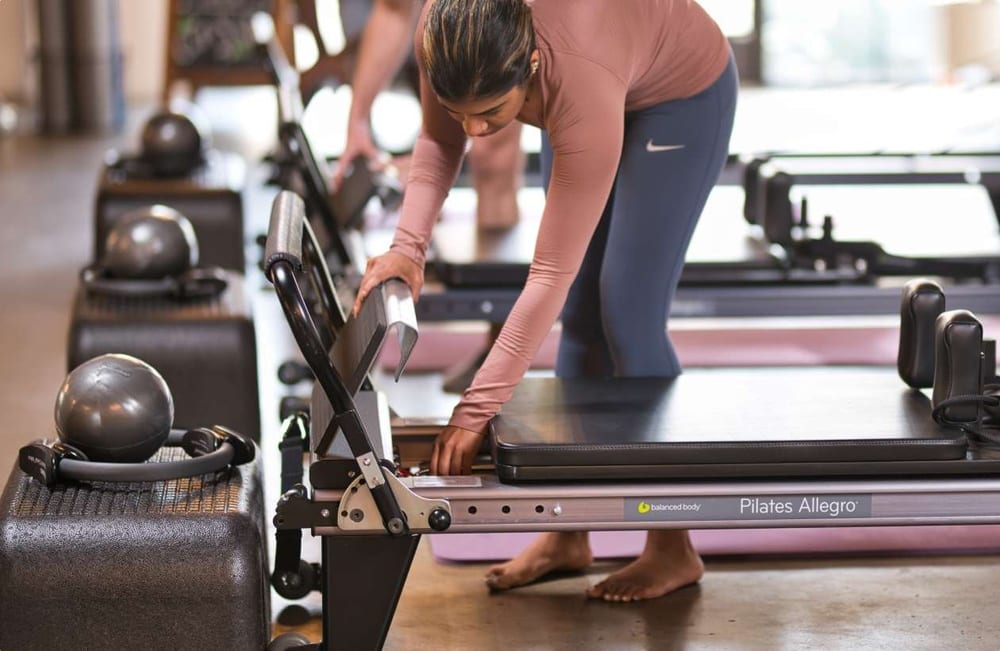
A flat resistance band, a small deflatable ball and a pair of sliders fit in a bag and cover most of what you need to maintain a practice while traveling.
Studio business
-

How to open a Pilates studio
Opening a small reformer studio typically costs $60,000–$150,000 depending on location and fit-out. Equipment is usually 25–35% of that, lease and build-ou
-

Pilates studio equipment budget
Budget roughly $4,000–$6,000 per fully equipped reformer station: the machine, a sitting box, pole, jumpboard and mat. A six-station studio therefore runs
-
Pricing Pilates classes and memberships
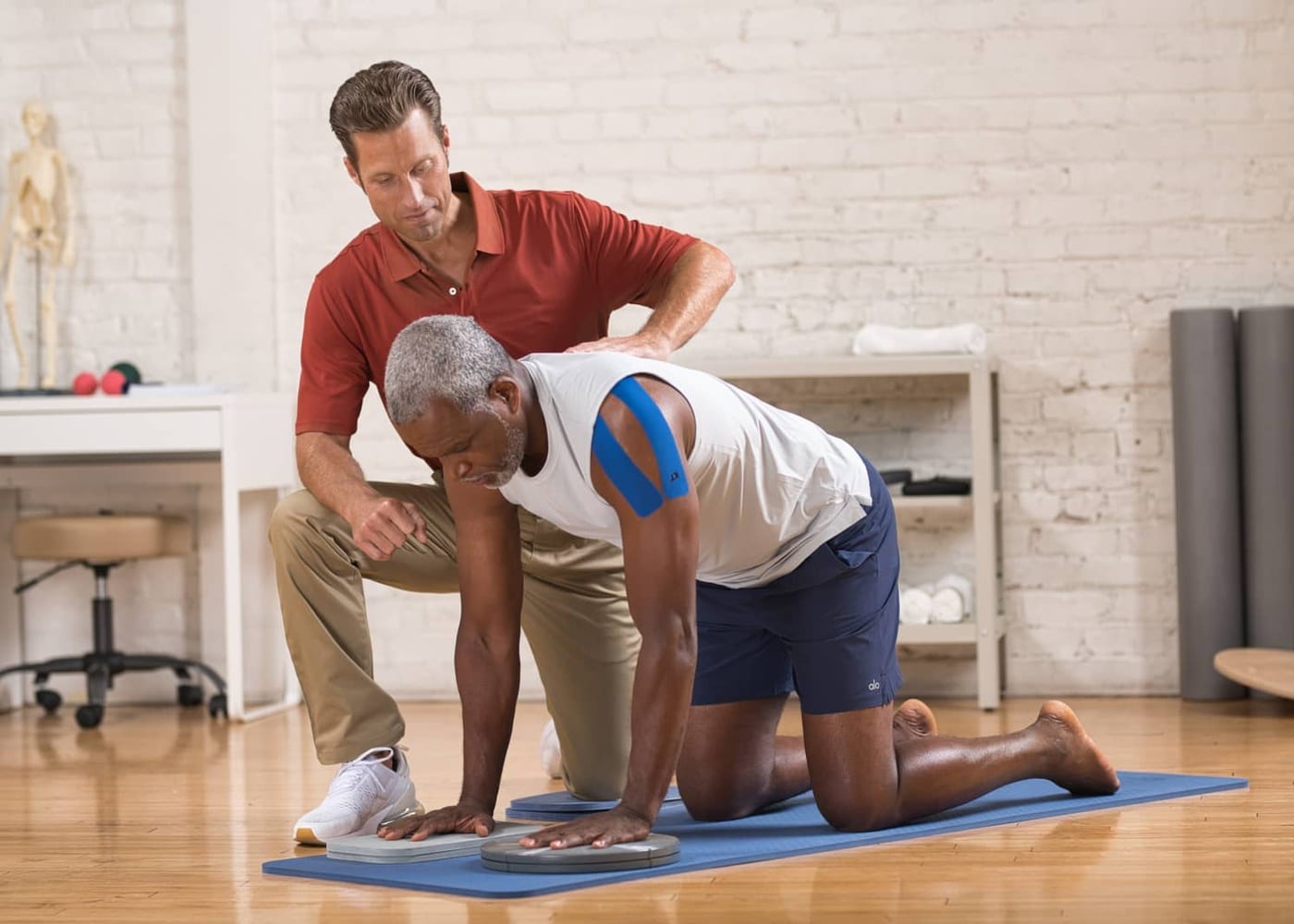
Price from your cost per class slot, not from what competitors charge. Calculate fixed monthly costs, divide by the number of class slots you can realistic
-
Reformer studio return on investment
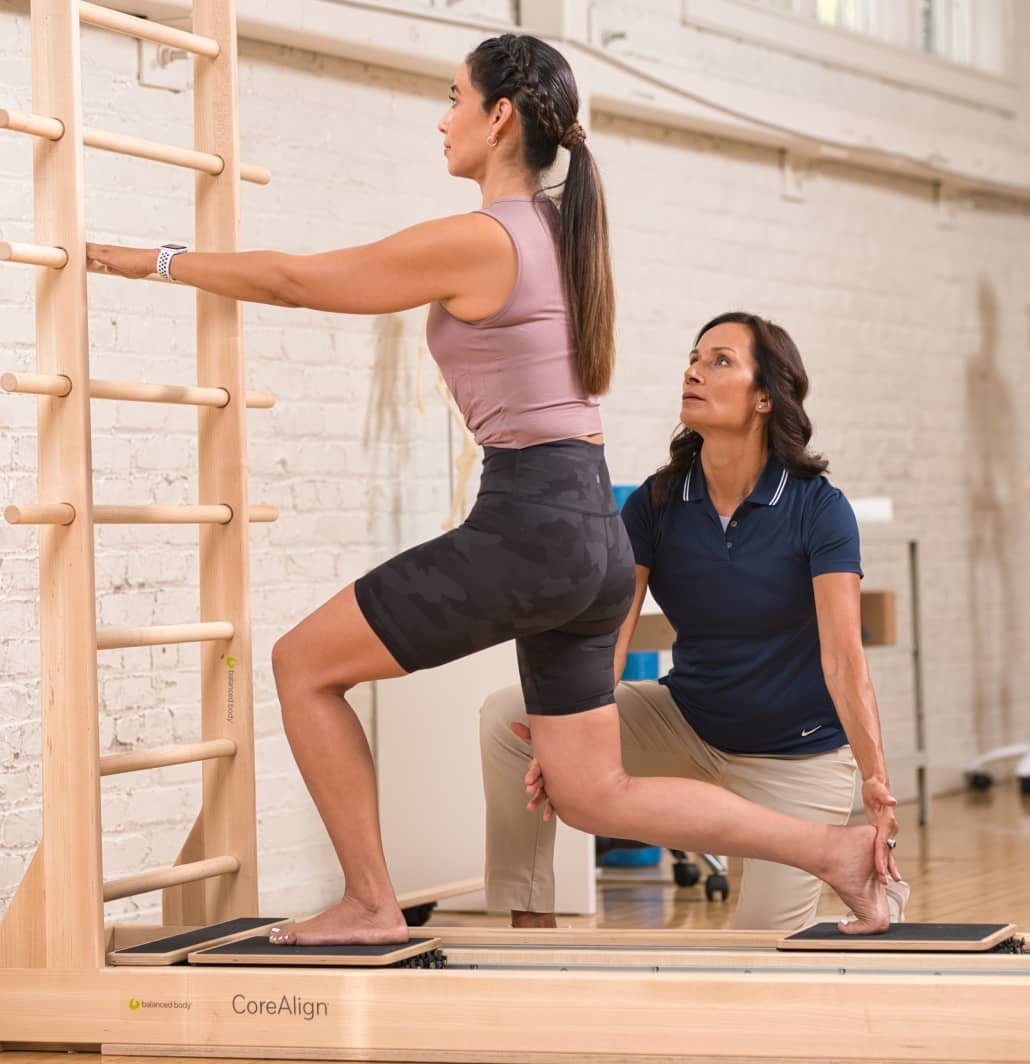
A studio reformer running six classes a week at 70% fill and $28 a head generates roughly $600 a month in revenue per station. Against a $4,500 fully equip
-
Scheduling Pilates classes
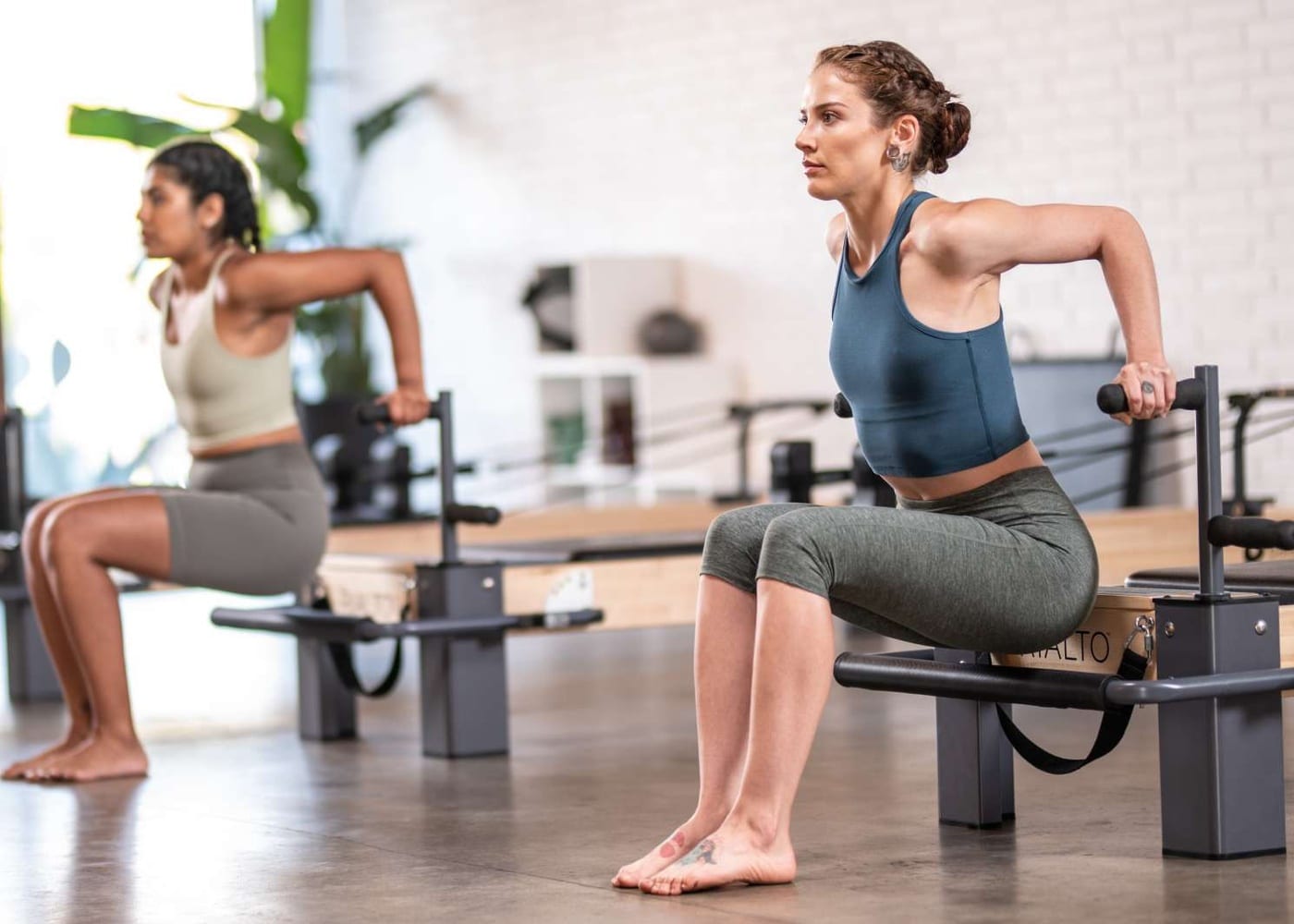
Build the timetable around two demand peaks — early morning before work and 5–7pm after it — and treat midday and mid-afternoon as low-capacity slots for s
-
Hiring Pilates instructors
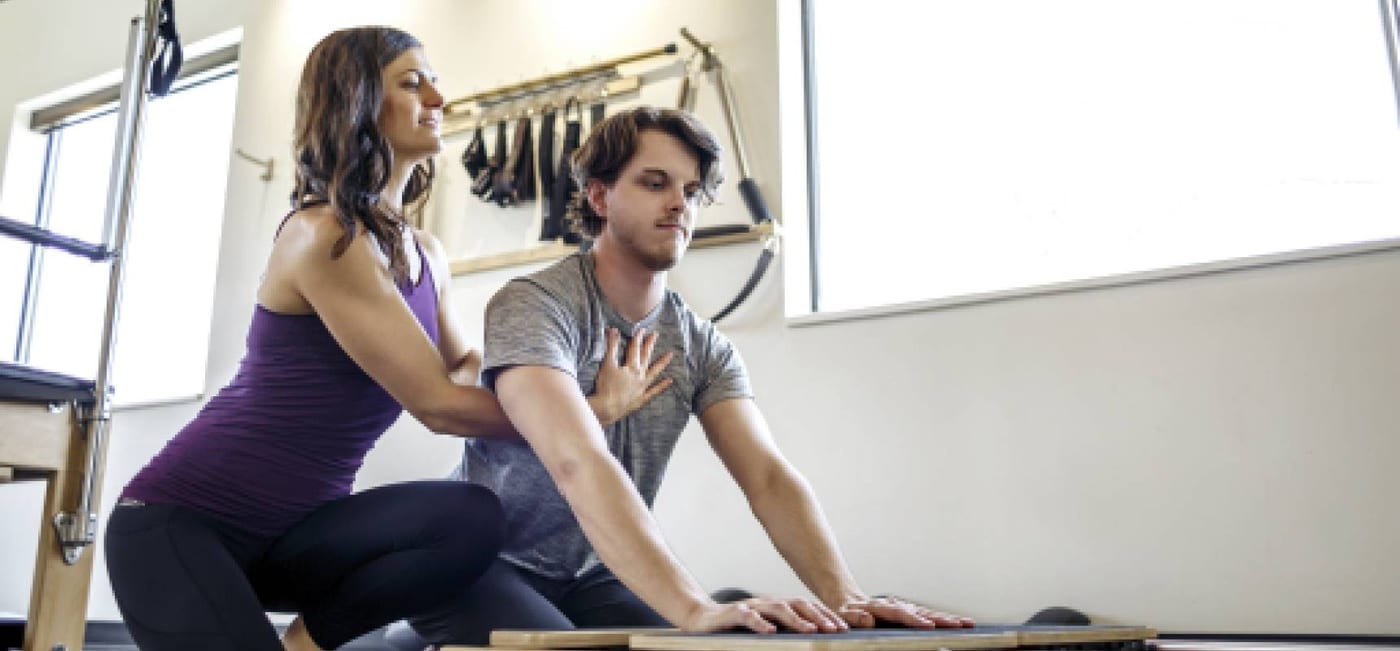
Instructor availability is the binding constraint for most studios, not demand or equipment. Recruit continuously rather than when a gap appears, pay per c
-
Programming a group reformer class
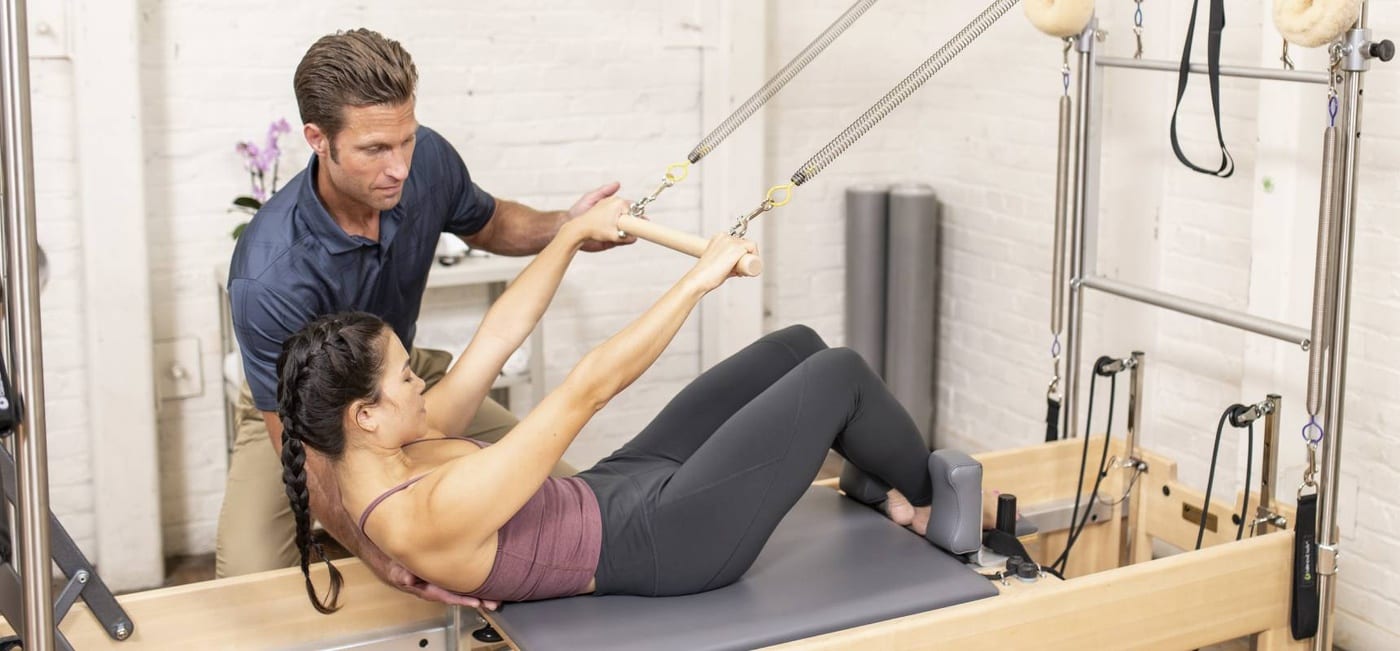
A 50-minute group reformer class needs a plan that minimizes setup changes and works for mixed abilities. Structure it as warm-up, footwork, supine strap w
-
Pilates studio insurance and waivers
A Pilates studio needs general liability and professional liability (often bundled as fitness liability), plus property cover for the equipment. Waivers re
-
Marketing a Pilates studio
For a local studio, the highest-return marketing is a complete Google Business Profile, a working intro offer, and a referral system. Paid social rarely ou
-

Adding reformers to a gym
A gym adding reformers needs a dedicated enclosed space, six to eight machines to make class economics work, and instructors who are certified specifically
-
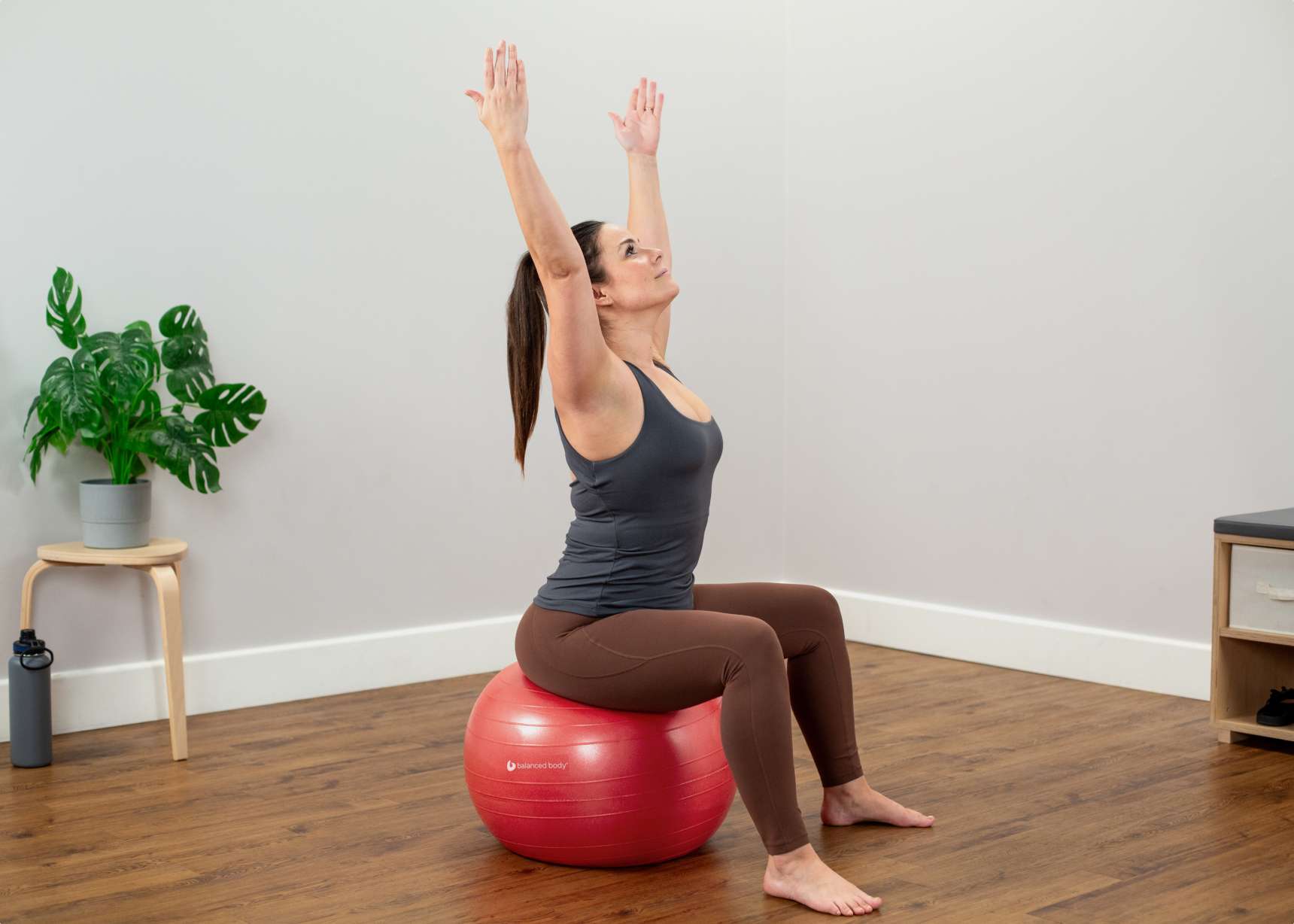
Pilates studio member retention
Most studio churn happens in the first eight weeks and is preventable. The interventions that work are contacting people who miss two consecutive weeks, en
-

Studio equipment maintenance schedule
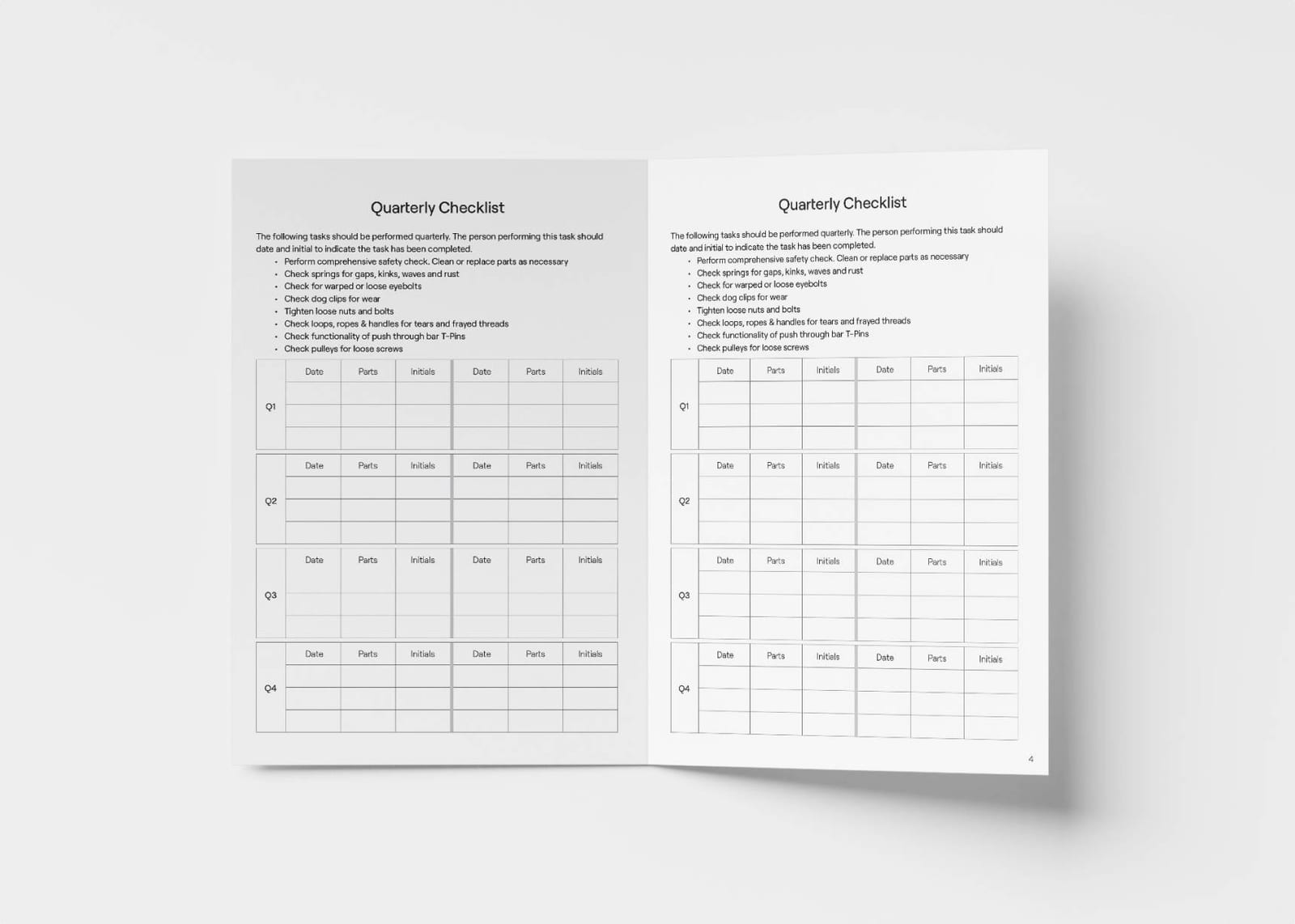
Studio reformers need a weekly wipe-down and rail clean, a monthly documented inspection of ropes, springs and hardware, and an annual deep service. Docume
-

Private-only vs group Pilates studio
Group classes scale revenue per hour of teaching; privates command higher rates but cap income at hours available. Most sustainable studios run a hybrid —
-
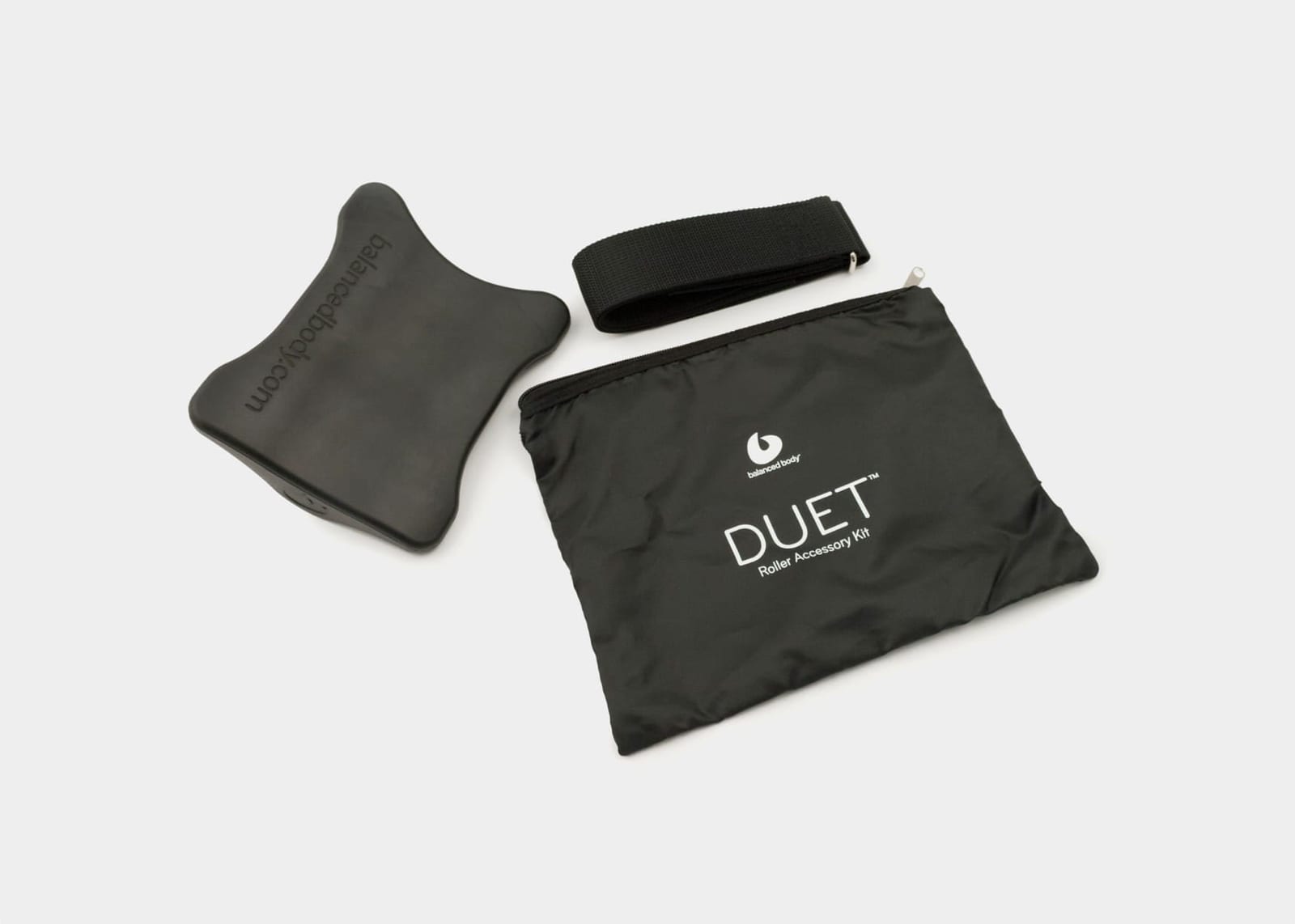
Booking software for Pilates studios
Studio booking software should handle class booking, waitlists, memberships, automated payments and attendance reporting. Waitlist automation and attendanc
-

Expanding a Pilates studio
Expand when peak classes are consistently full and you are turning people away — not when revenue merely looks healthy. The cheapest expansion is adding ma
-
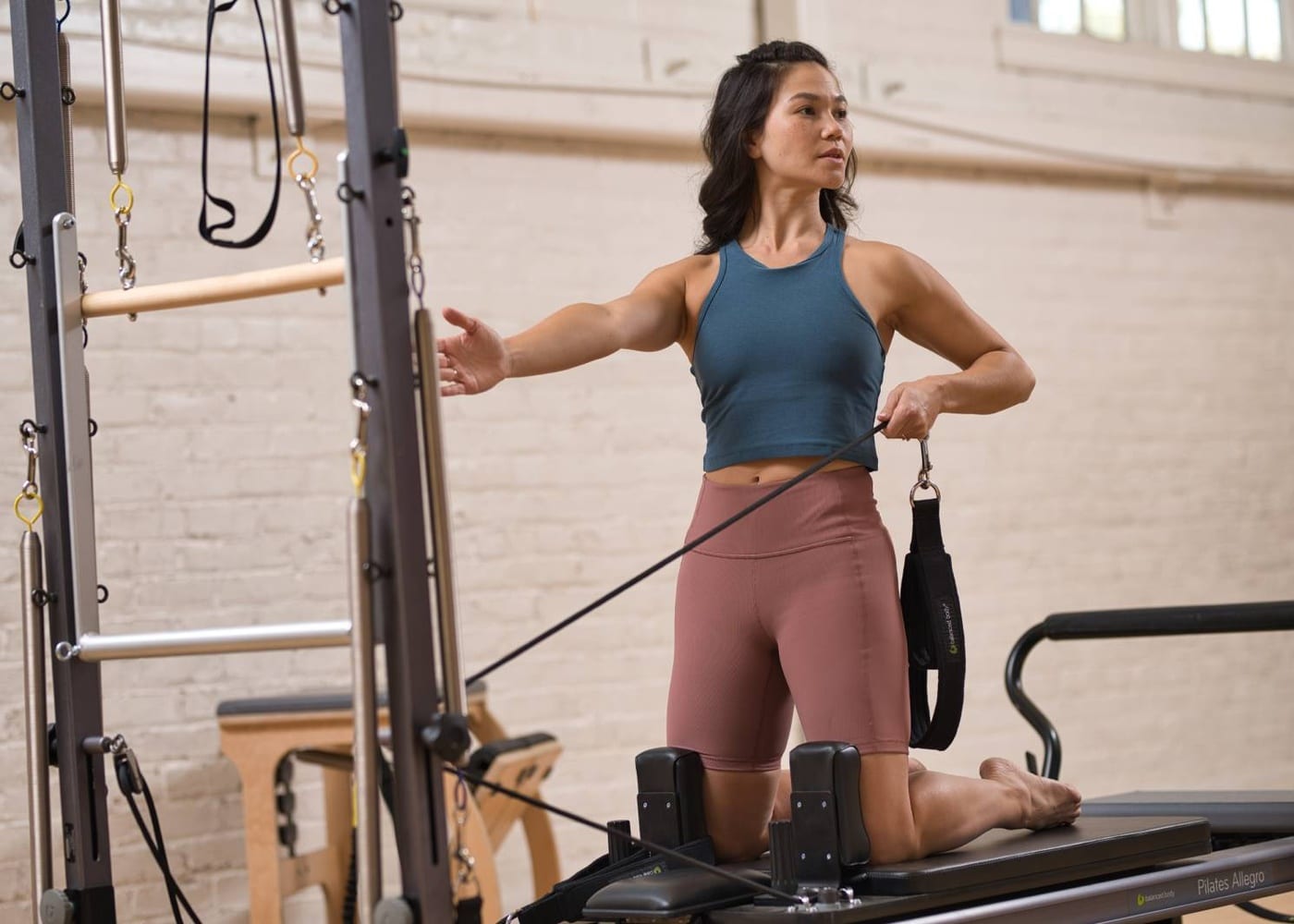
Adding teacher training to a studio
Hosting teacher training adds high-margin revenue and solves recruitment, since trainees often become staff. It requires an experienced lead trainer, dedic
-
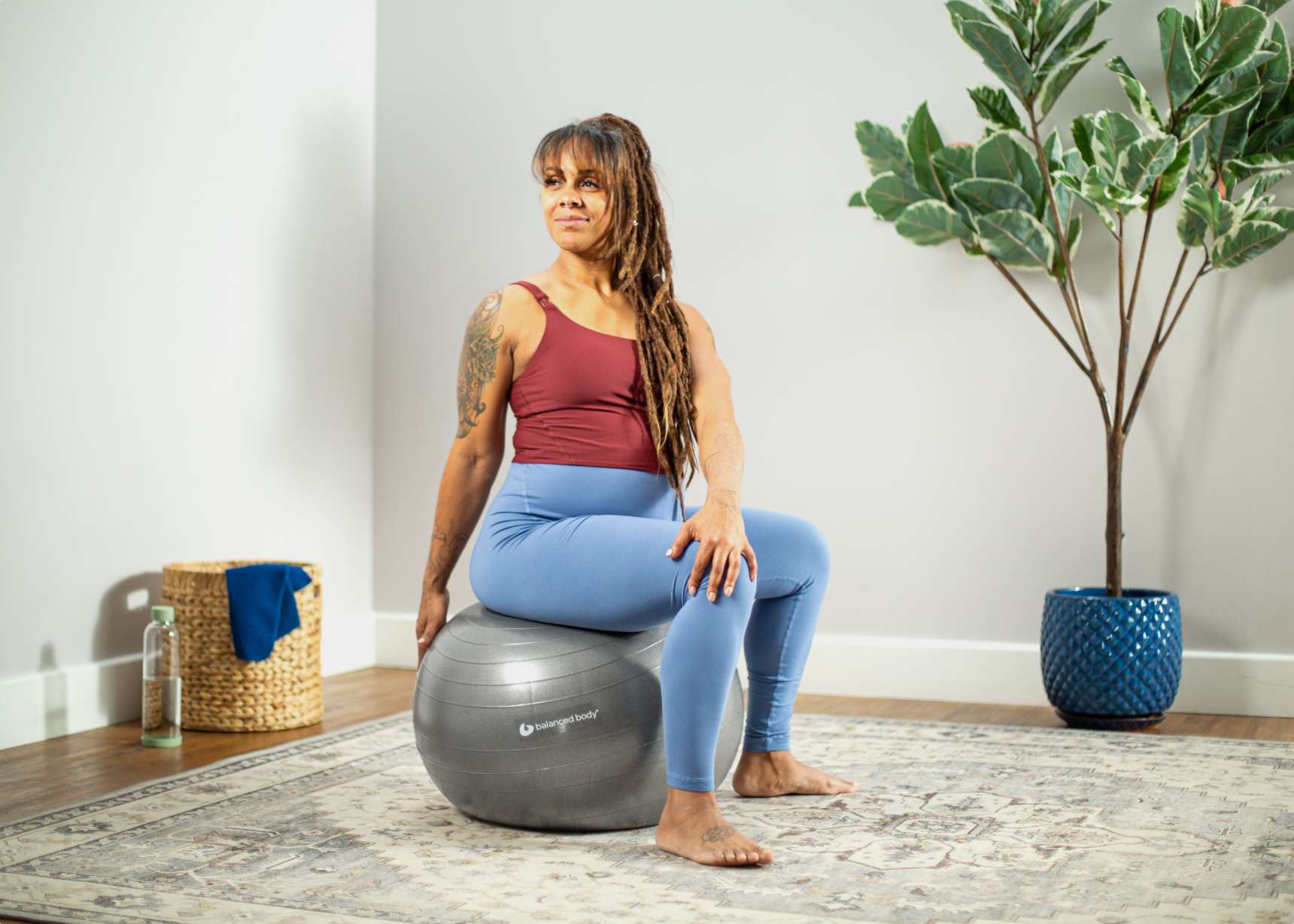
Building community in a Pilates studio
Community is the main defense against price competition, and it is built through consistency rather than events: the same teachers at the same times, staff
Care & maintenance
-
How to clean a Pilates reformer
Wipe upholstery with mild soap solution after each use and dry it. Clean the rails weekly with a dry or barely damp cloth — never oil. Avoid alcohol-based
-
When to replace reformer springs
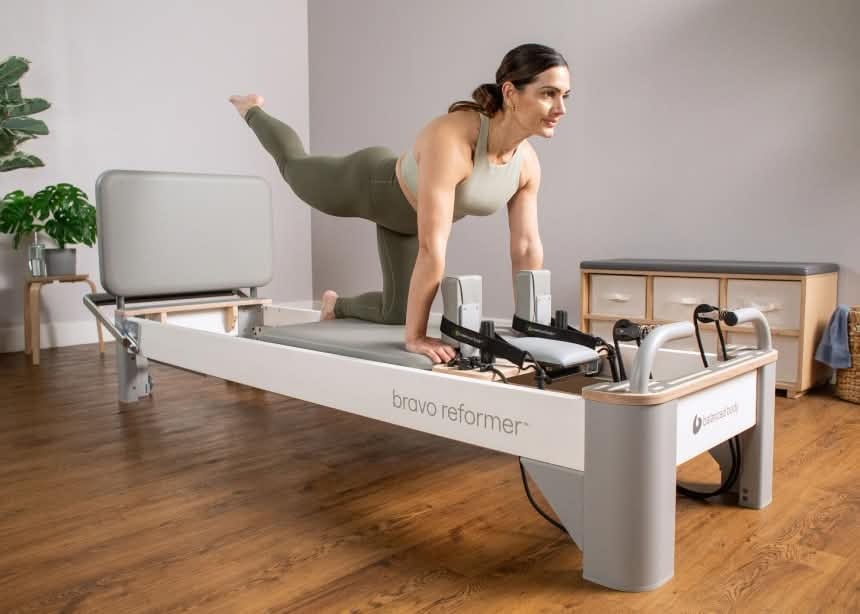
Replace reformer springs when unloaded free length exceeds the manufacturer specification, when coils are visibly uneven or corroded, or on a three-to-five
-

Replacing reformer ropes
Replace reformer ropes when fraying appears at the pulley contact points, when they have stretched enough that your settings have drifted, or annually in h
-
Replacing reformer carriage wheels
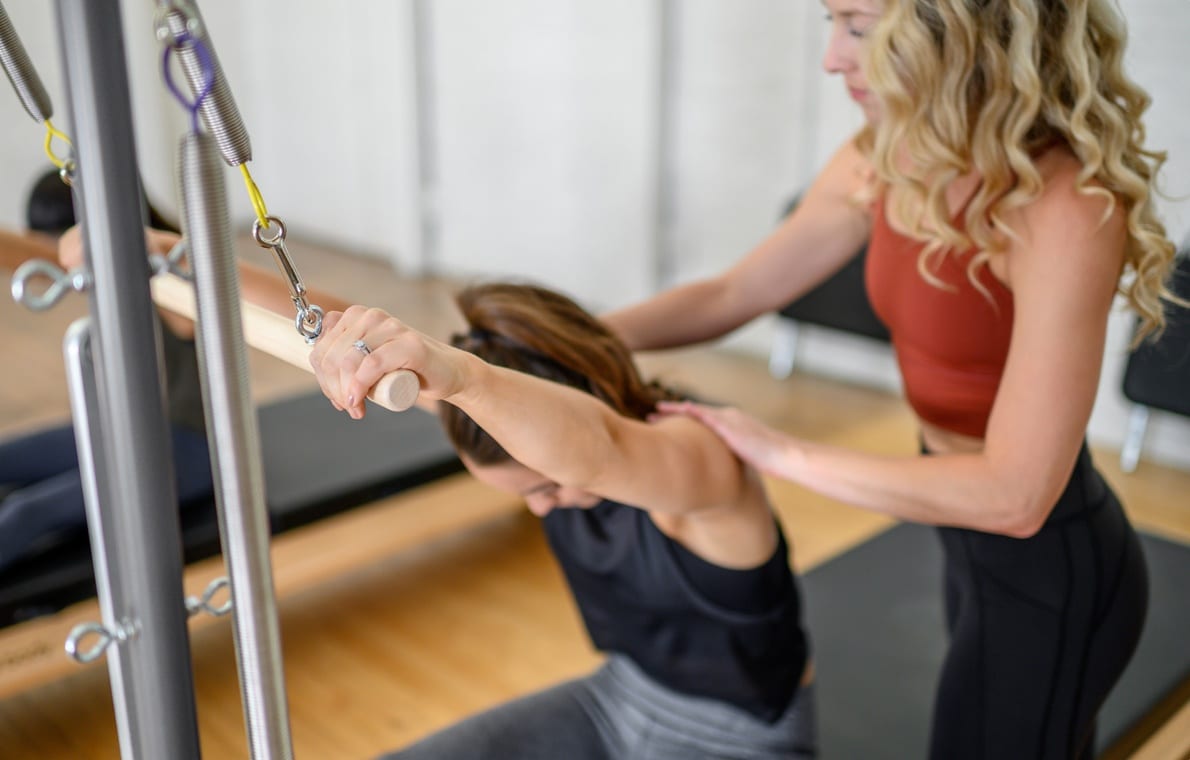
Replace carriage wheels when they no longer spin freely and silently by hand, when flat spots are visible, or when cleaning the rails fails to resolve carr
-

Reformer upholstery repair and replacement
Small vinyl splits can be patched with a vinyl repair kit as a temporary measure, but a split at a seam or any exposed foam means replacement. On most qual
-

Caring for a wooden reformer frame
A hardwood reformer frame needs stable humidity, occasional dusting, and a check of joints and bolts twice a year. Avoid placing it against a radiator or i
-
Caring for a metal reformer frame
Metal reformer frames need little beyond wiping down sweat and checking bolts annually. The one real risk is corrosion on powder-coated steel where the coa
-
Reformer troubleshooting guide
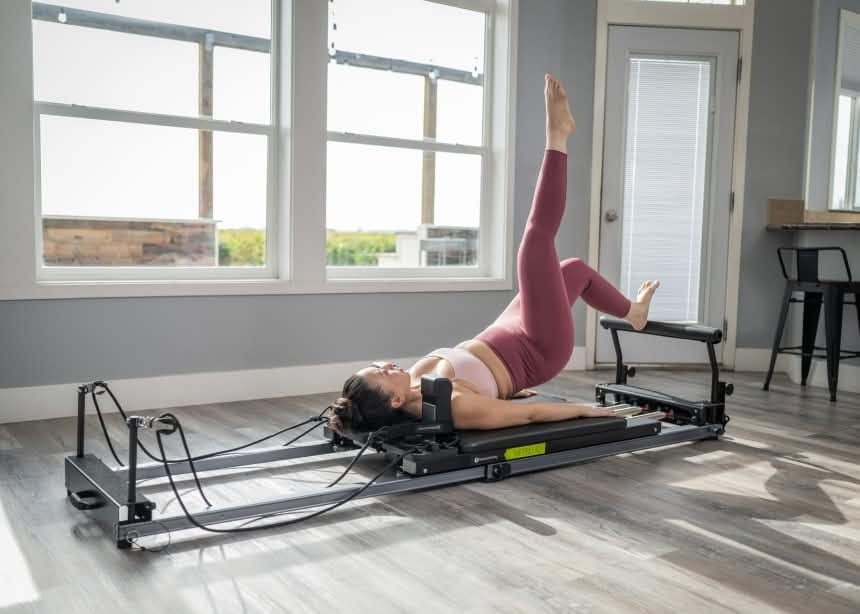
Most reformer problems trace to four causes: debris on the rails, worn carriage wheels, loose frame hardware, or fatigued springs. Working through those fo
-
Storing a reformer long term
For storage beyond a few weeks, release all spring tension, cover the machine to keep dust off the rails, and store it somewhere dry and temperature-stable
-
Caring for Pilates mats and props
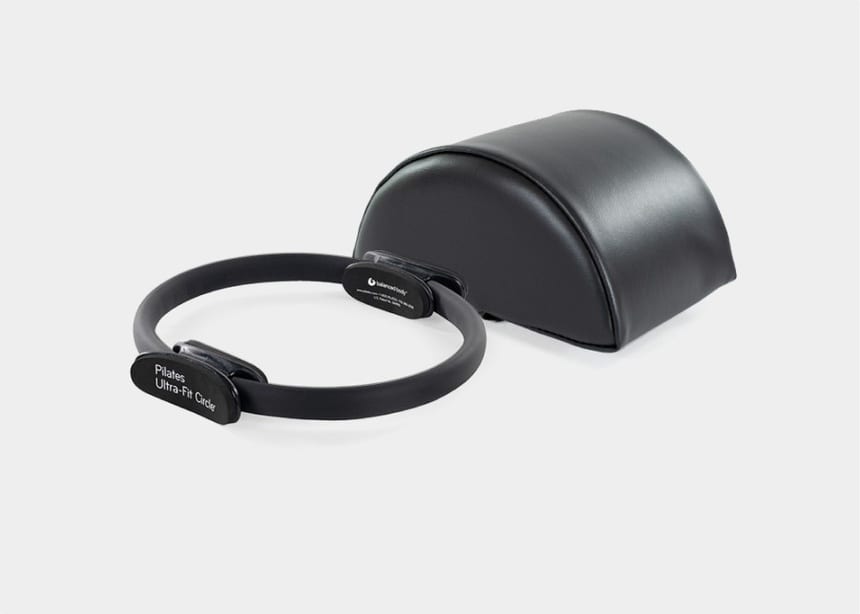
Clean Pilates mats with mild soap and water after use and dry them flat. Avoid alcohol and essential oils, both of which degrade closed-cell foam. Store ma
-

Annual reformer service checklist
An annual reformer service covers frame squareness, all fasteners, carriage wheels and rails, spring free lengths, rope and strap condition, footbar lock,
-
Making Pilates equipment last
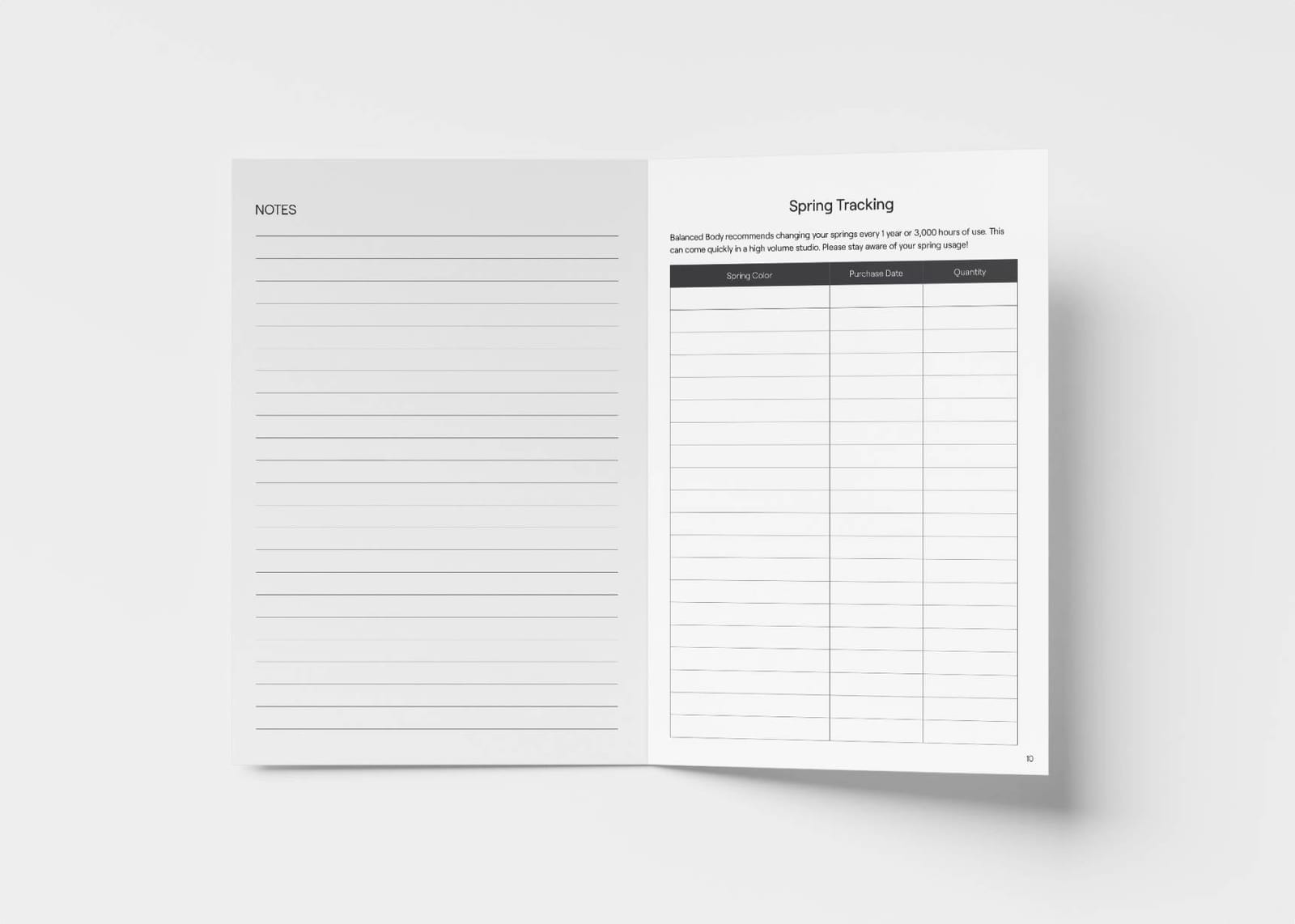
Equipment lifespan is decided by three things: keeping the rails clean, replacing wear parts before they fail, and stable environmental conditions. A machi
-
Humidity and Pilates equipment
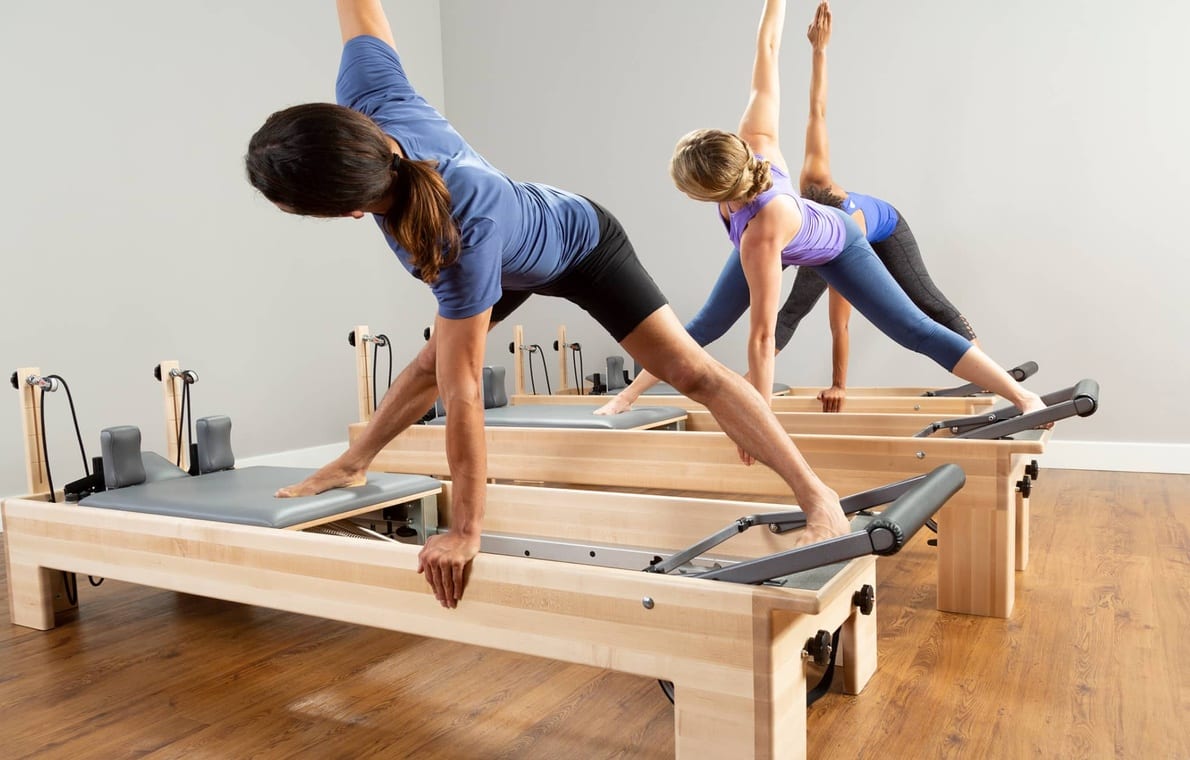
Pilates equipment is happiest between 40% and 60% relative humidity. Below that, hardwood frames dry and joints loosen; above it, springs and hardware corr
-
Pilates equipment safety checks
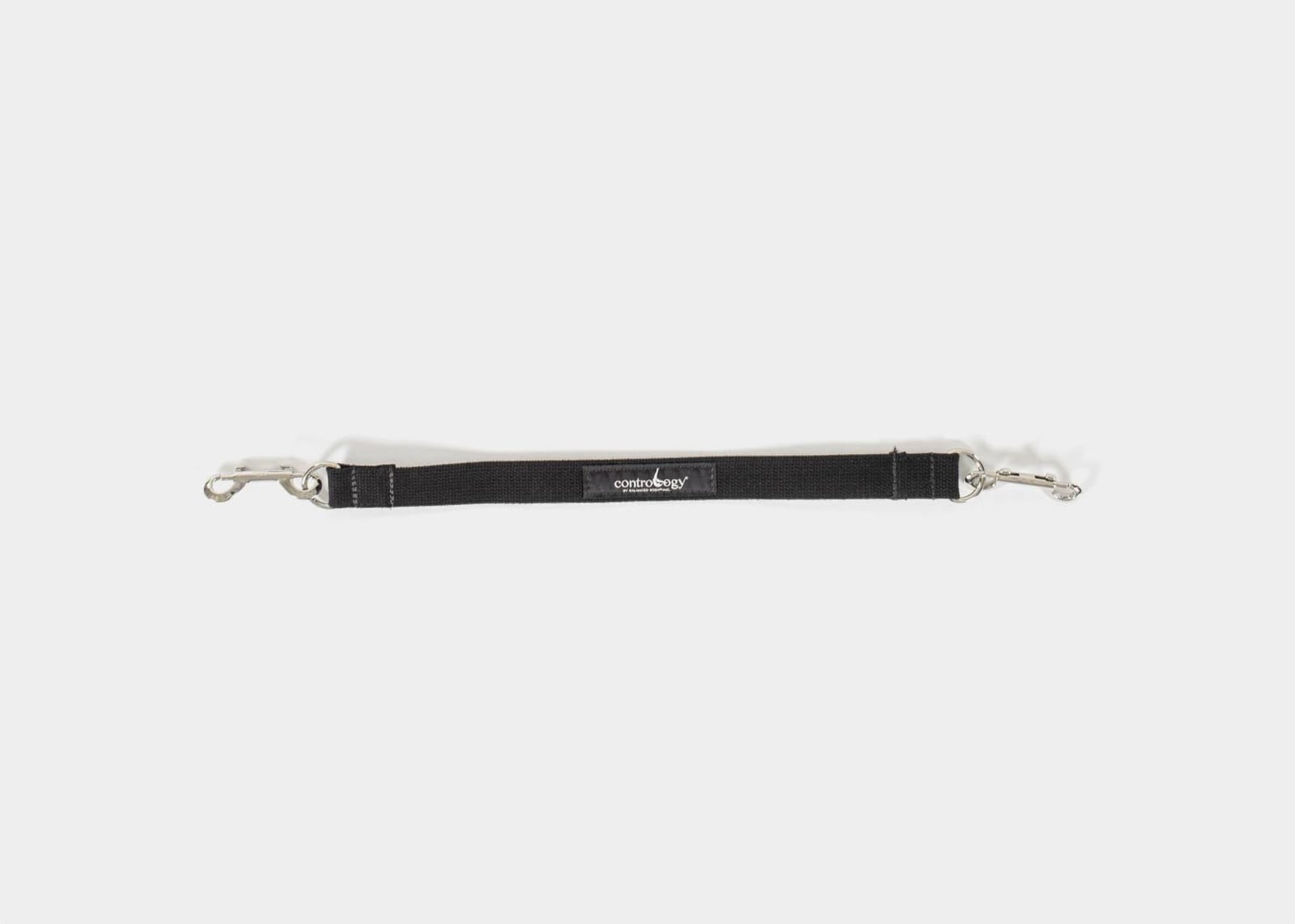
Before each session, check that springs are properly seated on both hooks, ropes show no fraying, the footbar is locked in position, shoulder rests are sec
-
Refurbishing an old reformer
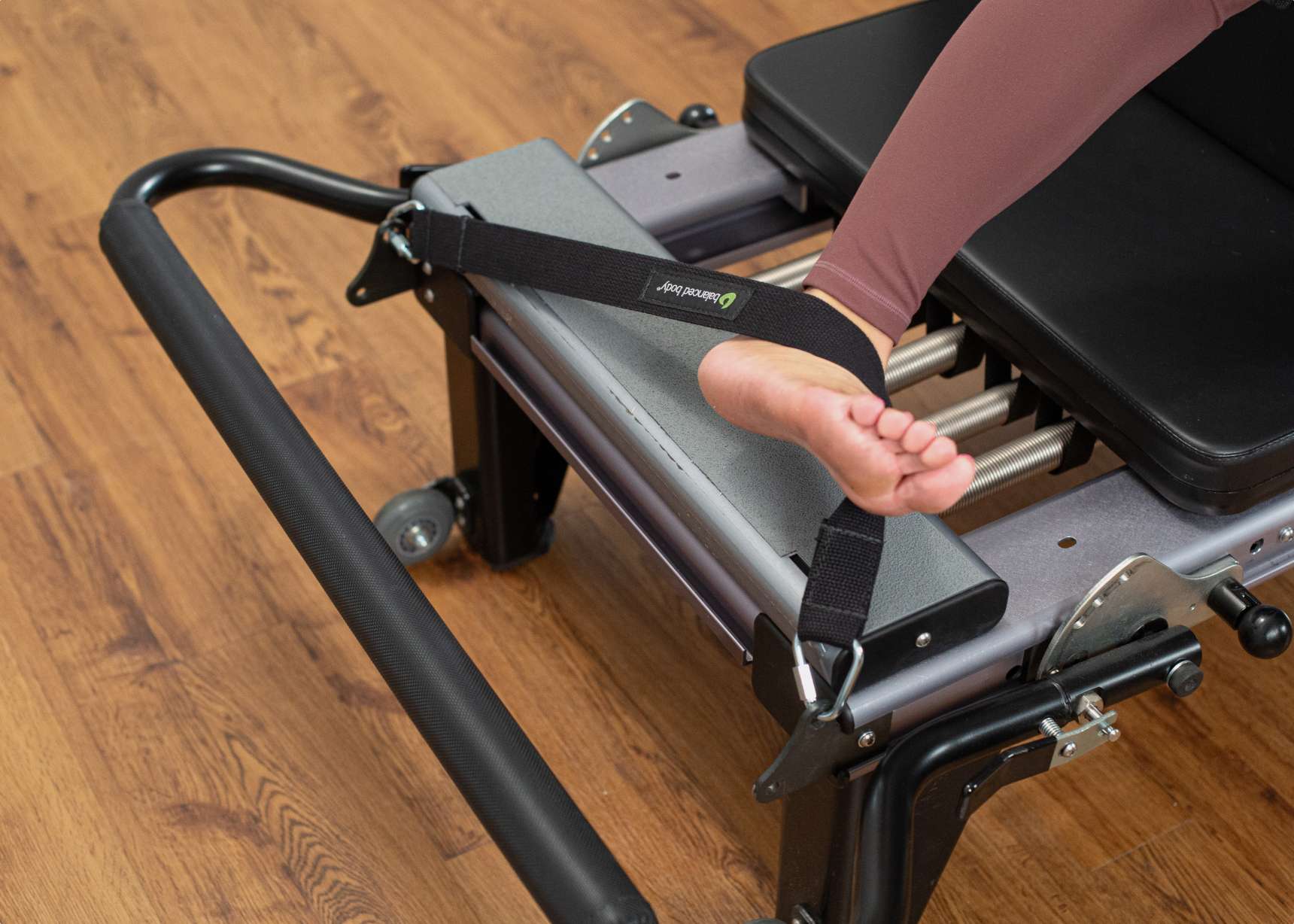
Refurbishing a reformer is worthwhile when the frame is square and parts are available. A full refresh — springs, ropes, wheels, upholstery and stoppers —
-
Seasonal care for home Pilates equipment
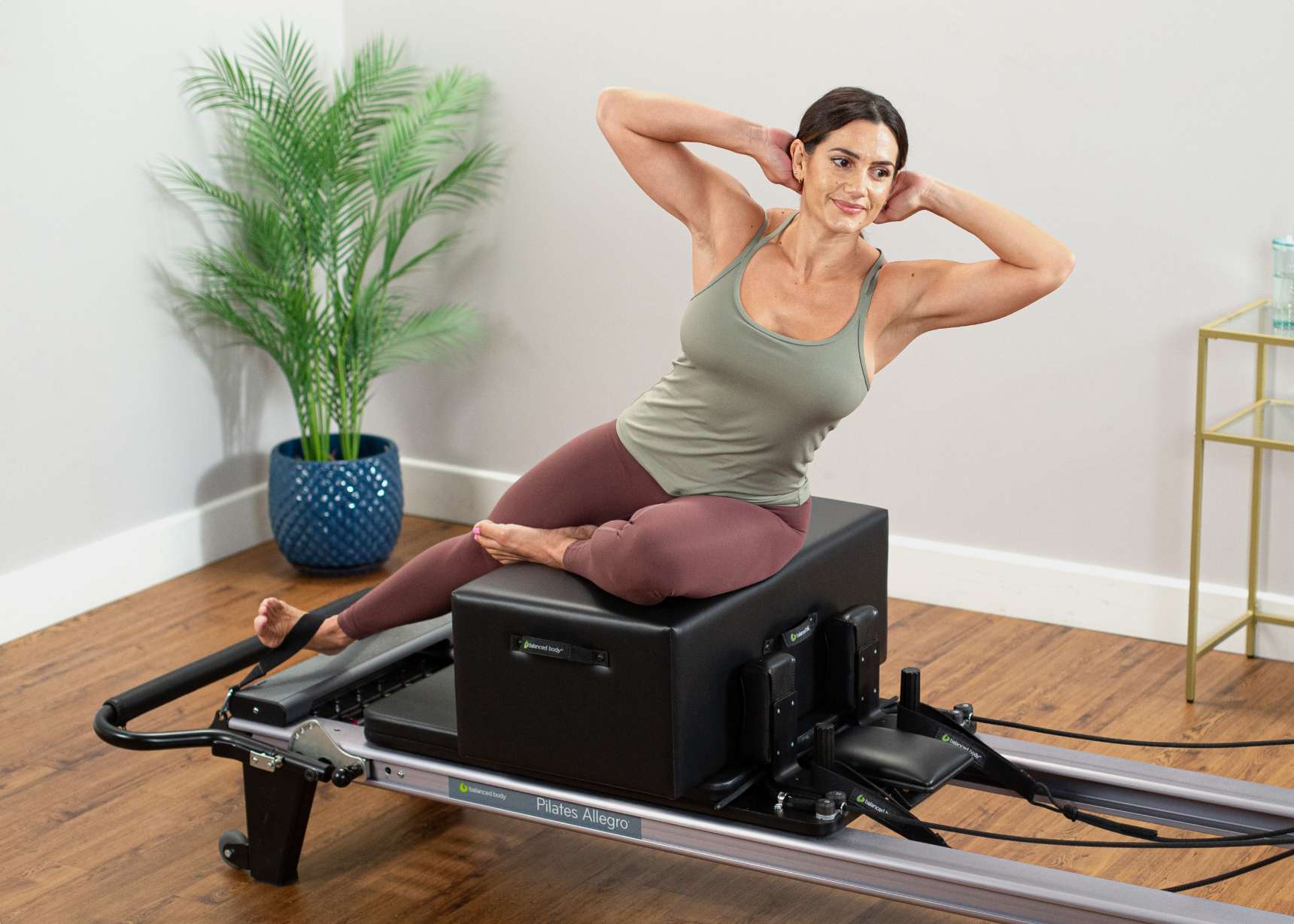
The seasonal risks are winter heating drying hardwood frames and loosening joints, and summer humidity or direct sun degrading upholstery and corroding spr
Equipment guides
-
How to choose a Pilates chair
Choose a Pilates chair on three things: split or solid pedal, handles or no handles, and spring attachment options. Split pedals allow unilateral work, han
-
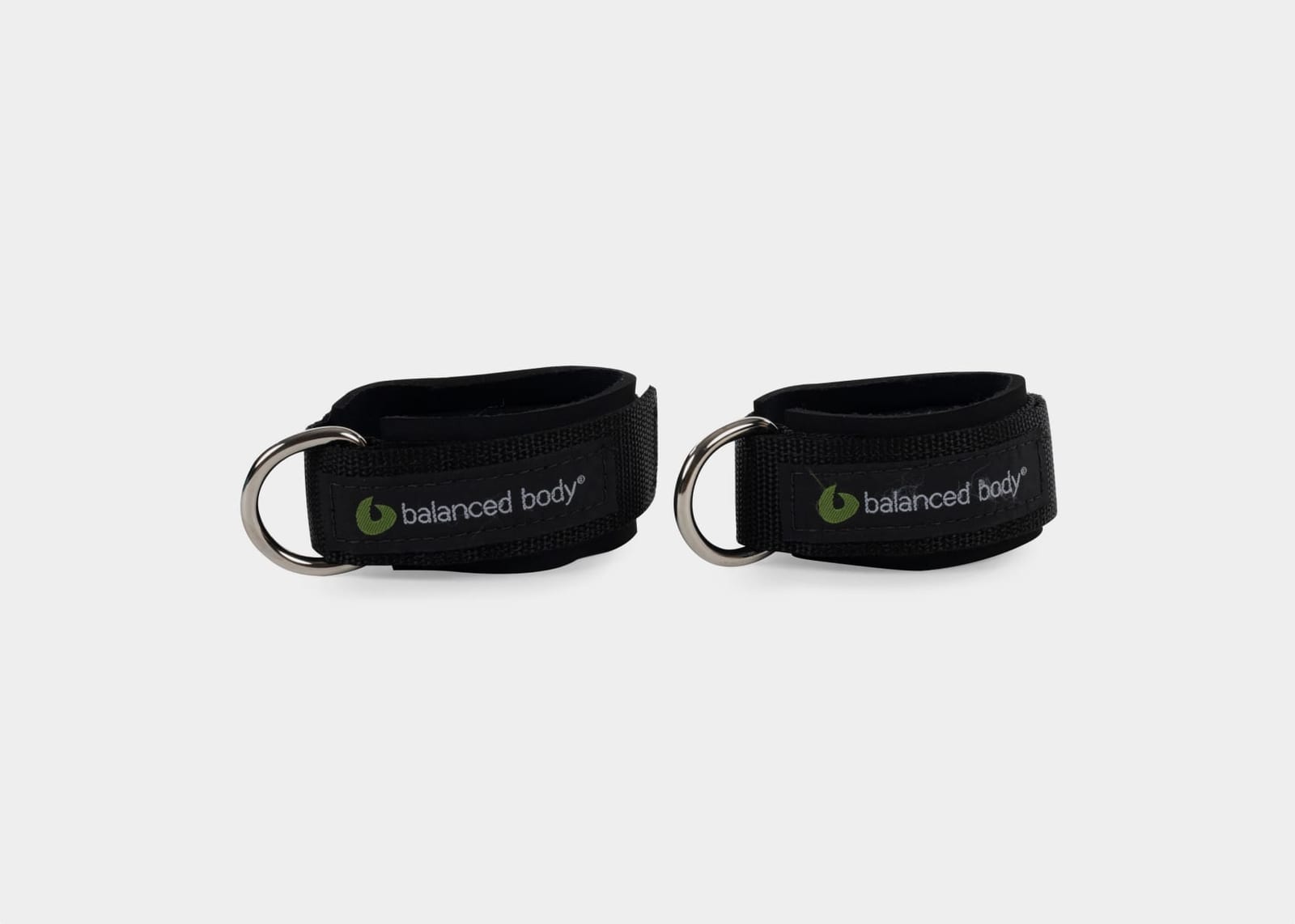
How to choose a Cadillac
A Cadillac needs about 8 ft × 3 ft of floor and 7 ft 6 in of ceiling. Choose on frame rigidity, the number of spring attachment points, and whether the tab
-
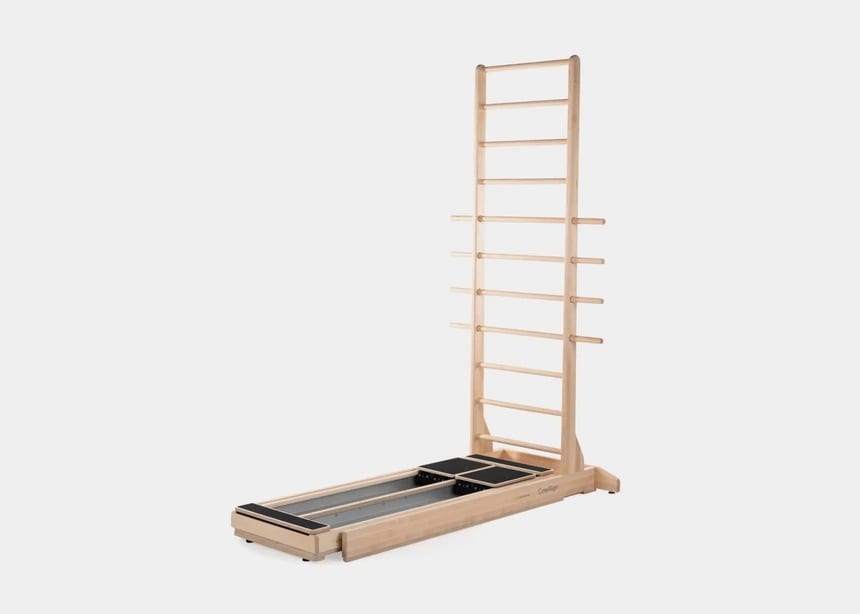
How to choose a ladder barrel
A ladder barrel should have an adjustable gap between the barrel and ladder to suit different leg lengths, a stable heavy base, and firm padding over the c
-
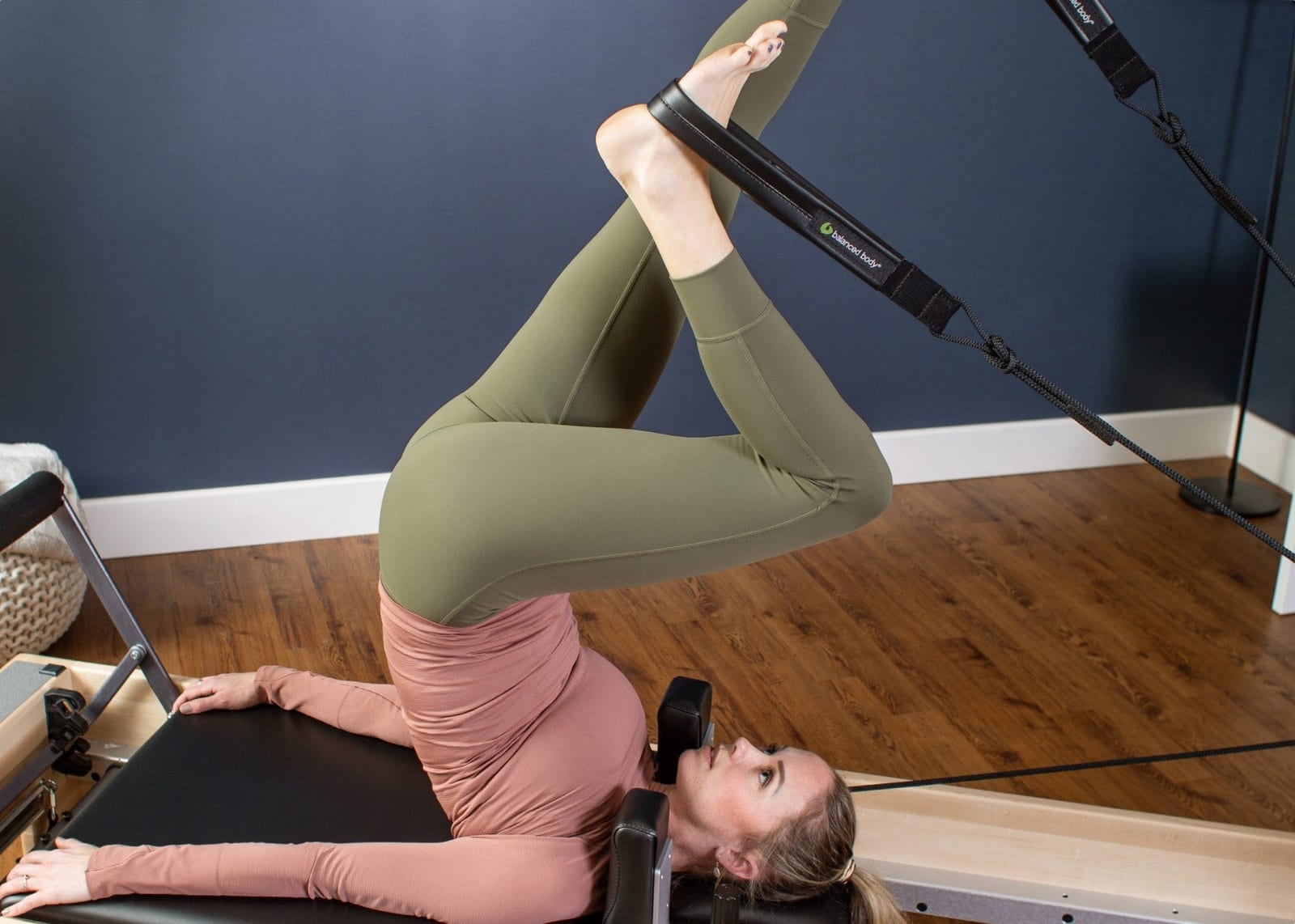
How to choose a reformer tower
A tower must be matched to your specific reformer — mounting points and frame stiffness are model-specific. Check ceiling height of 7 ft 6 in minimum, conf
-
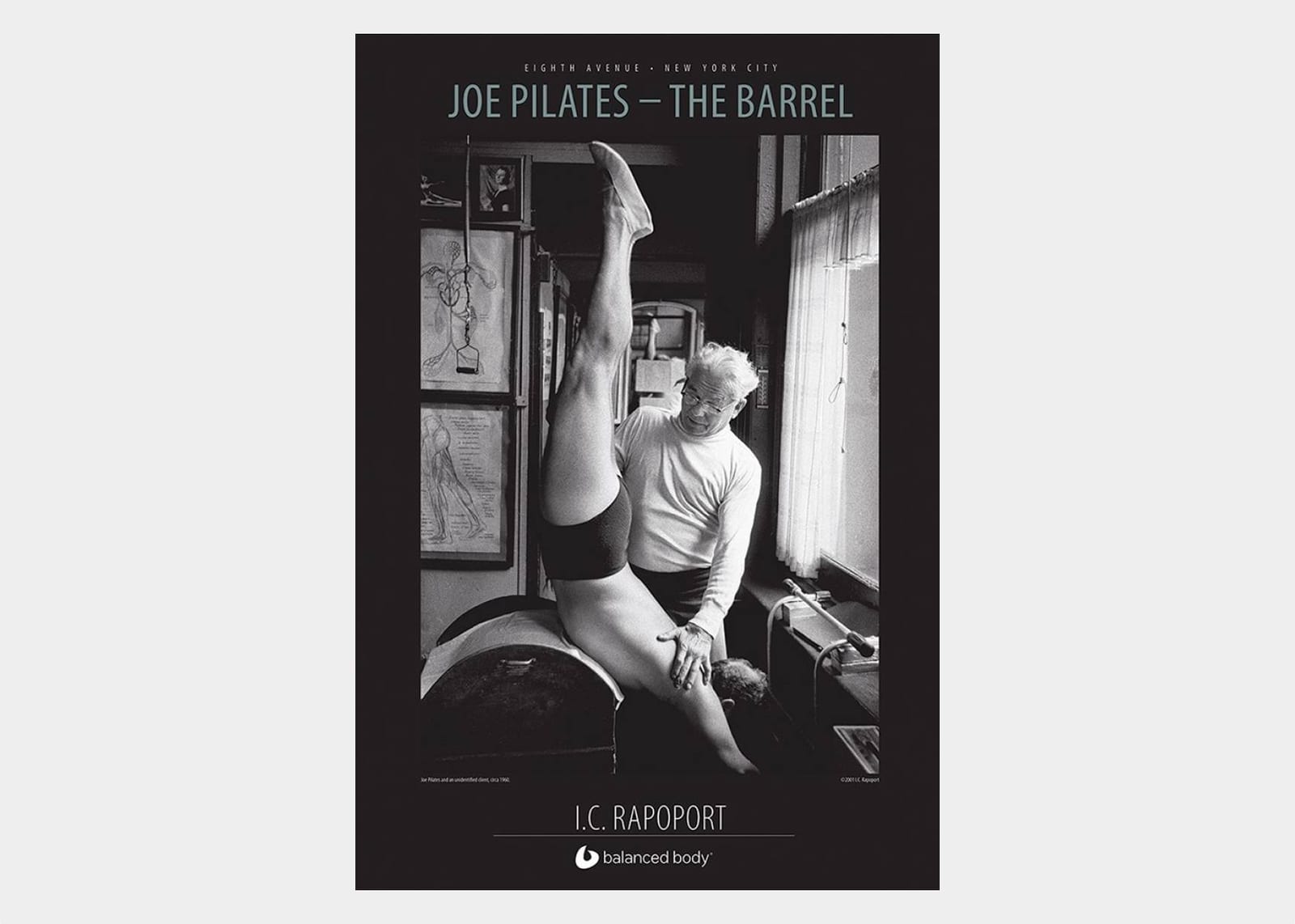
How to choose a spine corrector
Choose a spine corrector on curve depth and padding firmness. A deeper curve gives more extension but suits fewer people; firm padding holds its shape unde
-
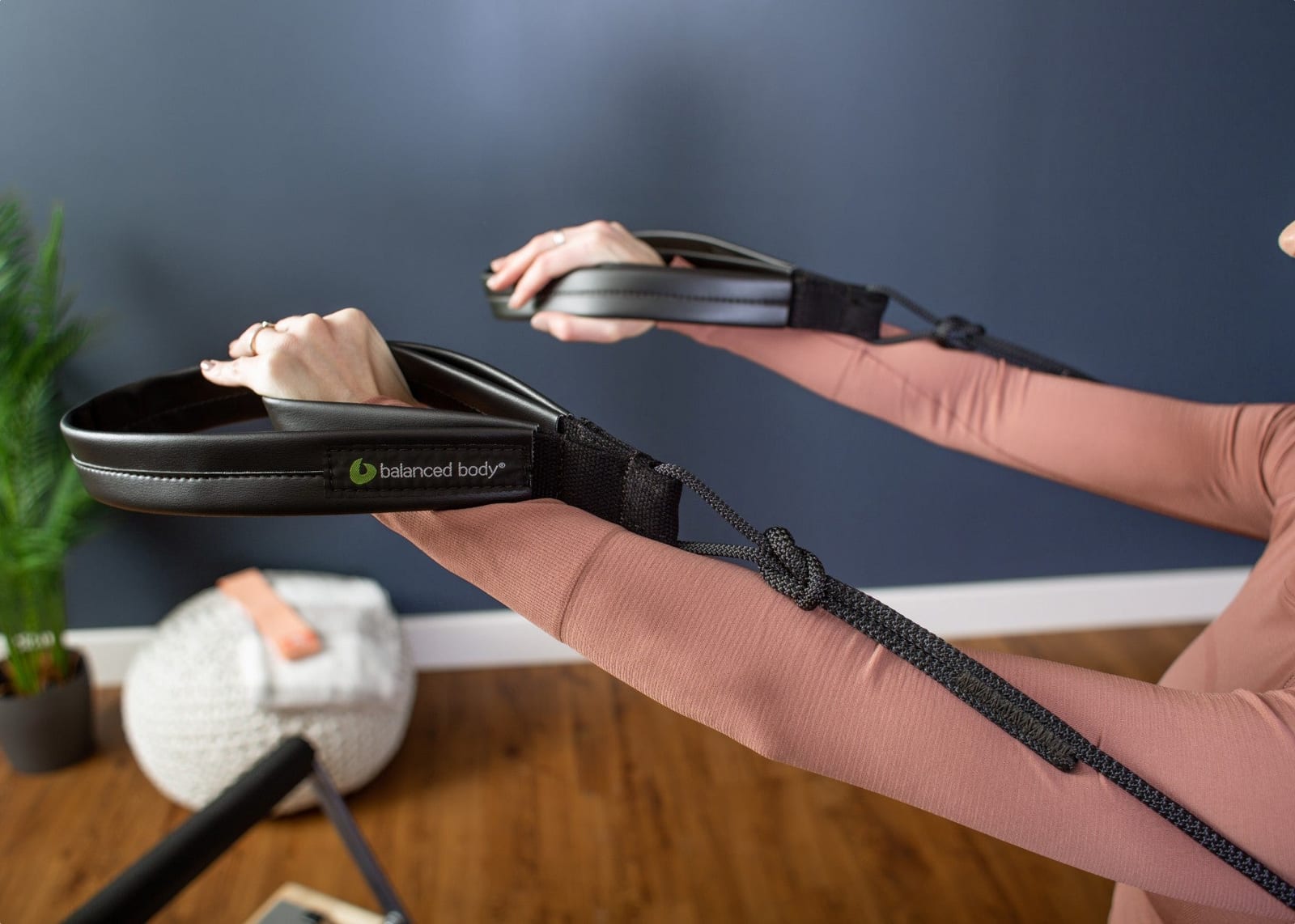
Comparing reformer brands
Compare reformers on published specifications, not brand reputation: frame material and section, bearing type, spring count and gradation, carriage travel,
-
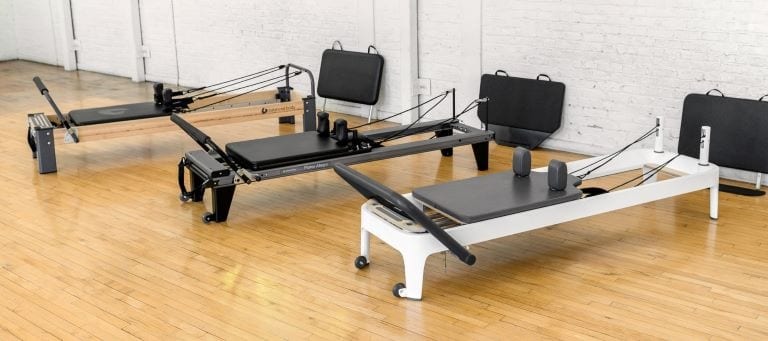
Understanding Pilates equipment warranties
Pilates equipment warranties are almost always tiered: lifetime on the frame, several years on mechanical parts, and one to two years on upholstery and spr
-

Pilates equipment for physical therapy clinics
Clinics need equipment that loads finely at the low end, supports clients who cannot stabilize independently, and adjusts fast between patients. A Cadillac
-
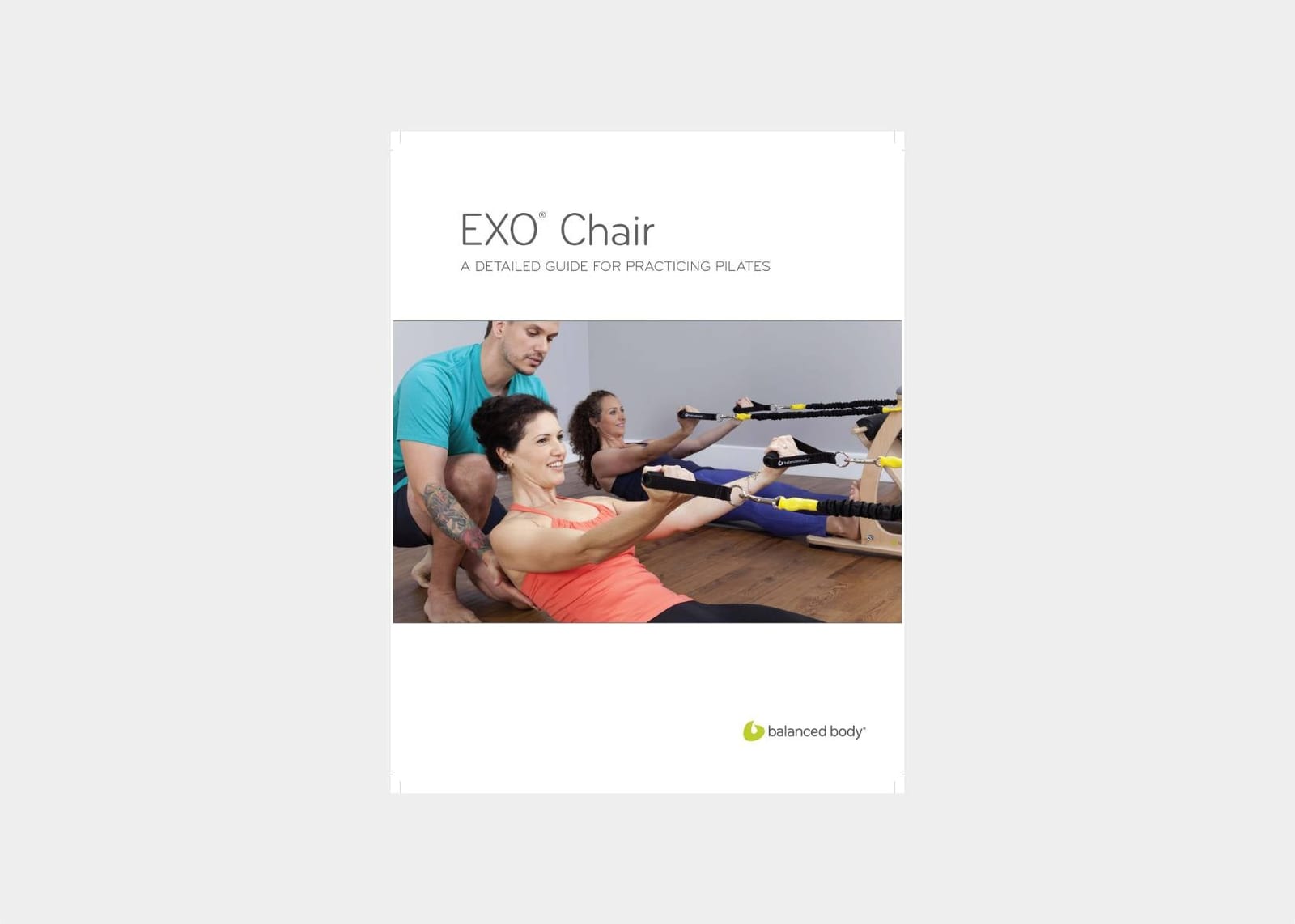
Building a complete Pilates equipment package
A complete Pilates setup is a reformer with tower, a chair, a spine corrector and a ladder barrel, plus a box, pole and mat. Bought in that order, each add
-
Choosing a reformer if you are tall
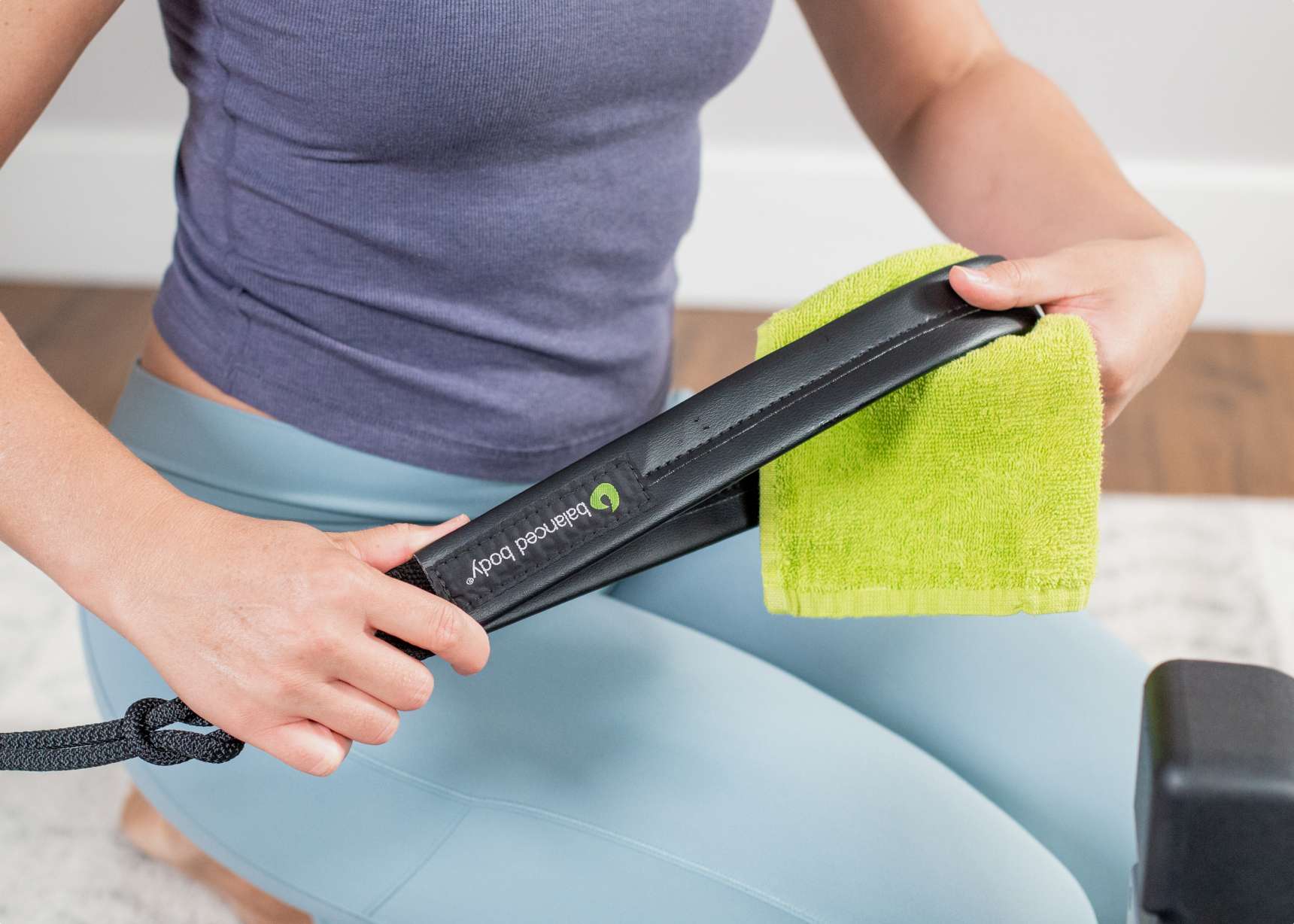
Taller users need carriage travel at the upper end of the range — 40–42 inches — and a lower footbar setting. Standard-length machines truncate leg extensi
-
Choosing a reformer if you are petite
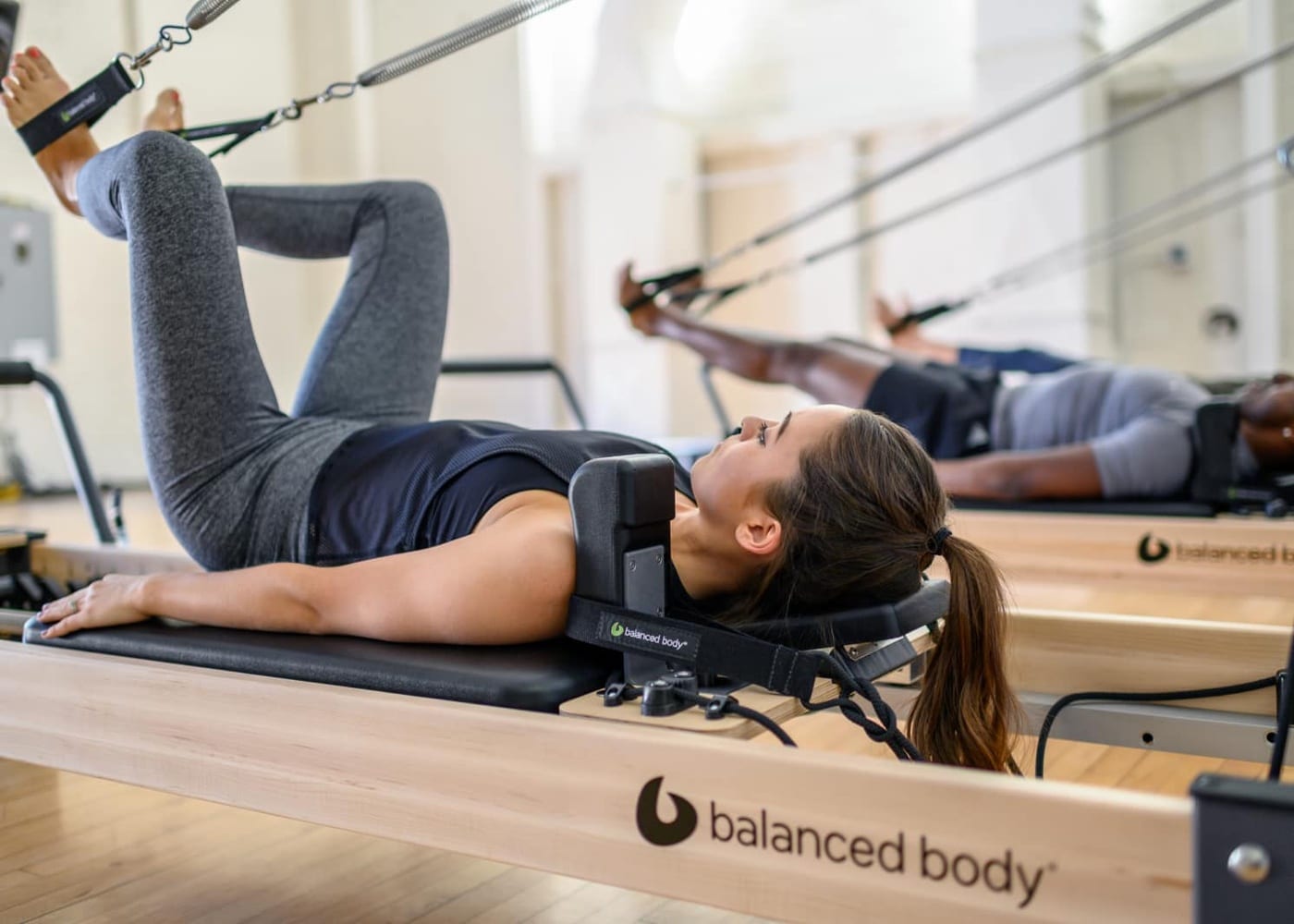
Shorter users need a high footbar setting, narrow shoulder rest spacing and rope adjustment that goes short enough. Carriage travel is rarely the limitatio
-

Paying for Pilates equipment
The practical routes to affording a reformer are buying at the quantity tier if you need more than one, buying a well-inspected used machine, or buying a l
-

Choosing a reformer for two different-sized users
A shared reformer needs fast, wide-range adjustment: a footbar with genuinely high and low settings, adjustable shoulder rests, quick rope adjustment, and
-
Reading carriage and rail specifications
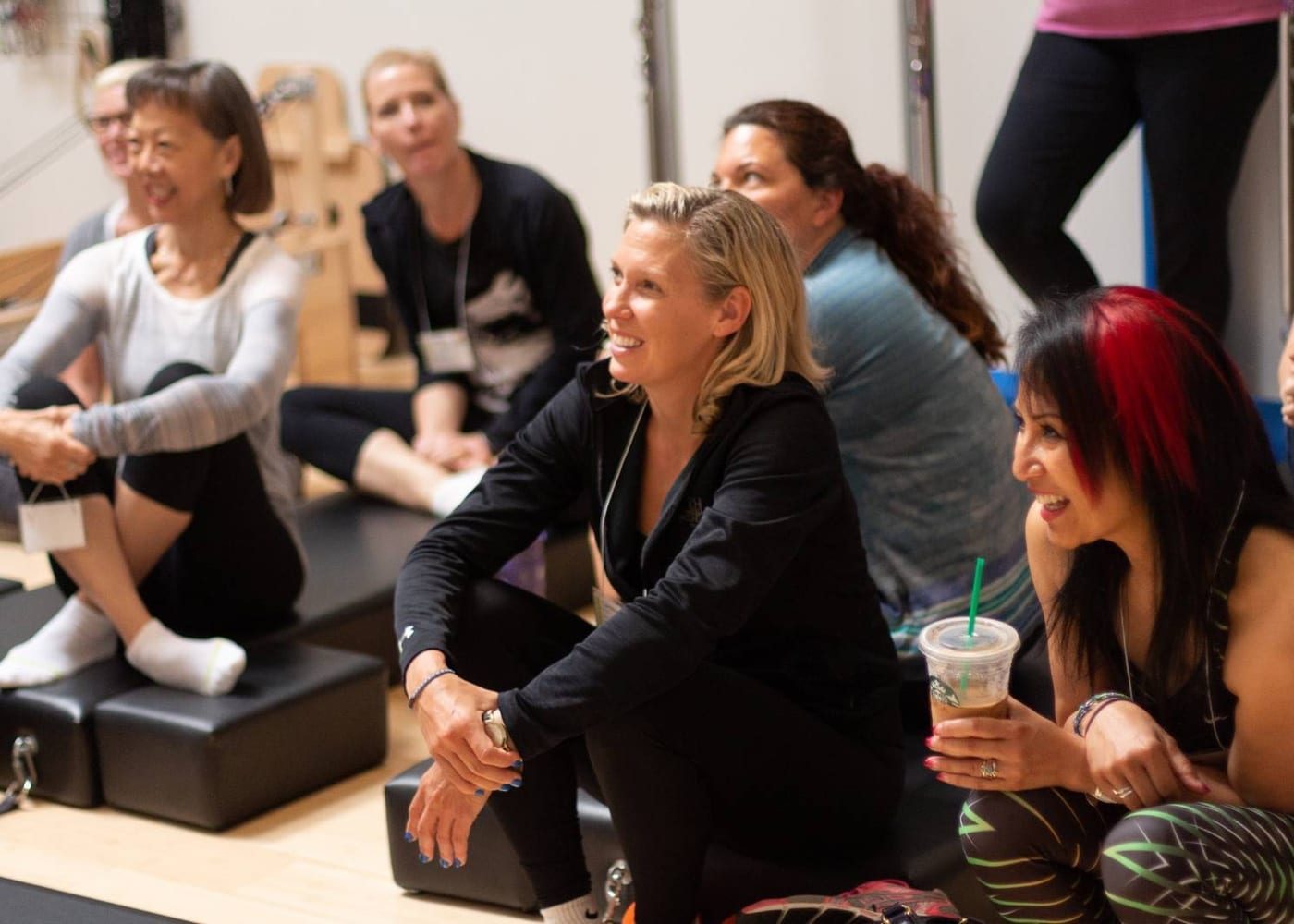
The carriage and rail specifications worth reading are bearing type, wheel count and material, rail material and finish, and carriage travel. Together they
-
Buying Pilates equipment online
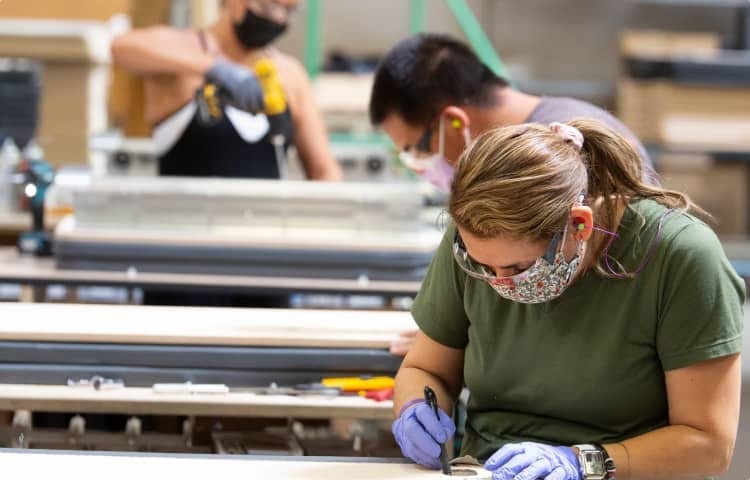
Before ordering online, confirm the published specifications, the delivery method and whether it reaches your room, the return policy on large freight item
-
Equipping a small Pilates studio
In under 600 sq ft, four to five reformers plus one chair is the practical maximum with usable circulation. Prioritize identical machines and vertical stor
Getting started
-

What is Pilates?
Pilates is a system of controlled, low-repetition exercises emphasizing core stability, precise alignment and breath. It is performed either on a mat using
-

What is a Pilates reformer?
A Pilates reformer is a frame with a sliding carriage connected to adjustable springs, plus a footbar, shoulder rests and ropes with handles. You push or p
-
The benefits of Pilates
The best-supported benefits of Pilates are improved core strength, balance, flexibility and reduced chronic low back pain. Claims about substantial weight
-

What to expect in your first Pilates class
Arrive ten minutes early, wear fitted clothing and grip socks, and expect to spend most of the class lying down. You will not be expected to know anything,
-

Pilates breathing technique
Pilates uses lateral or costal breathing — expanding the ribcage sideways on the inhale while keeping the abdominal wall engaged. Exhale usually accompanie
-

How often should you do Pilates?
Two sessions a week maintains, three progresses, and four or more gives diminishing returns unless intensity varies. Pilates fatigues small stabilizing mus
-
Pilates soreness and recovery
Pilates soreness typically appears in muscles you rarely load — deep abdominals, hip rotators, scapular stabilisers, inner thighs. It usually peaks 24–48 h
-
Pilates terminology explained
Pilates classes use a specific vocabulary — neutral spine, imprint, C-curve, powerhouse, articulation — that is rarely explained. Most of it describes prec
-
How to choose a Pilates studio
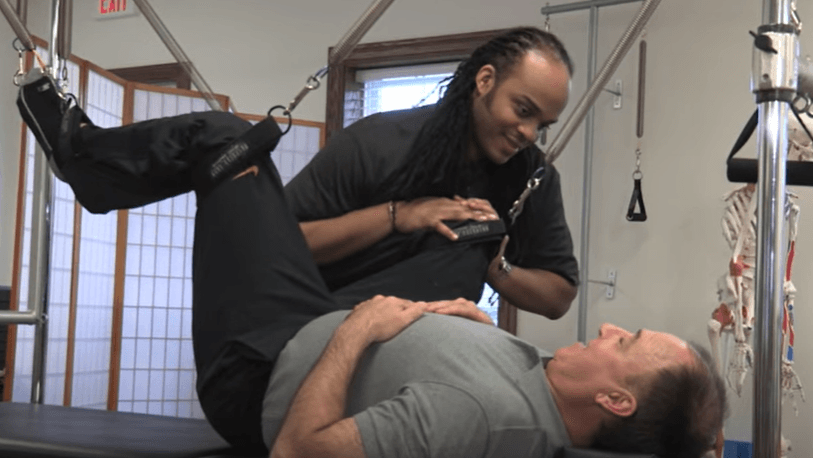
Judge a studio on class size, teacher qualification and equipment condition. Classes above ten make individual attention impossible, comprehensively certif
-

Are private Pilates sessions worth it?
Private sessions are worth the premium in three situations: your first three to six sessions, after any injury, and when progress has stalled. Outside thos
-
Pilates at home vs at a studio
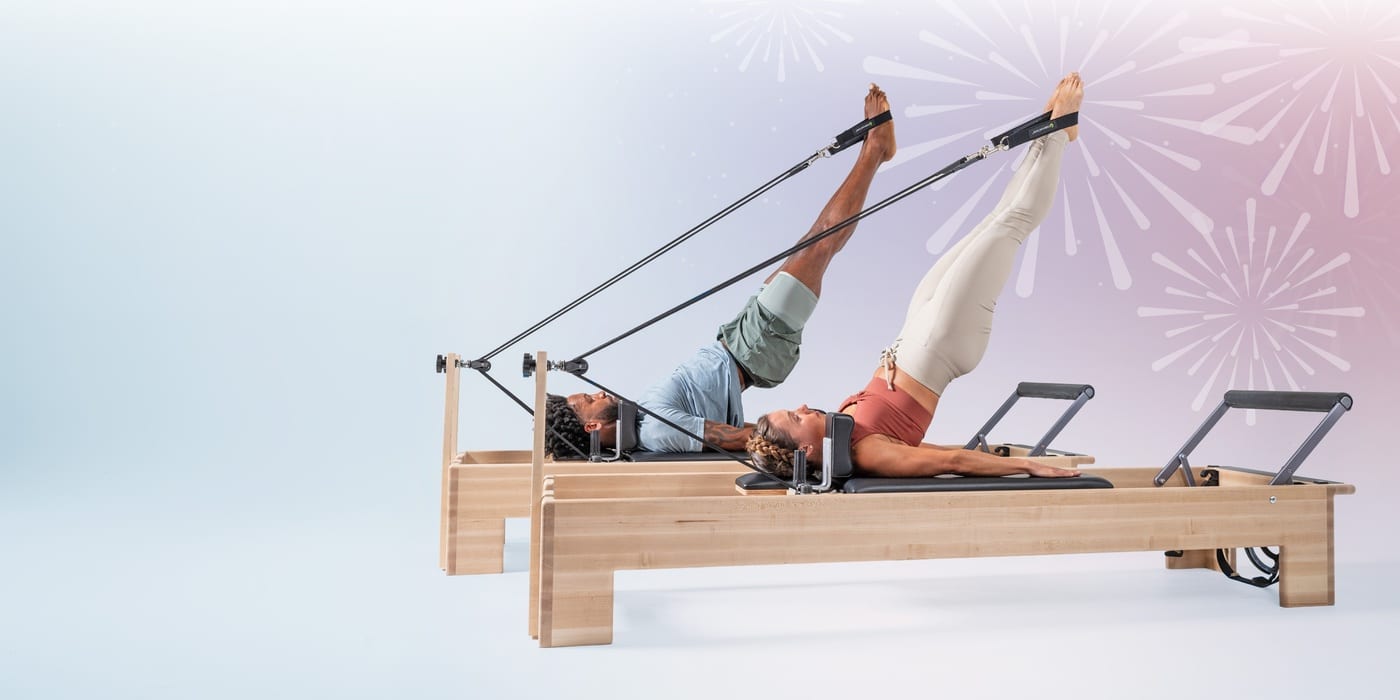
Studios give you feedback, community and equipment variety. Home gives you convenience and, past roughly two classes a week, a lower long-term cost. The st
-
Pilates myths worth retiring
The persistent myths are that Pilates is only for women, that it is easy, that it lengthens muscles, that it is only stretching, and that you need to be fl
-

Classical vs contemporary Pilates
Classical Pilates follows Joseph Pilates’ original repertoire and order closely. Contemporary Pilates adapts it using modern biomechanics and rehabilitatio
-
How long until you see results from Pilates?
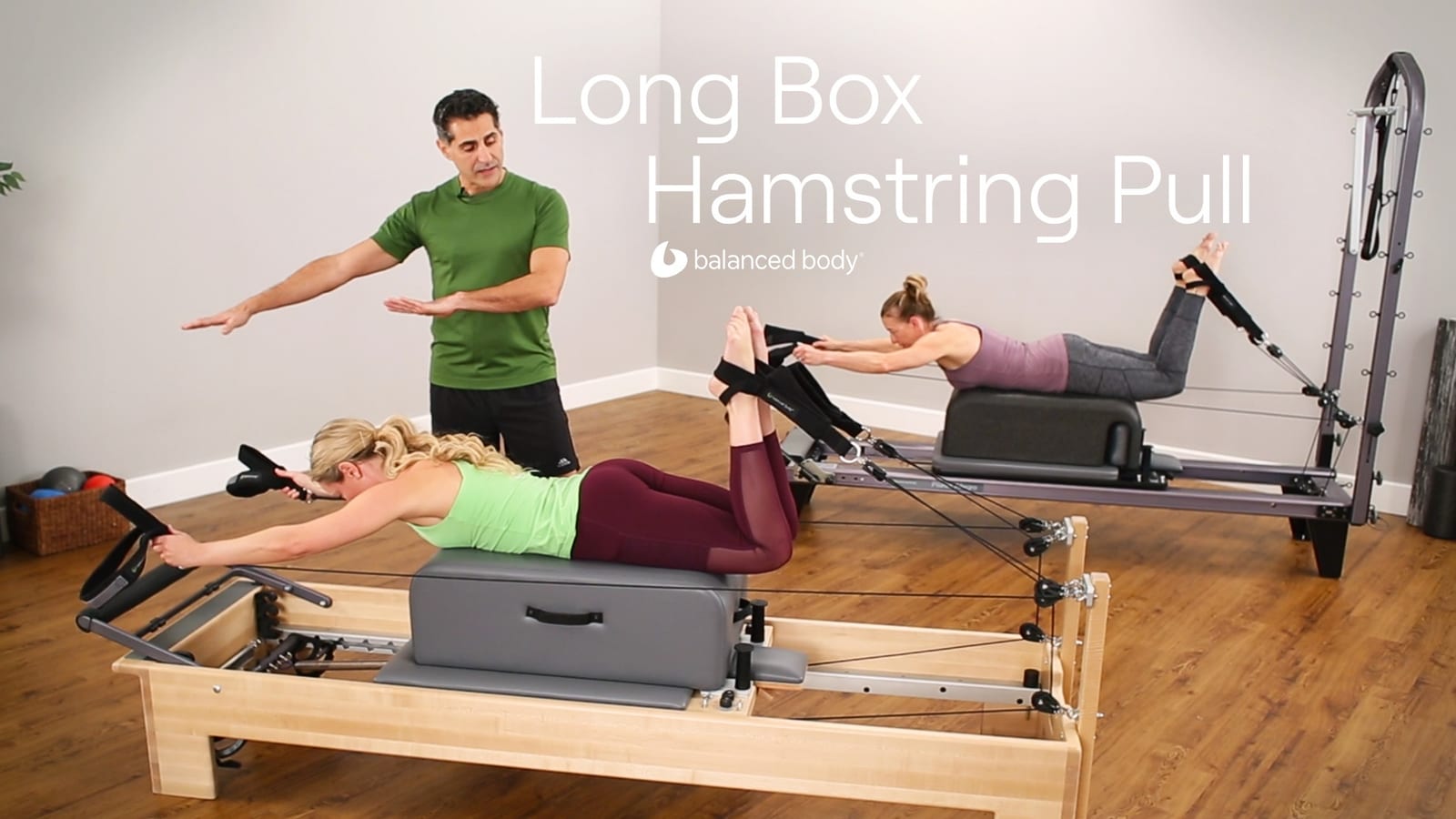
Expect to feel different within three to four weeks, notice changes in strength and posture at six to eight weeks, and see visible body composition change
-
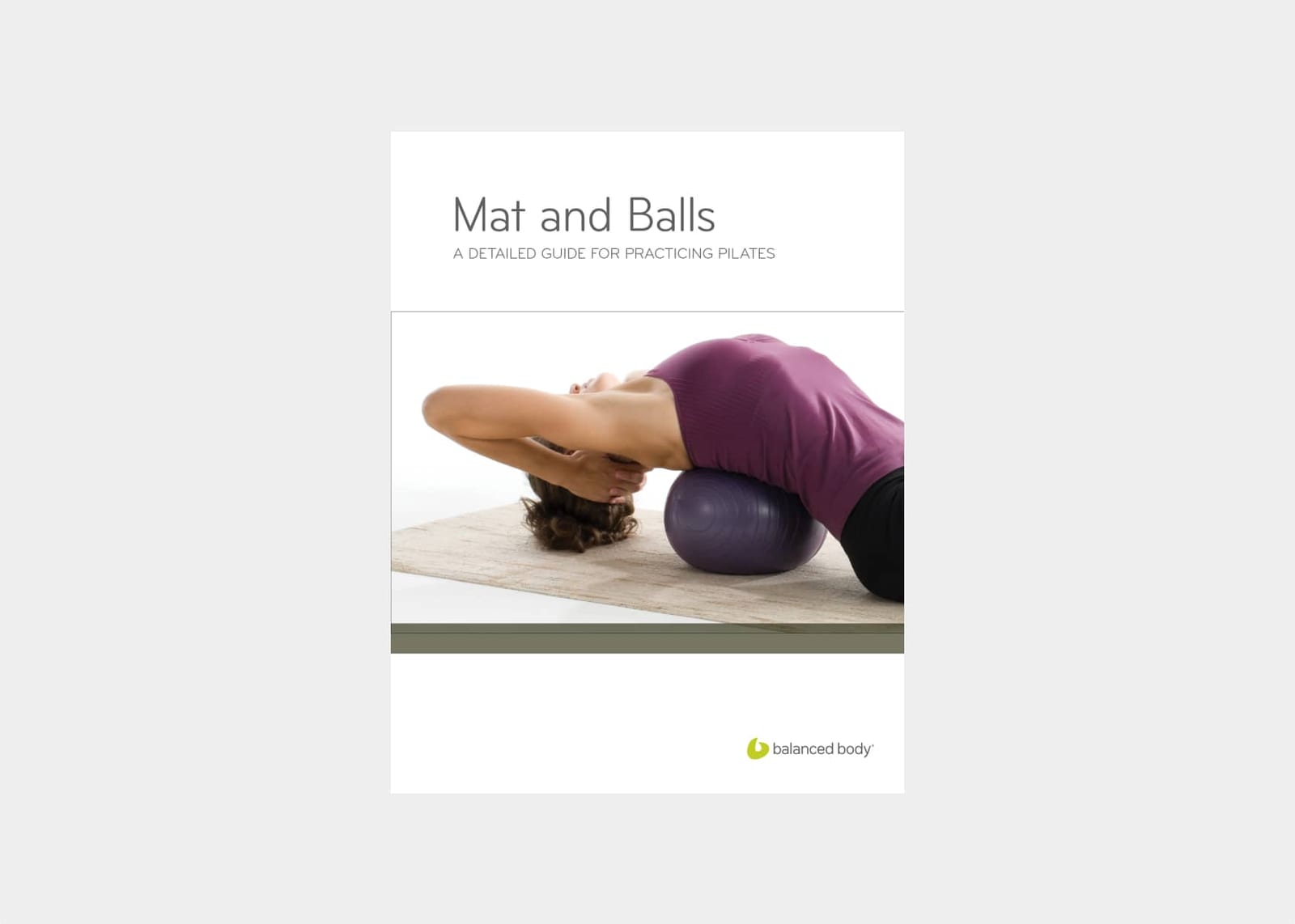
Pilates for complete beginners
Start with three to six supervised sessions — private or a genuine beginner course — before joining general classes. The reformer is usually a better entry
-
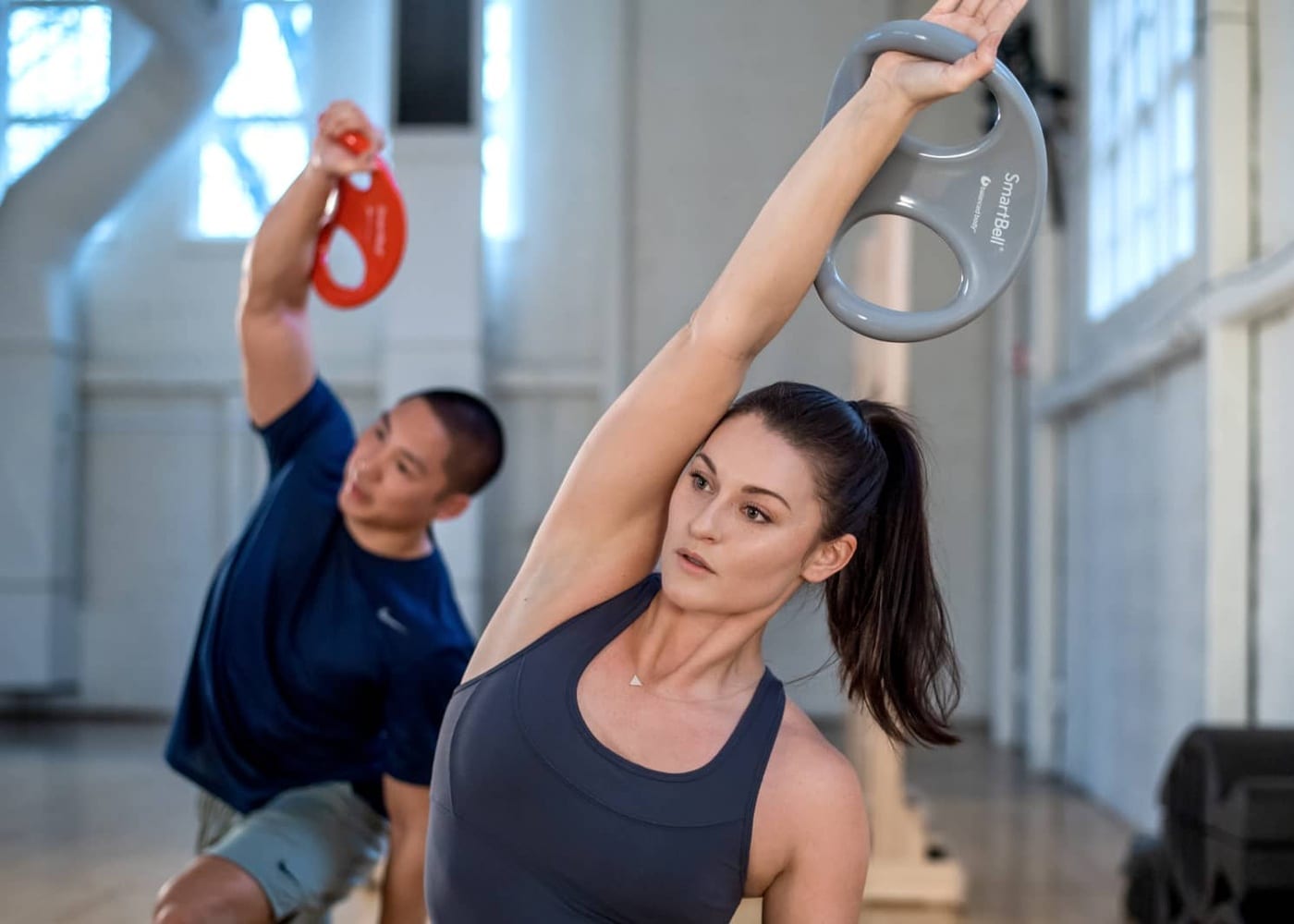
Pilates equipment names explained
The main Pilates apparatus are the reformer, Cadillac (or trapeze table), Wunda chair, ladder barrel, spine corrector and tower. Several have more than one
Mechanics & specs
-

Pilates reformer springs explained
Reformer springs provide resistance that increases as they stretch. Most machines carry four or five springs in two to four tension grades, color-coded by
-
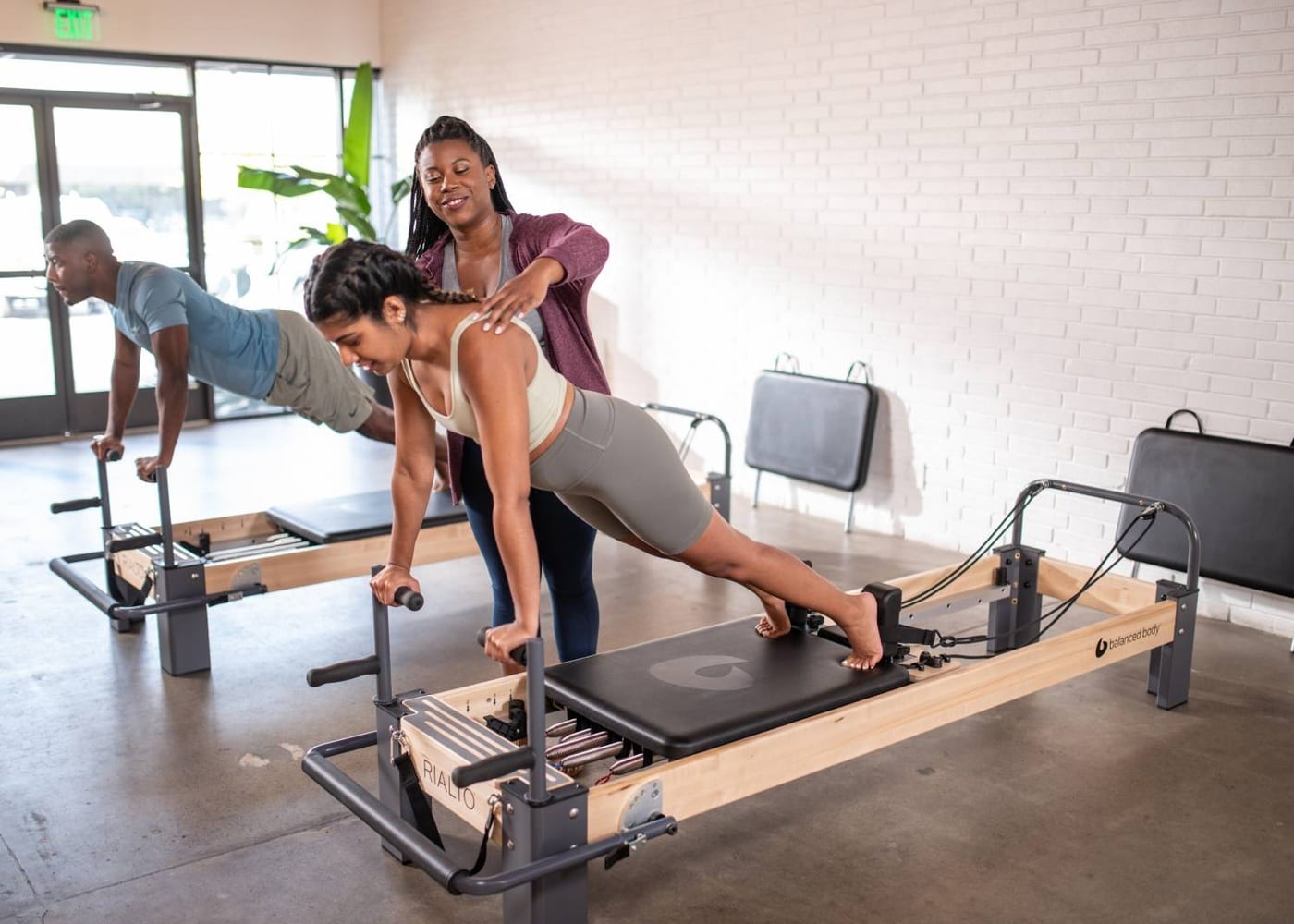
Reformer carriage bearings and glide
Carriage glide is determined by bearing type and rail finish. Sealed precision bearings on machined rails stay quiet and free for years; unsealed bushings
-
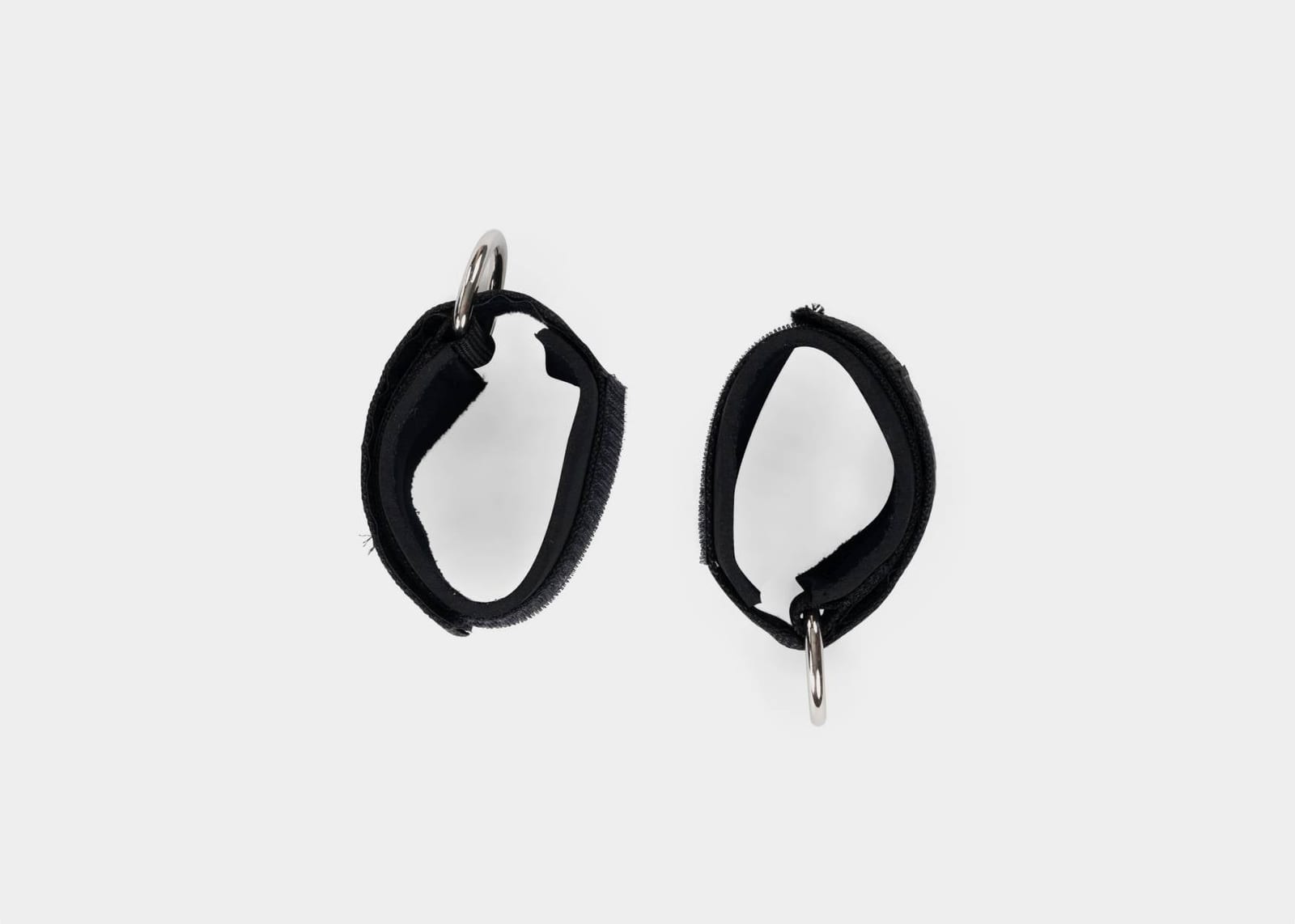
Reformer footbar positions
A reformer footbar adjusts in height and sometimes angle to suit different leg lengths and exercises. Three to four positions is standard. The adjustment m
-
Reformer ropes and risers
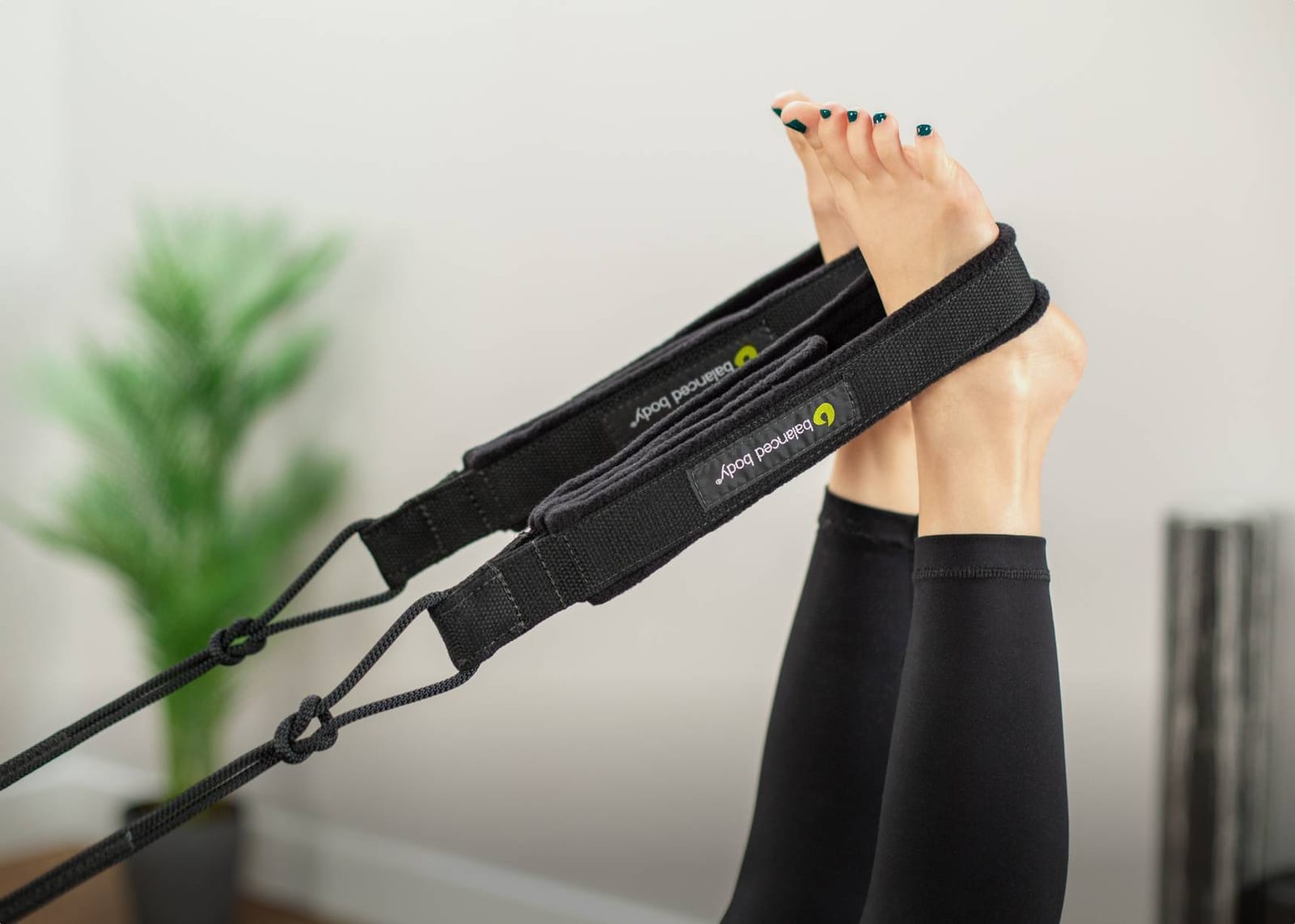
Rope length should be set so that with arms extended in the starting position, the carriage sits at its home position with the springs just taut. Risers ch
-
Reformer carriage travel length
Carriage travel is how far the carriage moves from home to full extension — typically 36 to 42 inches on a full-size reformer. Shorter travel limits leg ex
-

Reformer upholstery materials
Reformer upholstery is typically marine-grade or commercial vinyl over high-density foam. What matters is foam density — low-density foam compresses perman
-
Reformer shoulder rests
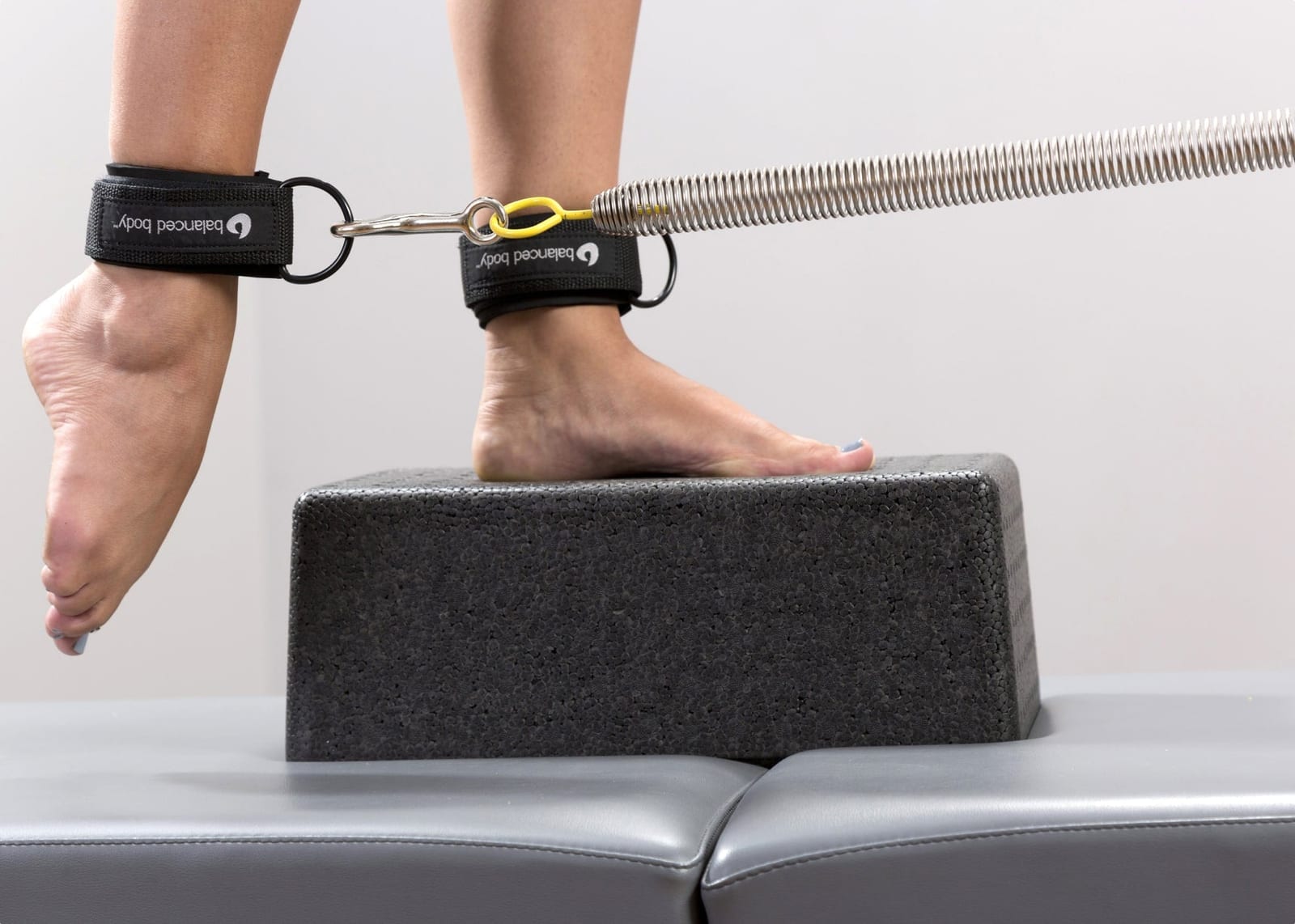
Shoulder rests stop the body sliding up the carriage under spring load. They should sit against the shoulders without pressing into the neck, and adjustabl
-
Reformer gear bars and carriage stoppers
The gear bar is the anchor the springs attach to at the foot end. Its position sets baseline spring tension at the carriage home position. Carriage stopper
-
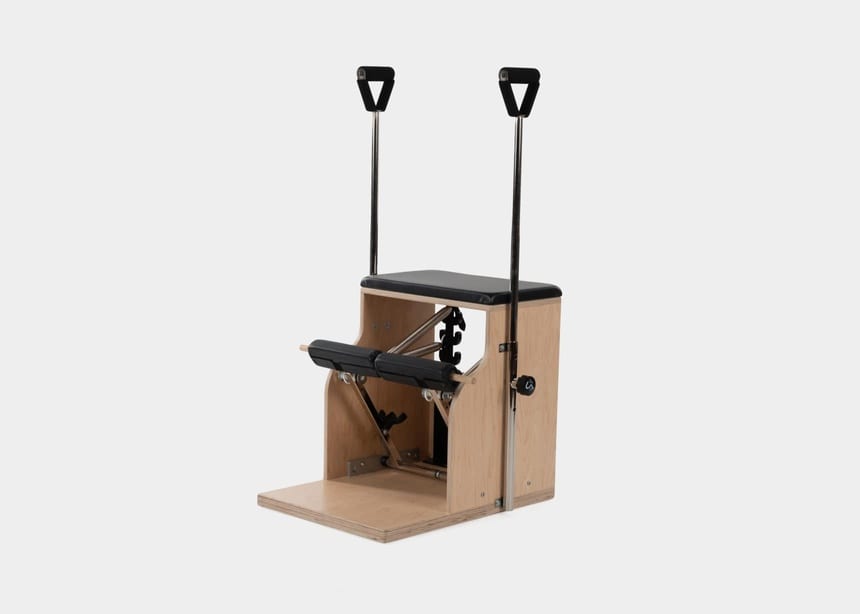
How a Pilates chair works
A Pilates chair uses a spring-loaded pedal hinged at the base of a compact box. Spring attachment position sets resistance and the direction of assistance.
-
Cadillac and trapeze table components
A Cadillac combines a padded table with a four-post overhead frame carrying a push-through bar, roll-down bar, trapeze, and leg and arm springs. Each compo
-
Reformer jumpboard mechanics
A jumpboard replaces the footbar with a flat padded surface, letting you jump horizontally against spring resistance while lying supine. Because you are ho
-
Reading spring tension charts
Spring rate is measured in pounds per inch — how much force it takes to stretch the spring one inch. It is the only figure that compares meaningfully acros
-
Judging reformer frame joinery
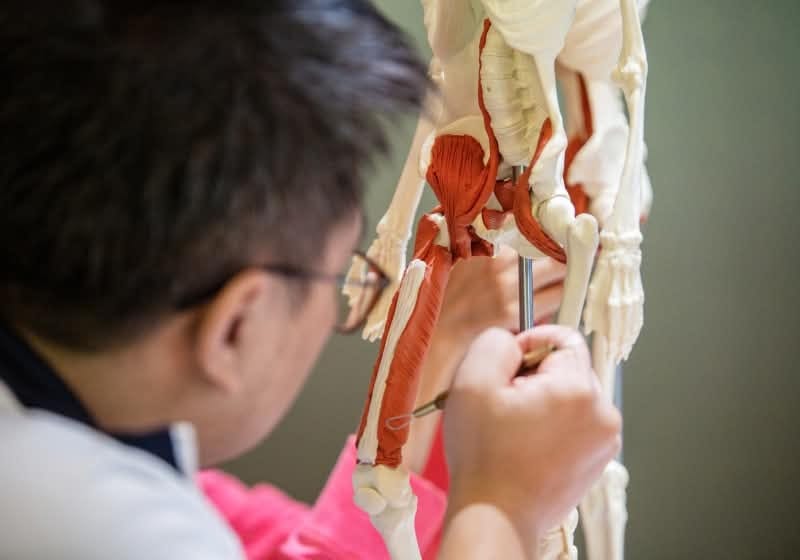
Judge a reformer frame by how the rails meet the uprights. Mechanical joints — mortise and tenon in hardwood, welded or gusseted corners in metal — hold th
-
Pilates barrel types explained
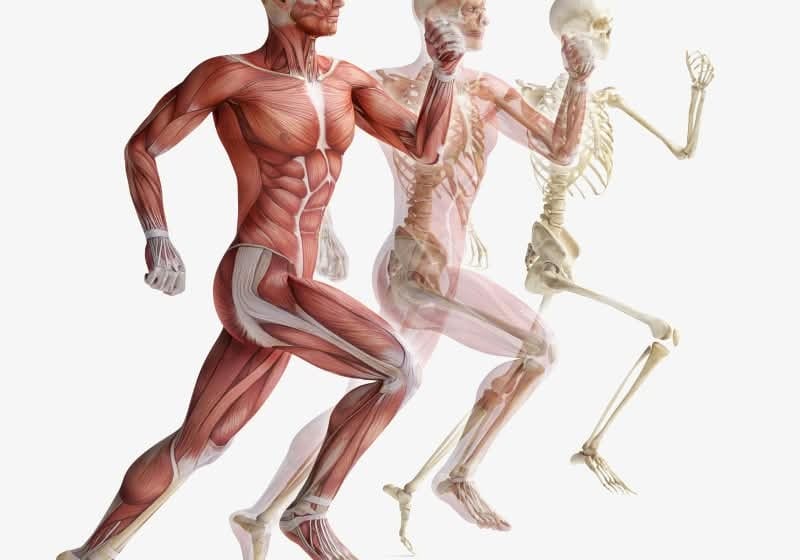
There are three common barrels. The ladder barrel is a tall standalone apparatus for spinal extension and side-bending; the step barrel or spine corrector
Space & setup
-
How much space do you need for a Pilates reformer?
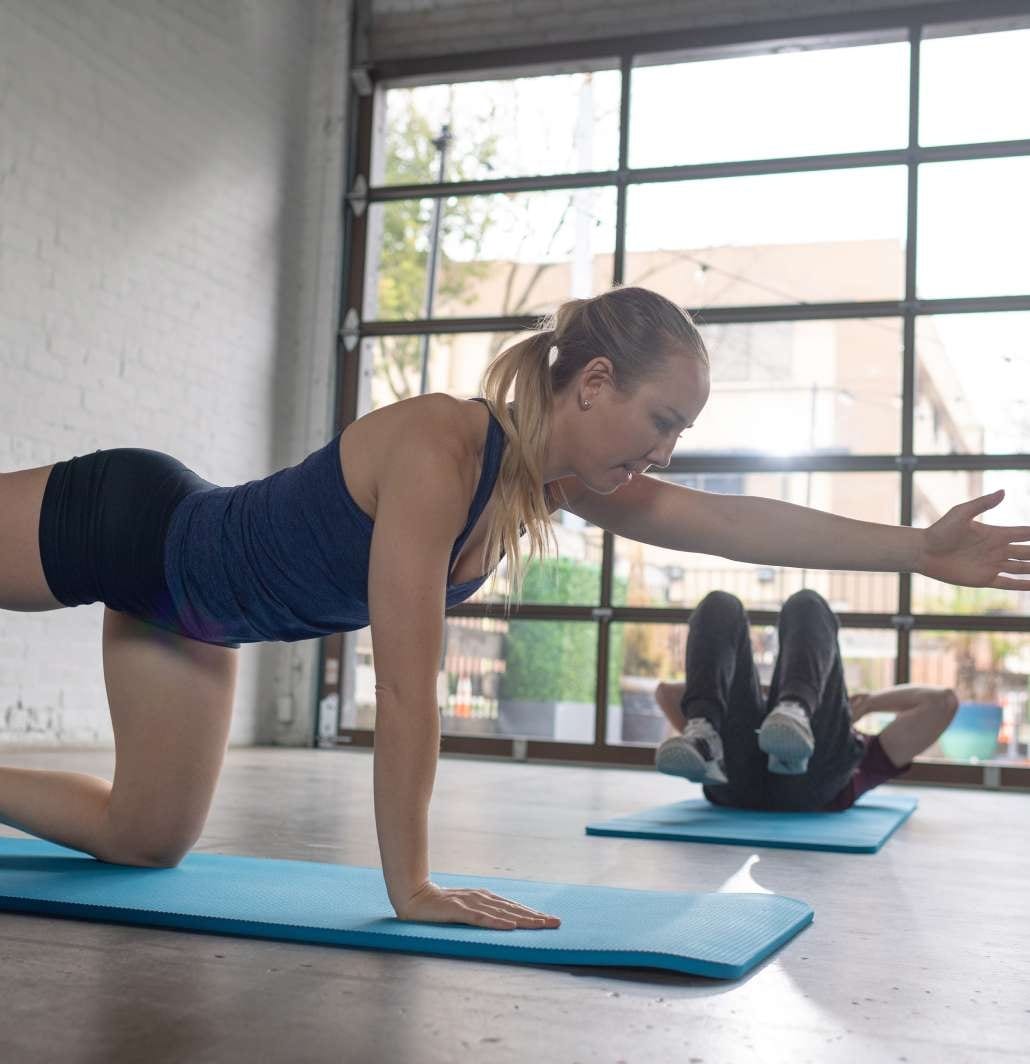
A Pilates reformer is roughly 8 ft long and 2 ft 3 in wide, but you need a working area of about 10 ft × 6 ft. That allows carriage travel clearance at the
-
Setting up a home Pilates studio
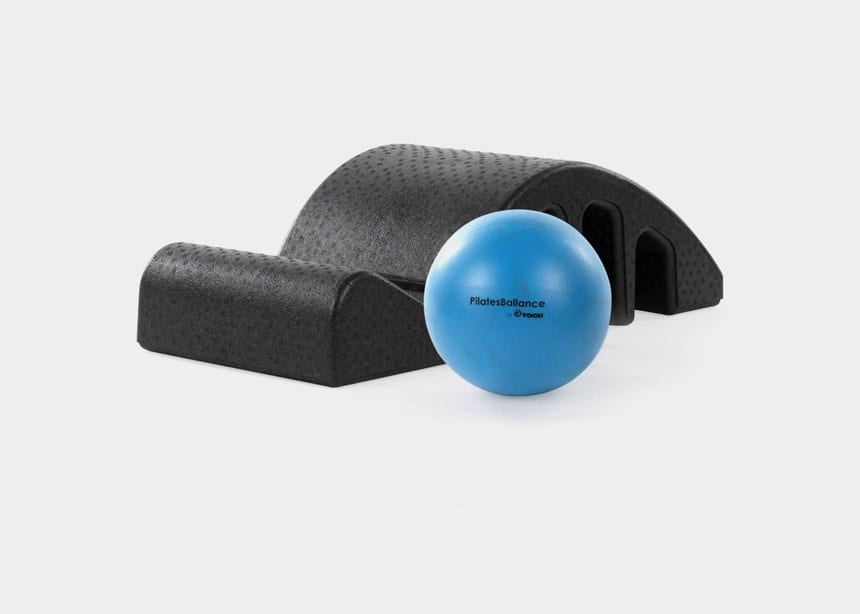
A functional home Pilates studio needs about 10 ft × 12 ft, a level floor, one clear wall, and enough light to see your alignment. Start with a reformer an
-
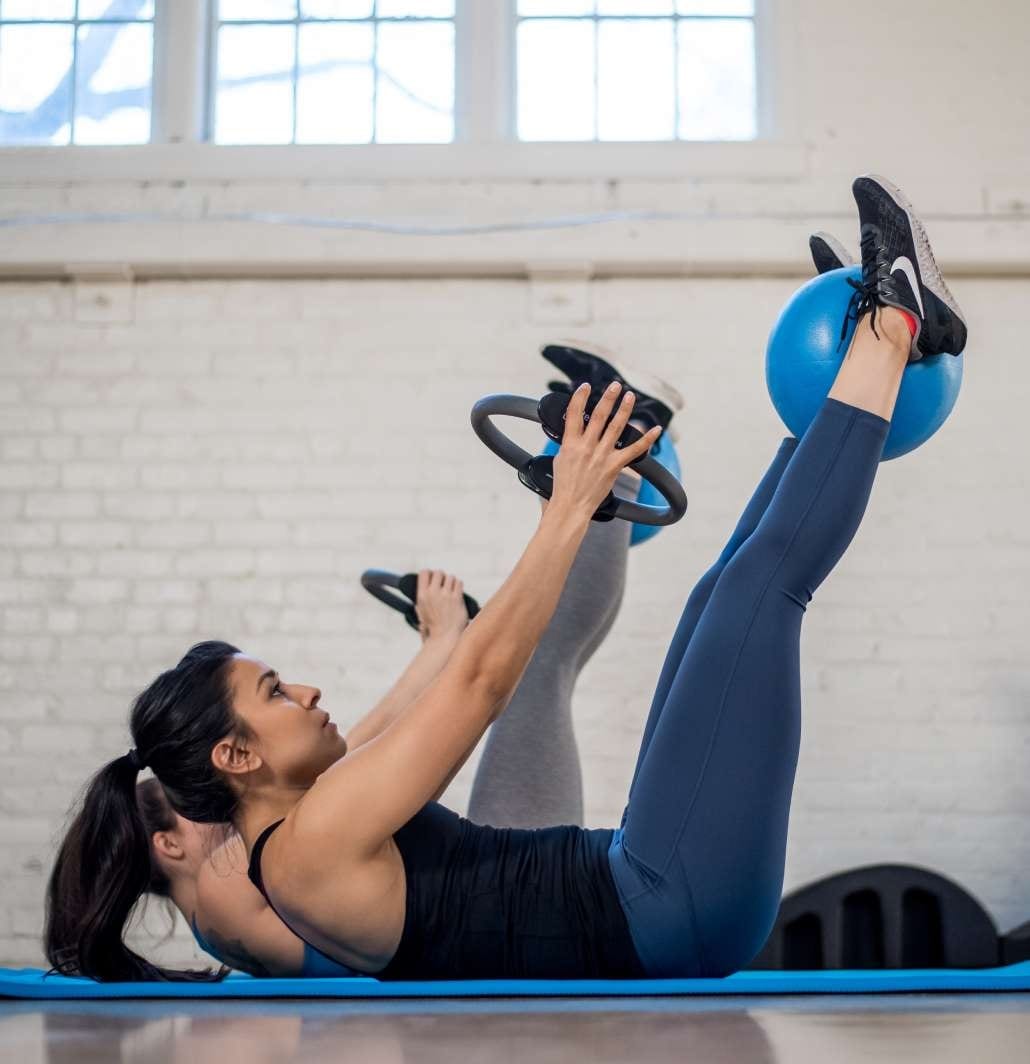
Planning a Pilates studio layout
Allow about 8 ft × 5 ft per reformer station including circulation, plus a 3 ft teaching aisle. A 900 sq ft studio holds 8–10 reformers comfortably with re
-
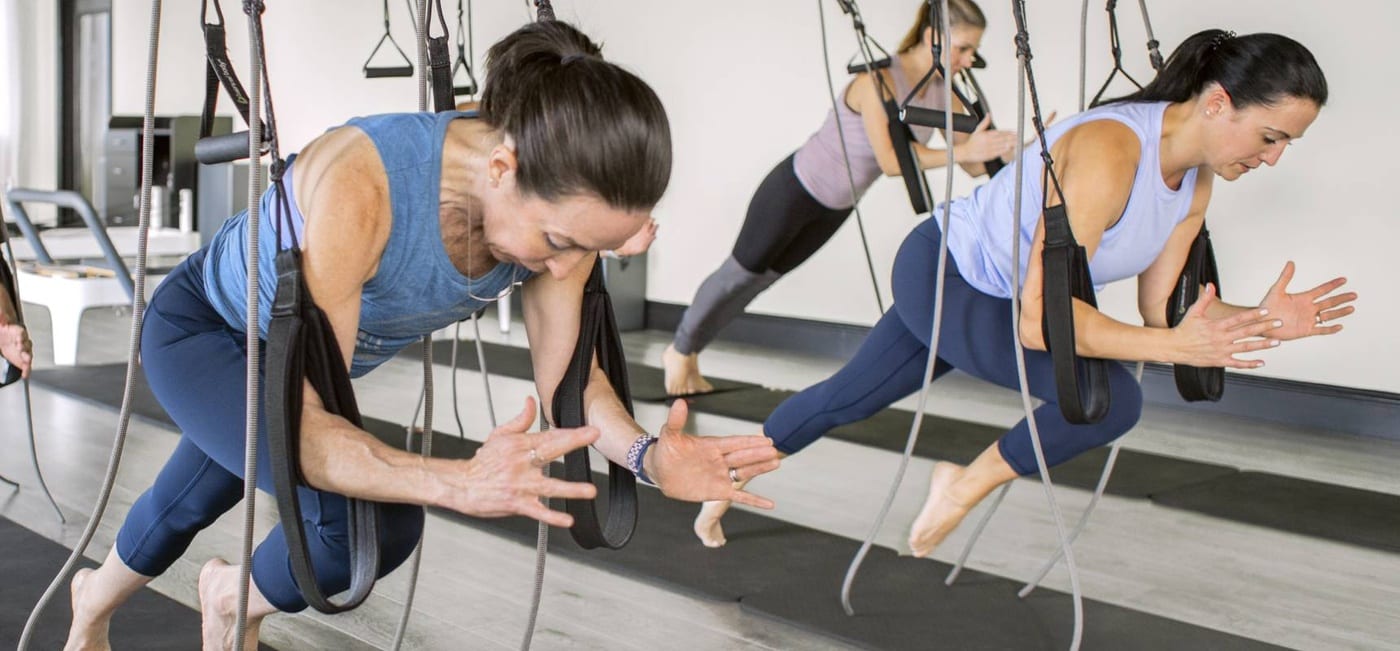
Choosing flooring for a Pilates studio
Pilates studios need a firm, level, low-slip floor. Engineered timber and commercial-grade vinyl are the two best choices — both are stable enough for refo
-
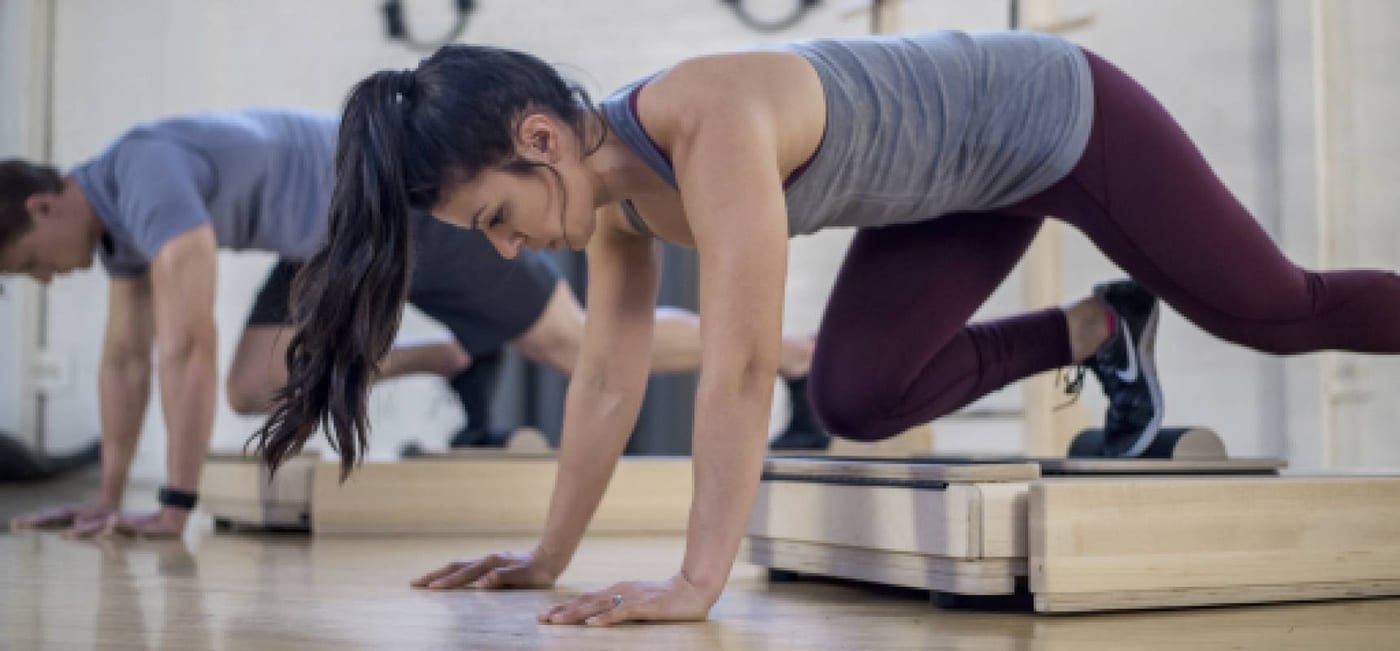
Ceiling height requirements for Pilates equipment
A plain reformer has no ceiling requirement. A reformer with a tower needs 7 ft 6 in minimum and 8 ft comfortable. A full Cadillac needs 7 ft 6 in plus cle
-
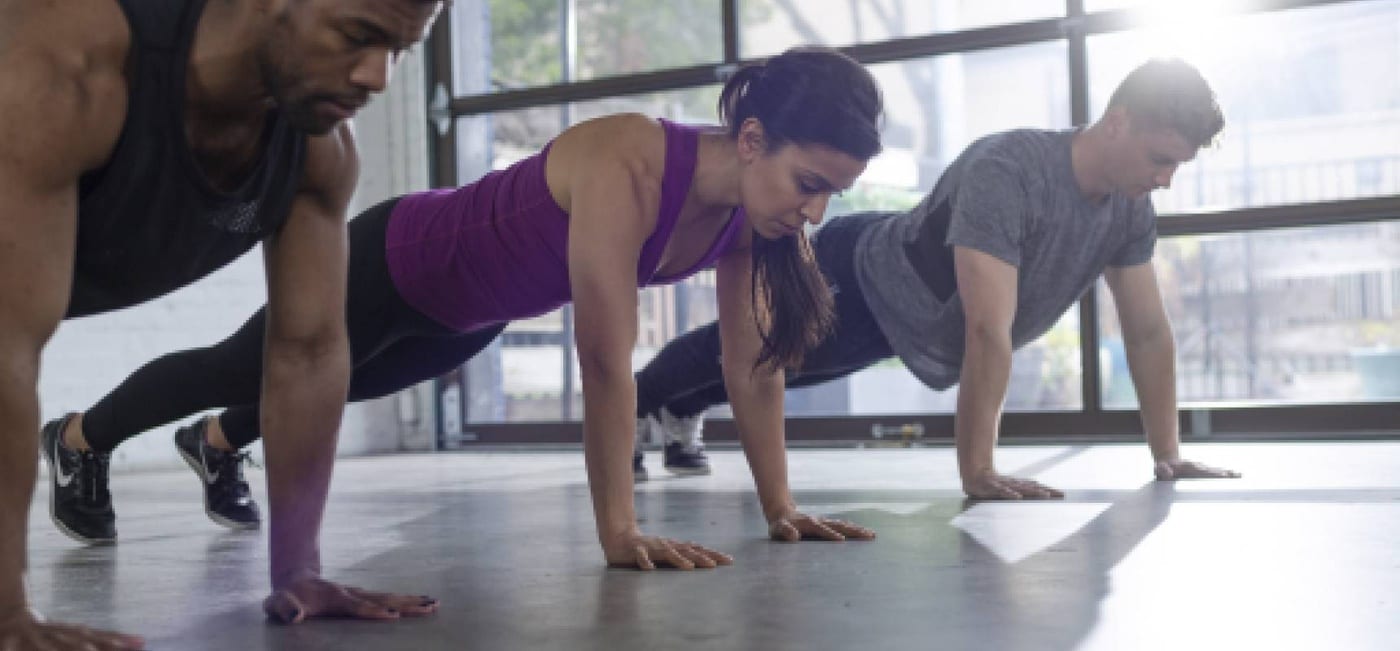
Moving a Pilates reformer
Release all spring tension before moving a reformer, lift from the frame rails rather than the carriage or footbar, and keep it flat or on its end rather t
-
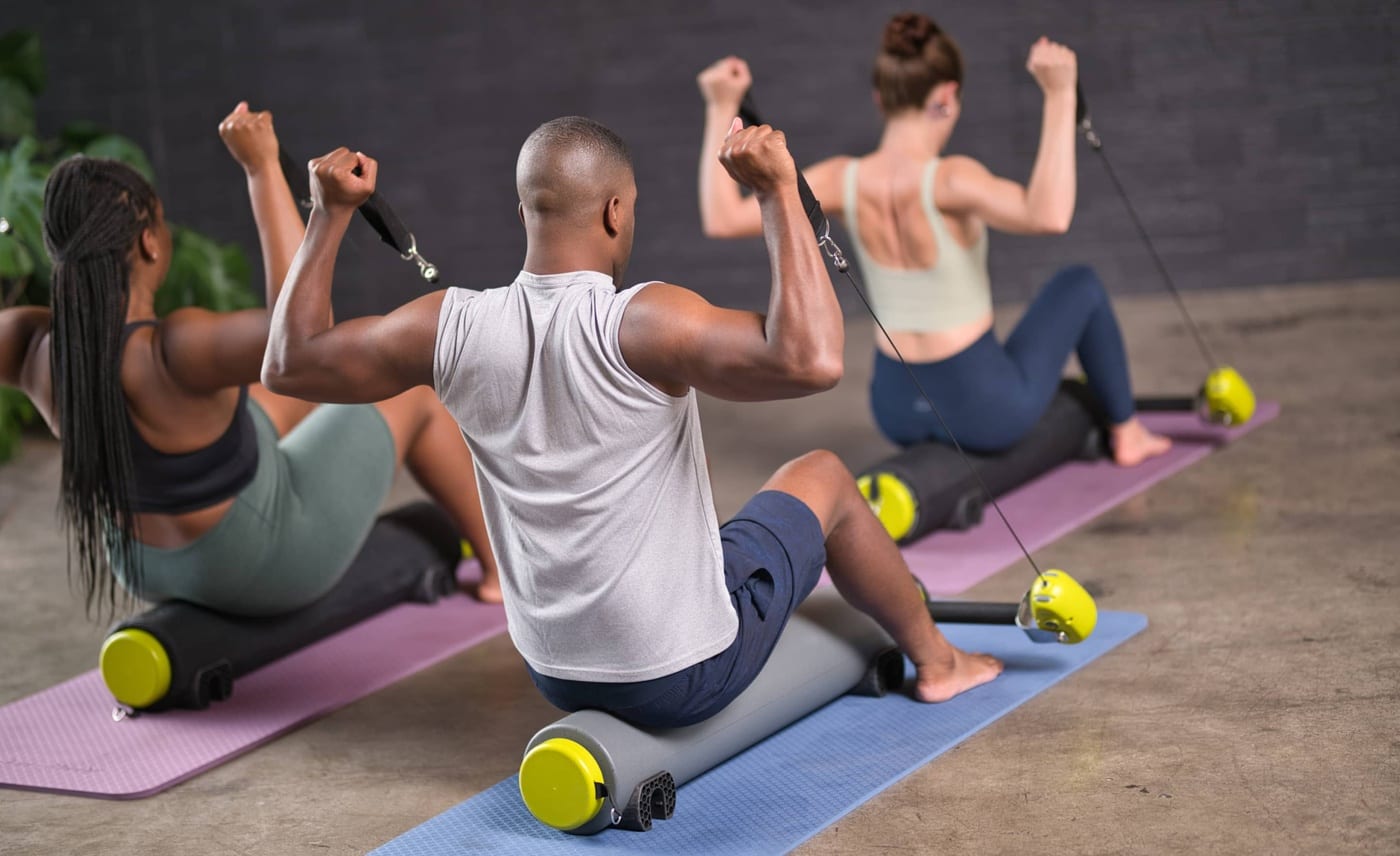
Reducing Pilates reformer noise
Reformer noise almost always comes from four sources: dirty or worn carriage wheels, debris on the rails, loose frame hardware, or springs contacting the f
-
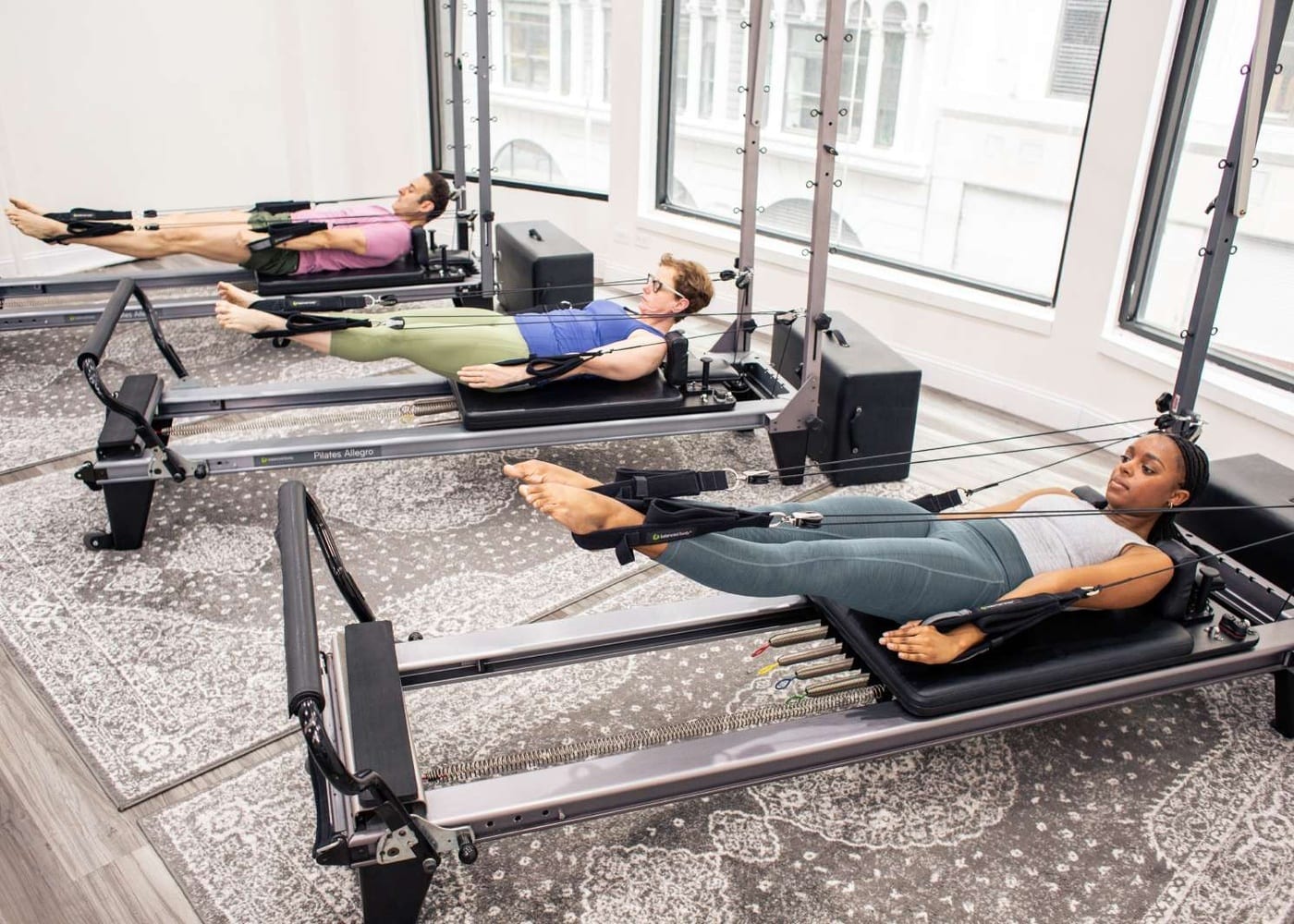
Setting up Pilates in a small apartment
In an apartment, choose equipment by stored footprint rather than set-up footprint. A folding or upright-storing reformer needs about 2 ft × 2 ft of parked
-
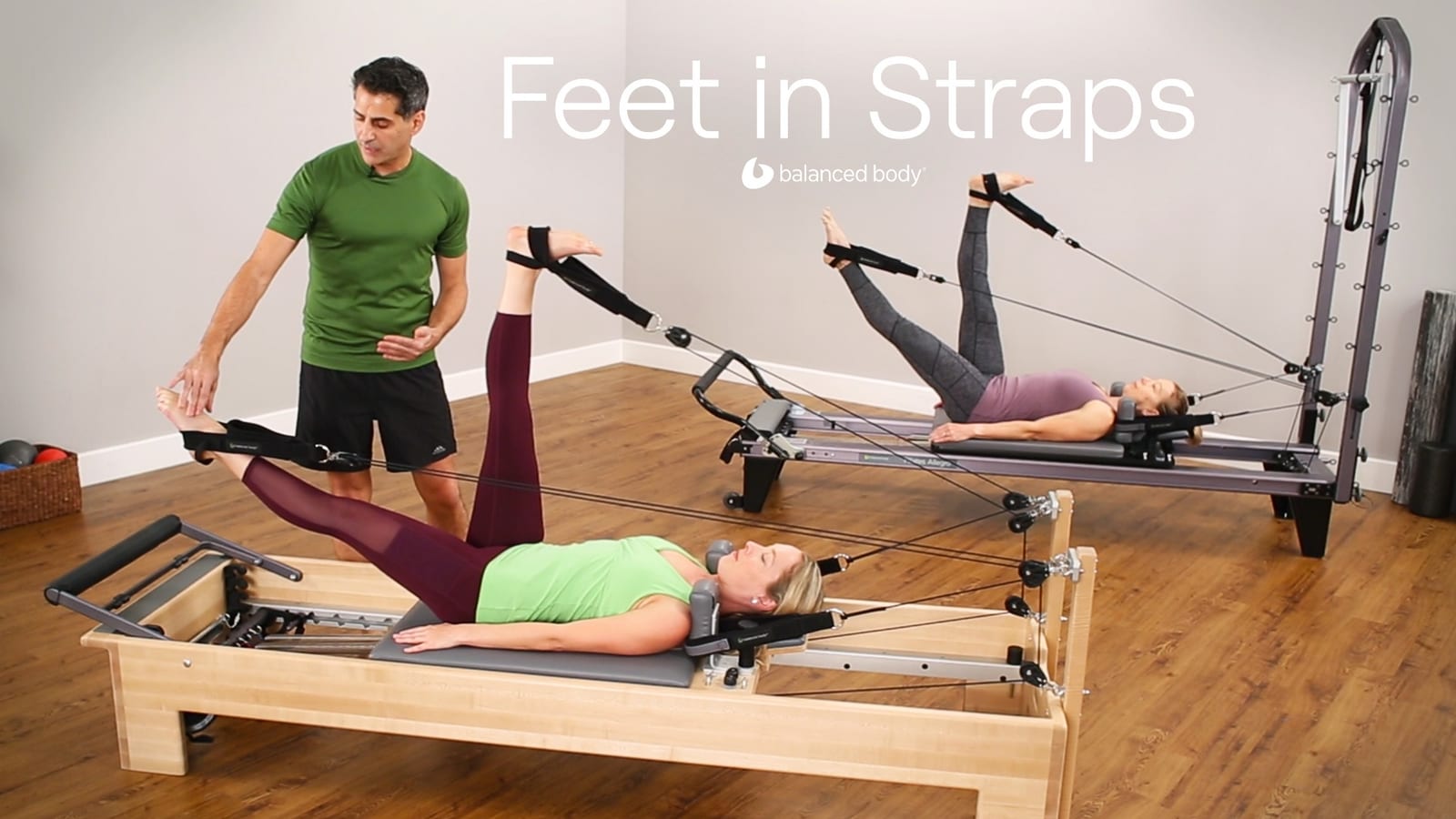
Reformer delivery and assembly
Reformers ship by freight as a crated item of 150–250 lb and are delivered curbside. Most arrive largely assembled, needing 30–90 minutes to fit the footba
-
Mirrors and lighting in a Pilates room
Mirror one long wall at reformer height so clients can check alignment while supine and seated. Light the room evenly from above and avoid single strong so
-
Converting a garage for Pilates
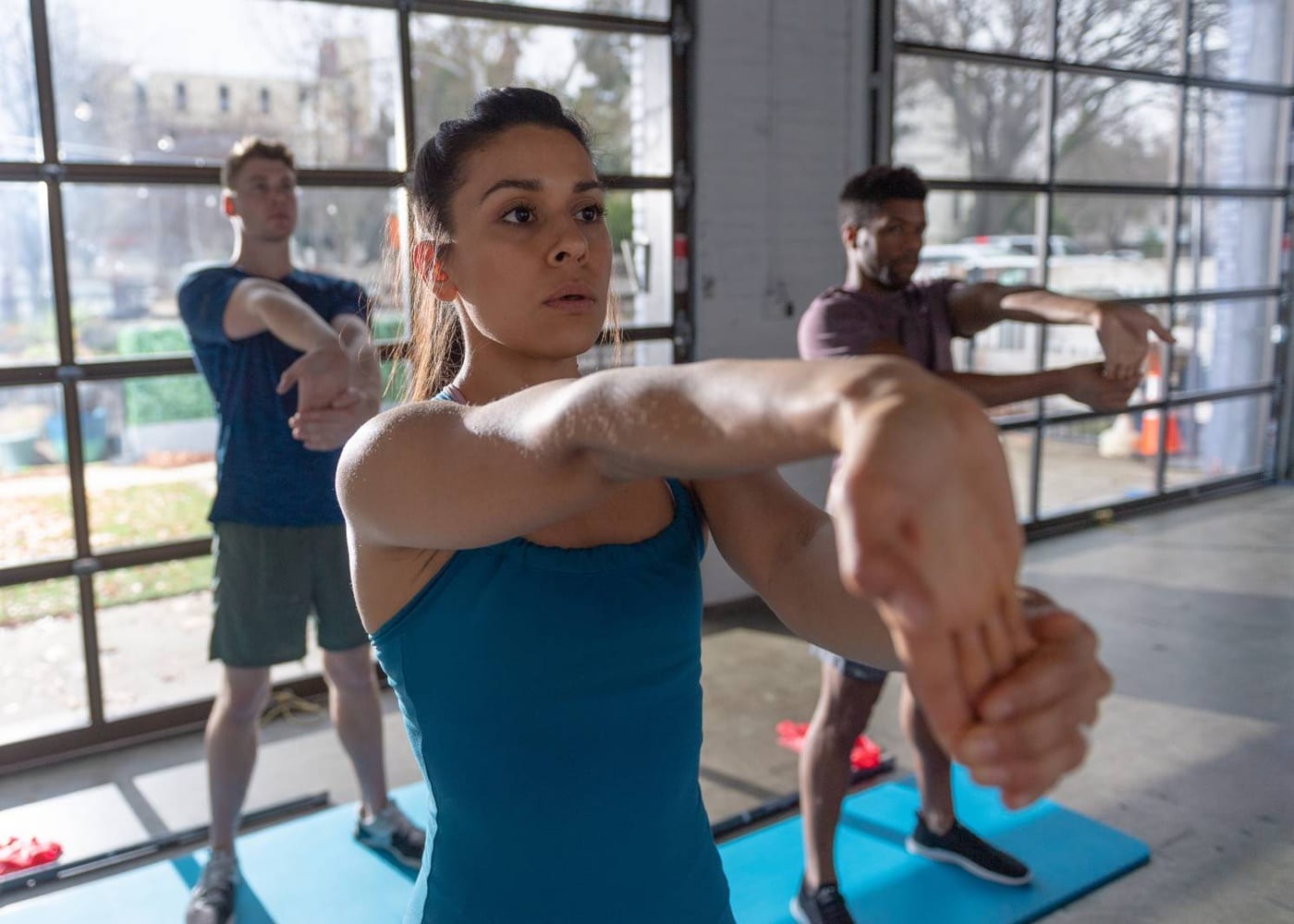
A garage works well for Pilates if you address three things: a level floor, insulation and heating, and humidity. Concrete slabs are usually level enough a
-
Pilates in a multi-use room
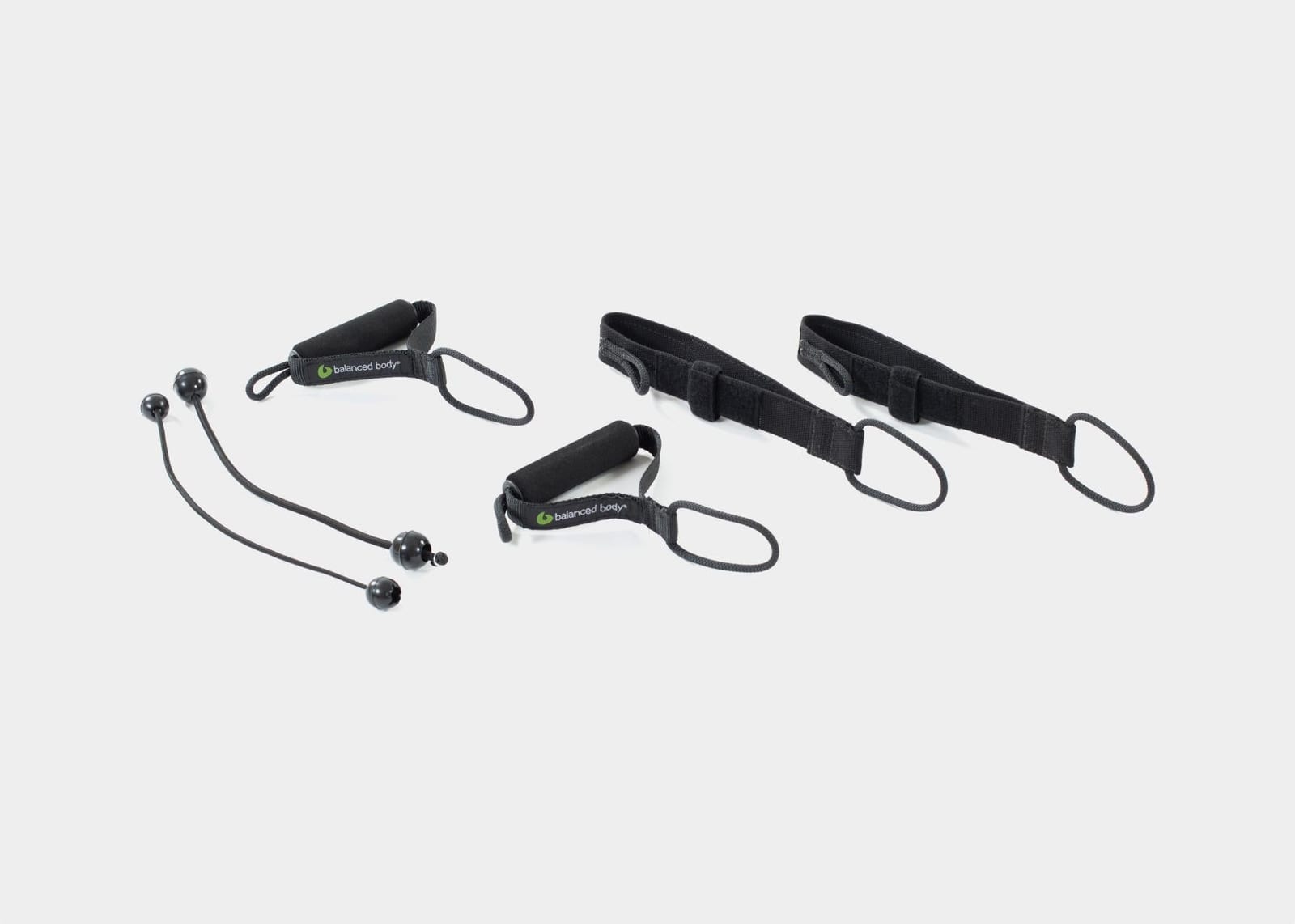
In a shared room, everything depends on how quickly the space converts. Choose equipment that stores upright or folds, keep accessories in one movable cont
-
Pilates studio storage
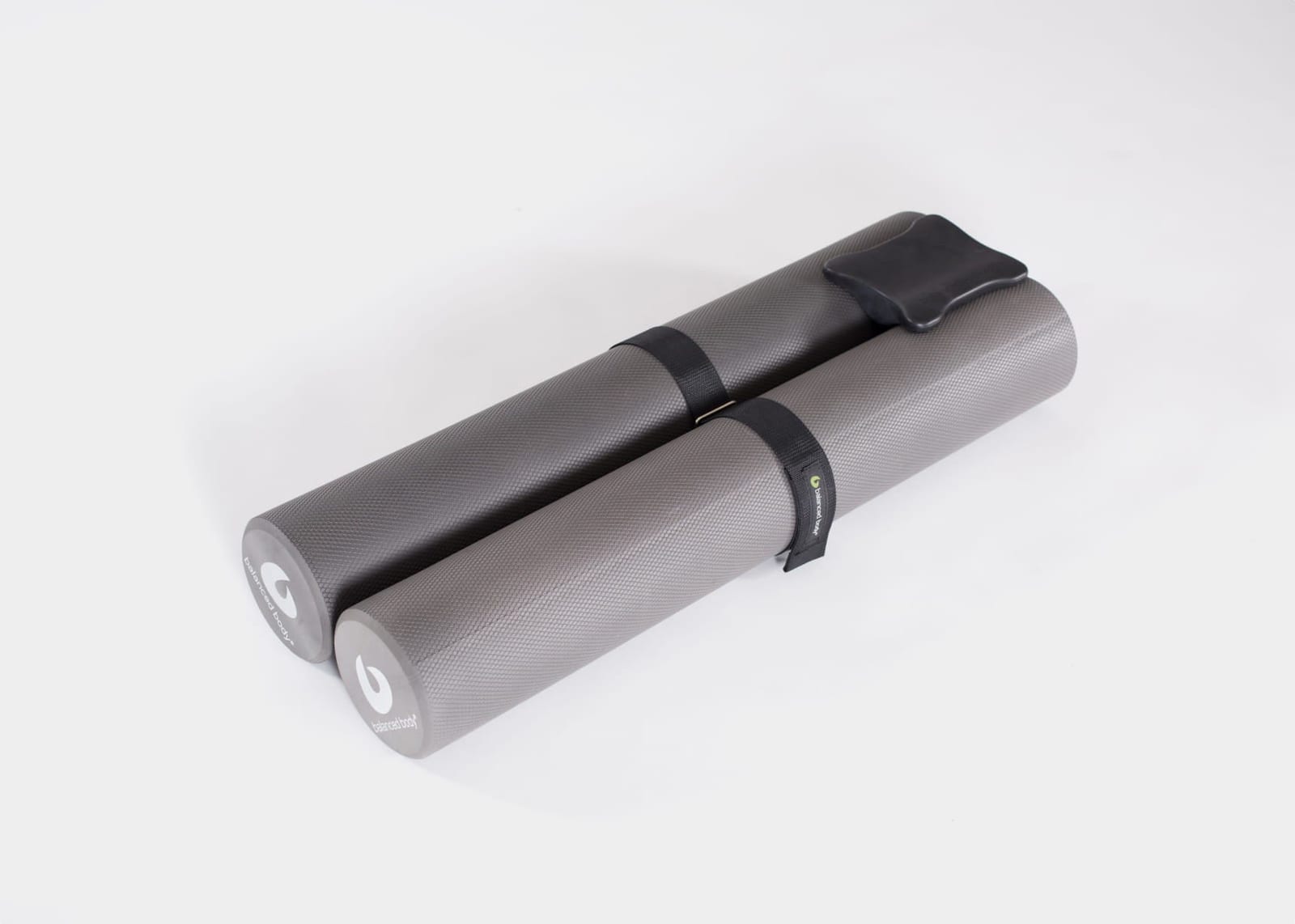
Every reformer station generates a box, pole, straps and often a jumpboard. Allow a dedicated 4 ft × 3 ft storage zone per six stations, use vertical wall
-
Pilates equipment outdoors
Standard Pilates equipment is not built for outdoor storage. Springs corrode, upholstery degrades in UV, and hardwood frames move with humidity. Using a ma
Comparisons
-
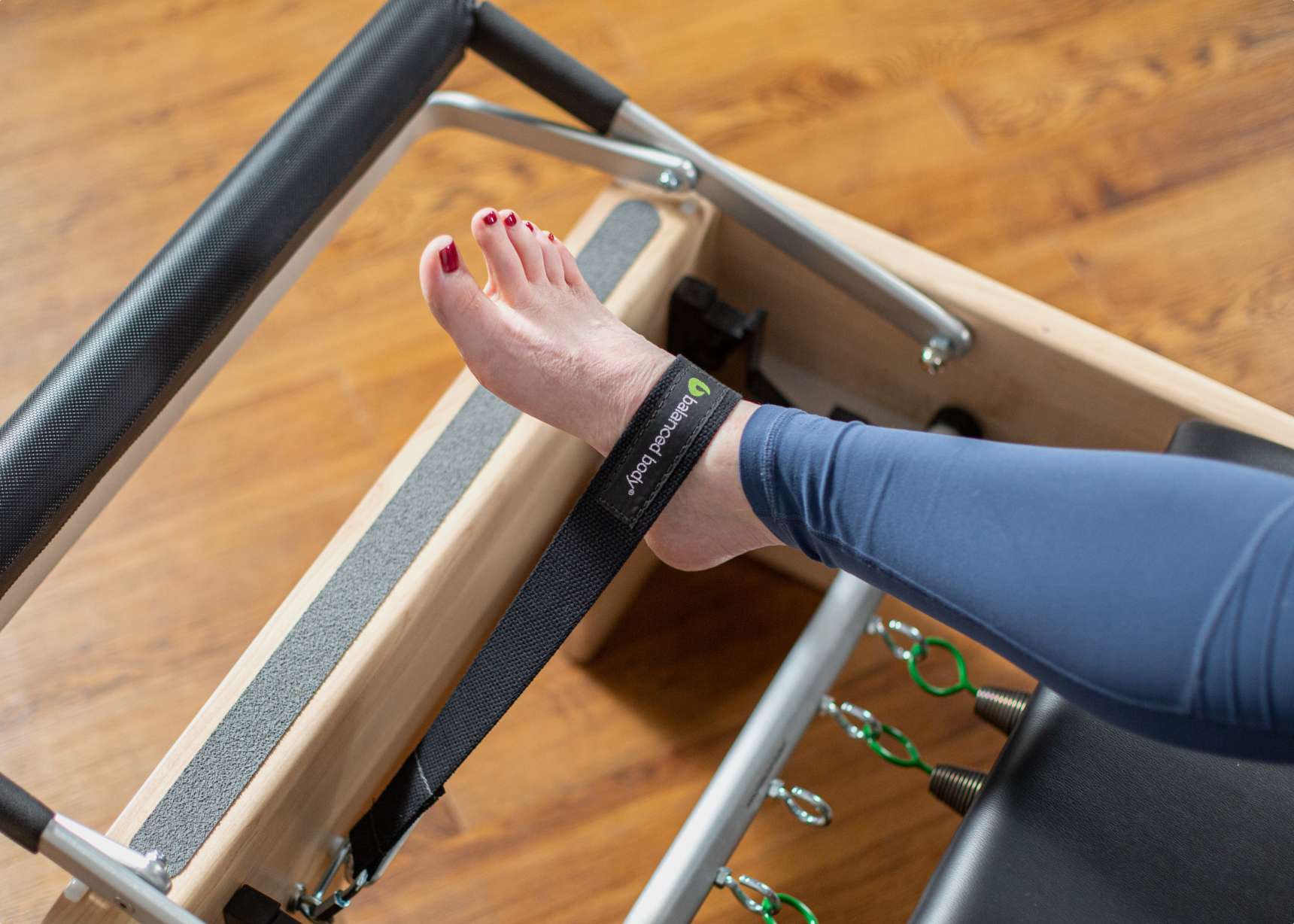
Reformer vs mat Pilates
Mat Pilates uses body weight and gravity; reformer Pilates adds spring resistance and a moving carriage. The reformer is easier for beginners because the s
-
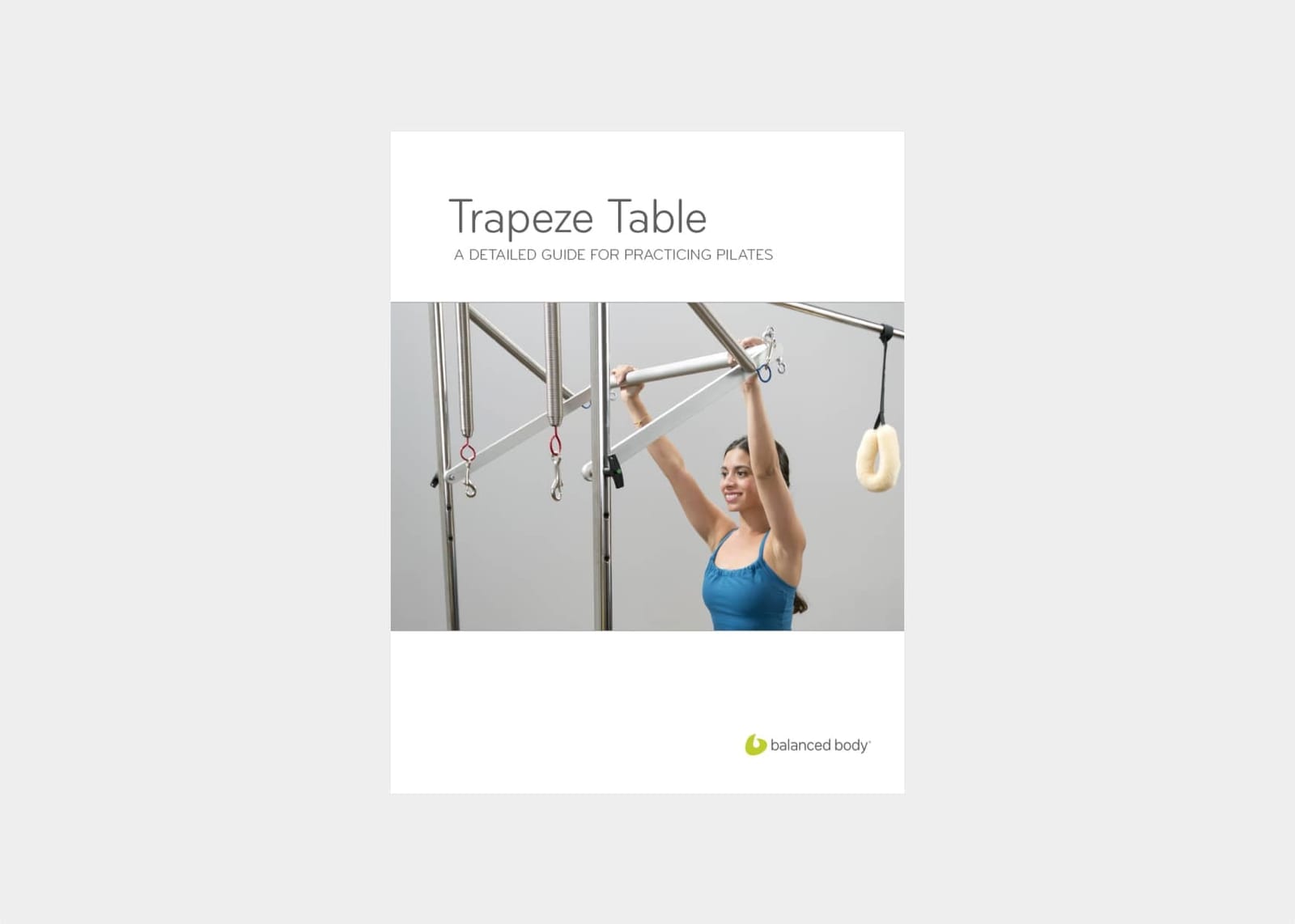
Reformer vs Cadillac
A reformer trains movement against a sliding carriage; a Cadillac trains it against a fixed frame with overhead springs and bars. The Cadillac has the wide
-
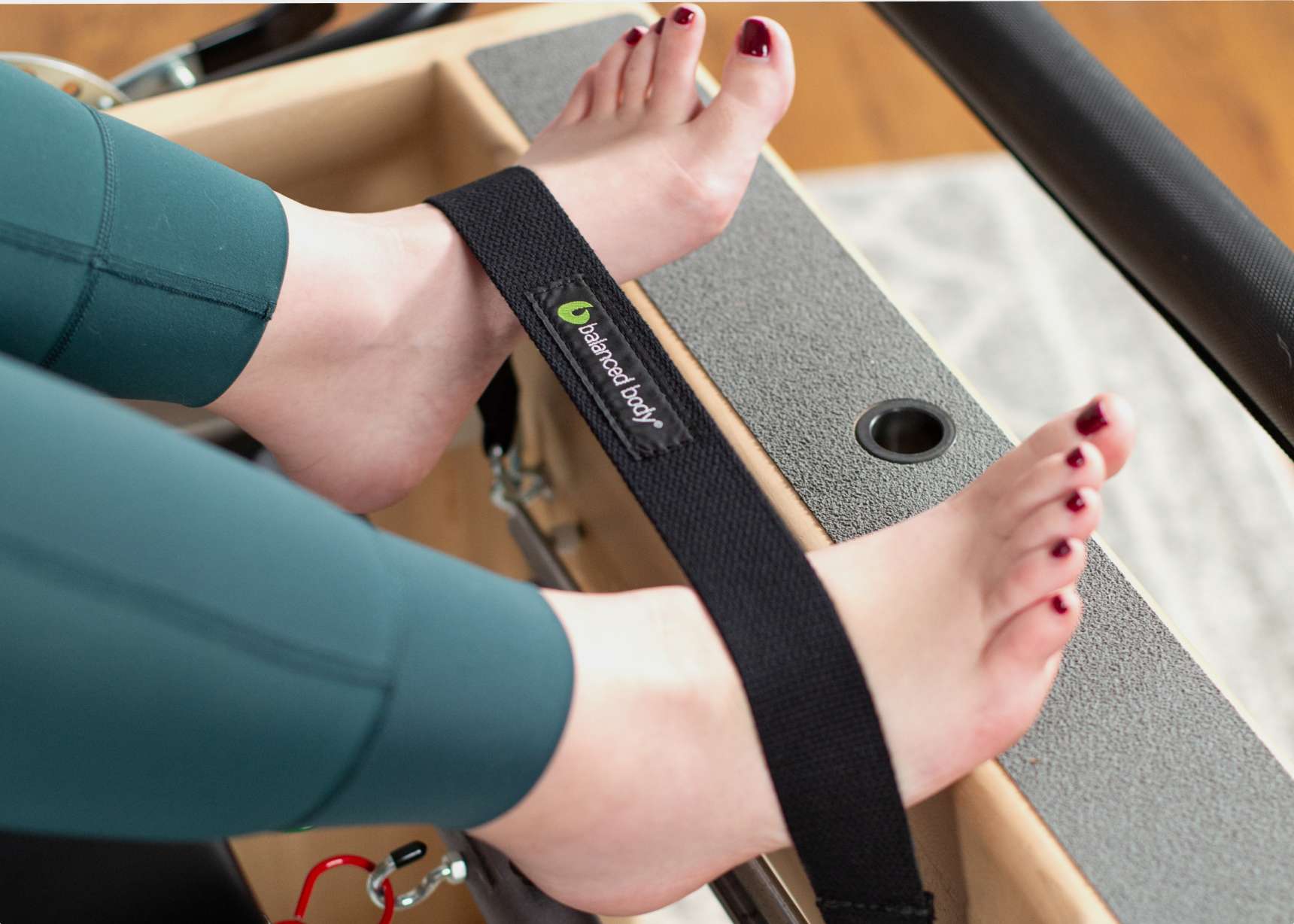
Reformer vs tower
A reformer is a complete apparatus on its own. A tower is an addition to it — a vertical frame carrying push-through bar and spring attachments that adds s
-

Pilates vs yoga
Pilates trains controlled movement against resistance, with an emphasis on core stability and precise mechanics. Yoga trains held postures, mobility and br
-
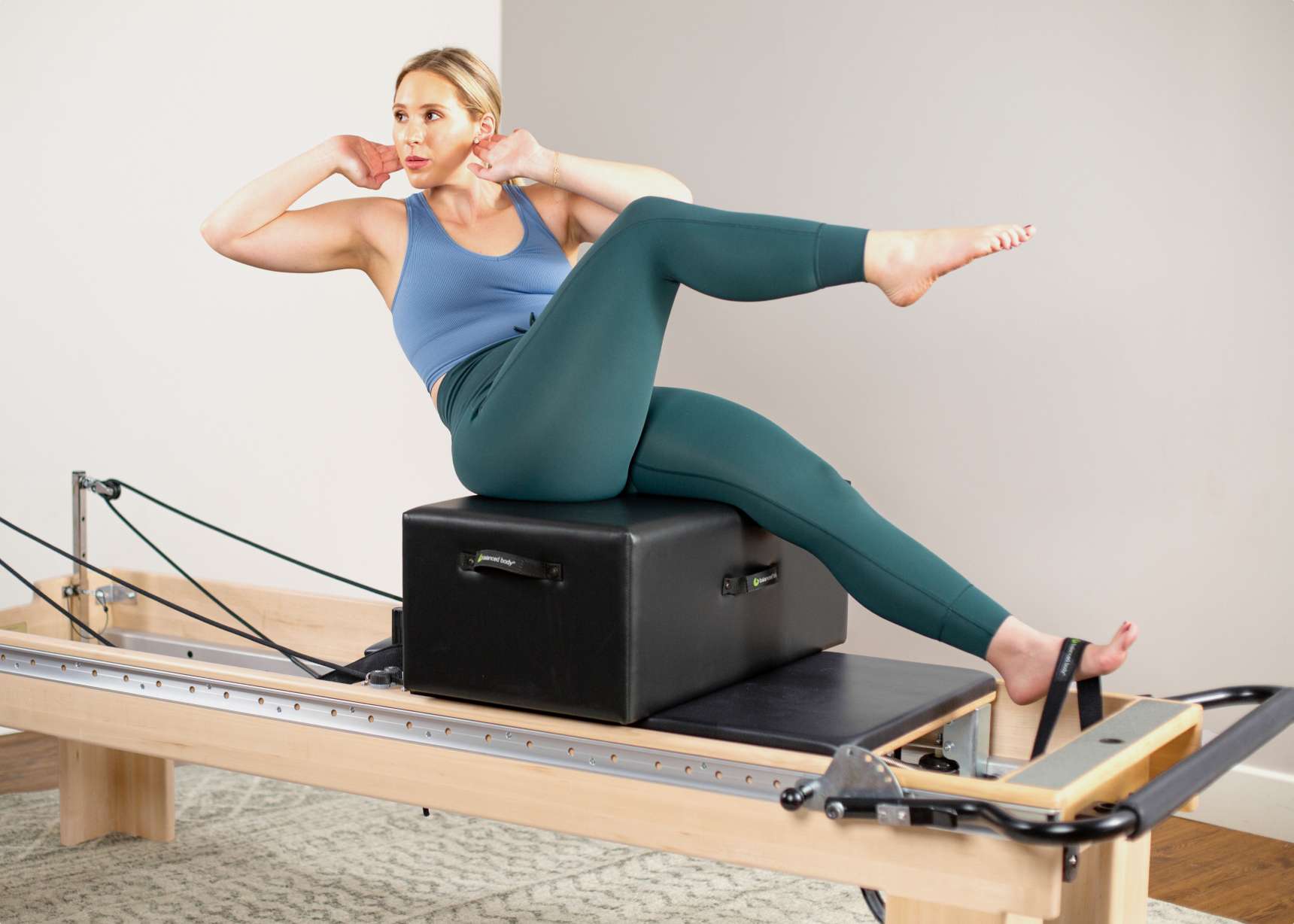
Reformer vs Megaformer
A Megaformer is a longer, wider carriage machine built for continuous slow-tempo resistance work in the Lagree method. A classical reformer is built for th
-
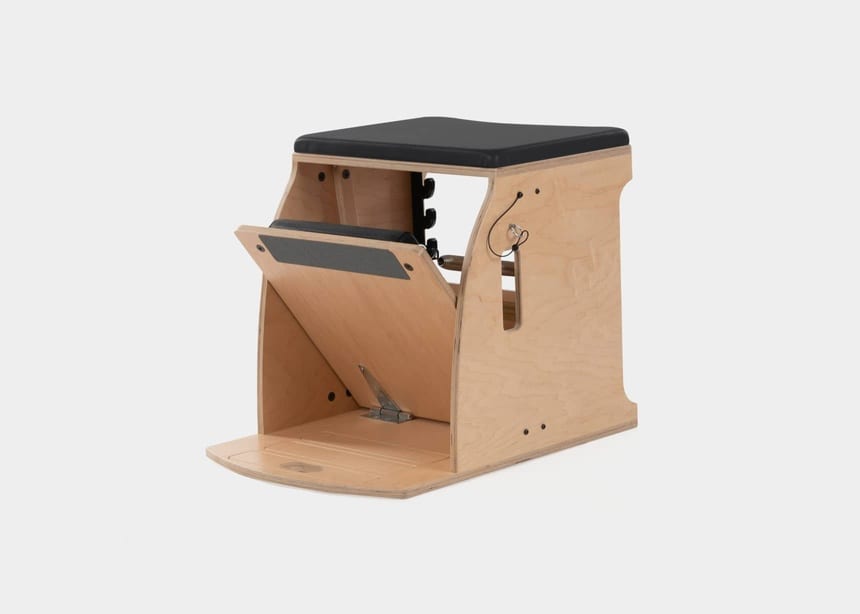
Wunda chair vs Exo chair
A Wunda chair is the classical design: a compact box with a single split or unsplit pedal. An Exo-style chair adds handles, a taller frame and often a spli
-
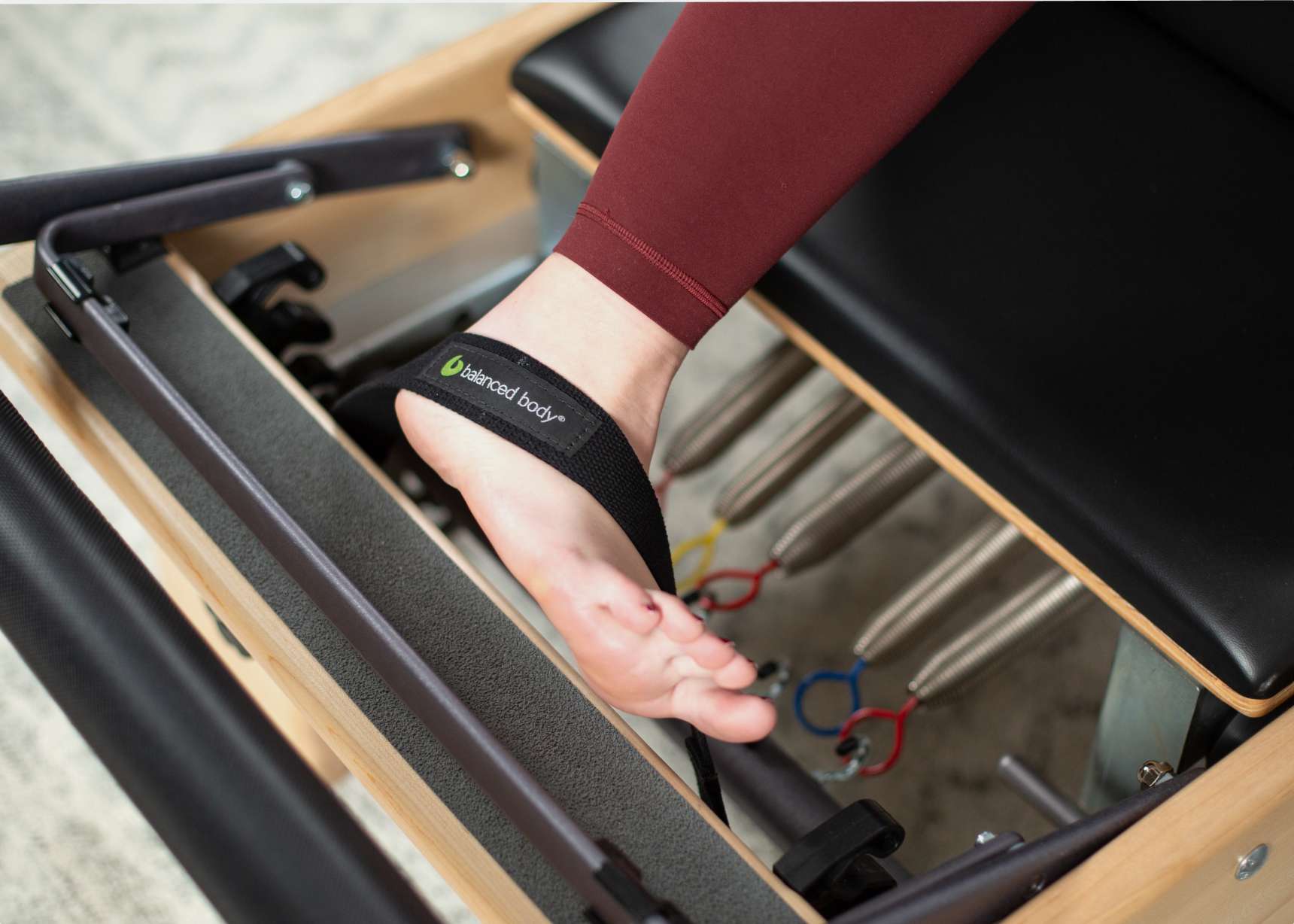
Aluminum vs steel reformer frames
Steel frames are the stiffest and cheapest per unit of rigidity but the heaviest and vulnerable to corrosion where the coating is damaged. Aluminum is ligh
-
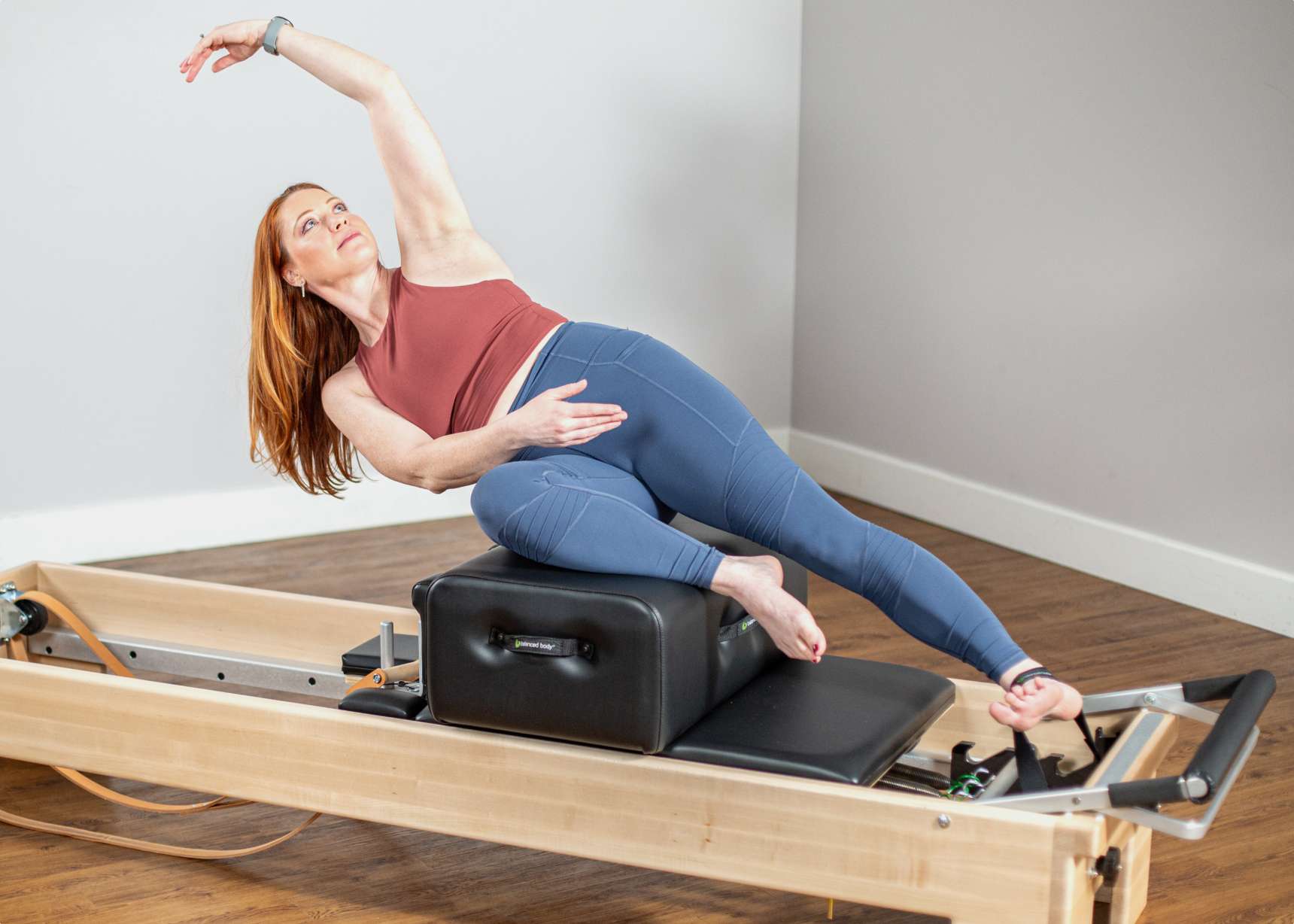
Home vs studio reformers
The genuine differences are duty cycle, adjustment speed and parts support. A studio reformer is built for 8+ hours of daily use, adjusts fast between clie
-
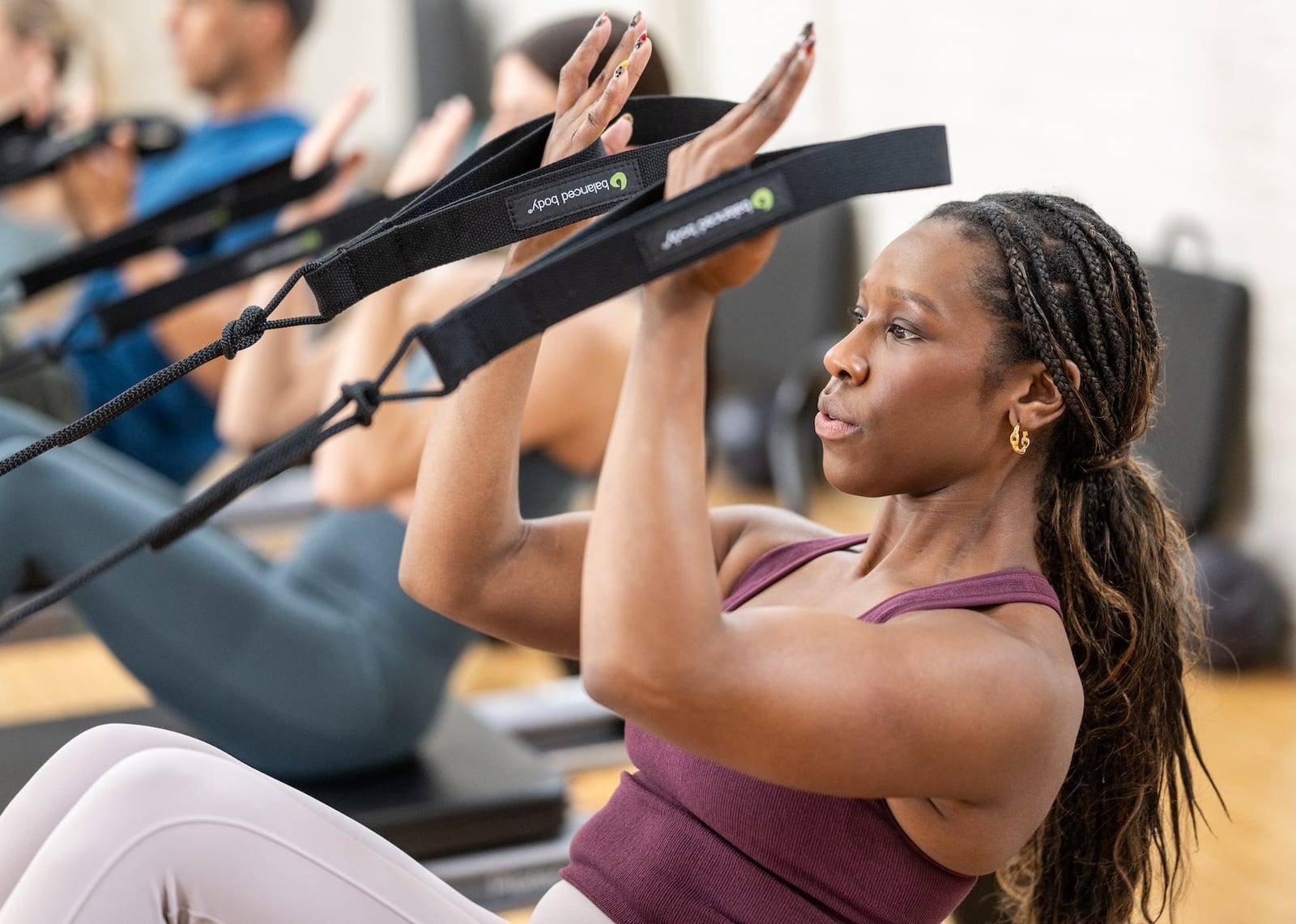
Reformer vs Pilates chair
Buy the reformer first. It covers substantially more of the Pilates repertoire and is the apparatus most classes and programs are built around. The chair i
-

Spring resistance vs weights
A weight provides constant resistance; a spring provides resistance that increases as it stretches. That ascending curve matches the strength curve of many
-
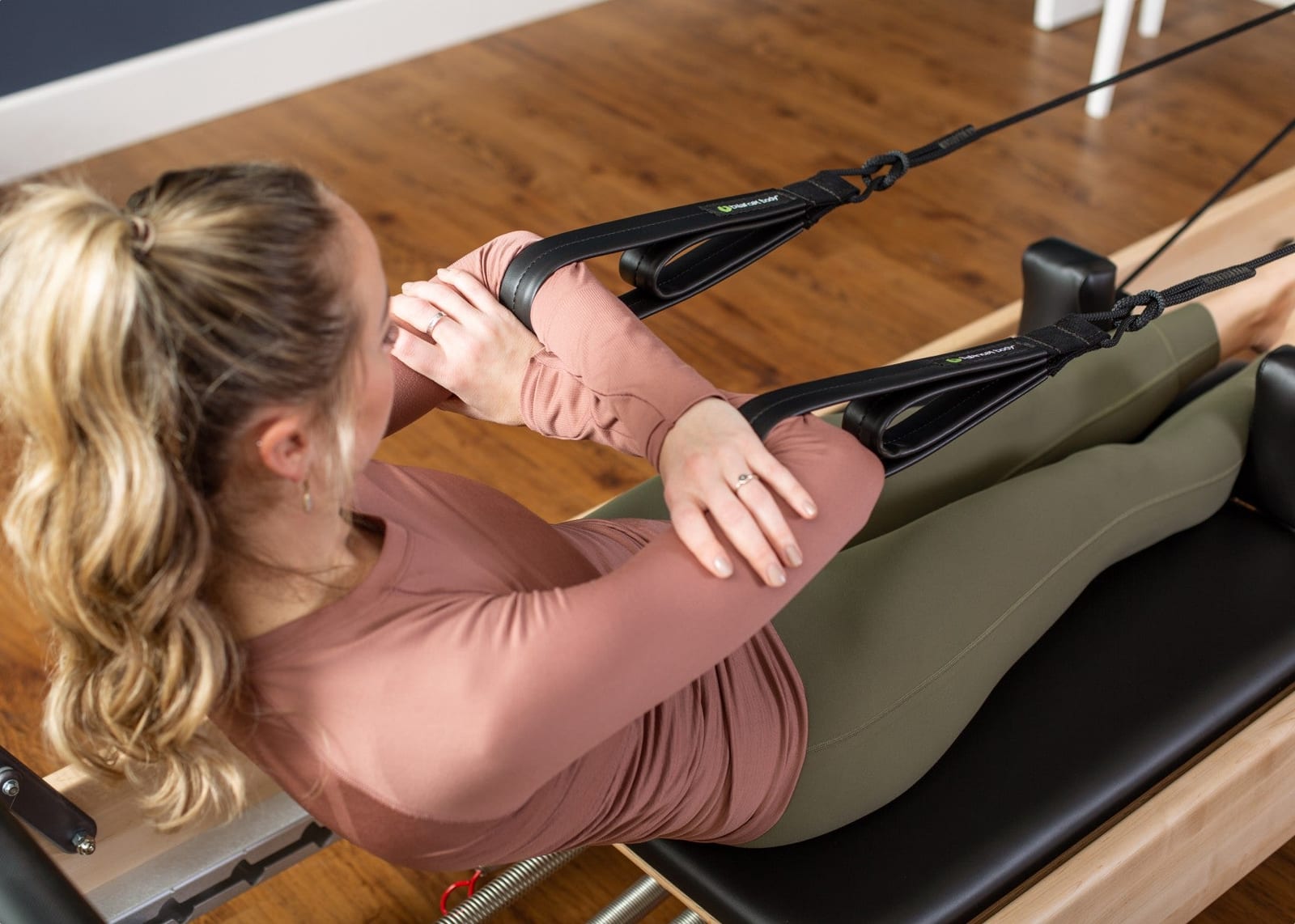
Group reformer classes vs private sessions
Private sessions are worth the premium when you have an injury, a specific goal, or no reformer experience. Group classes are better value once you can exe
-
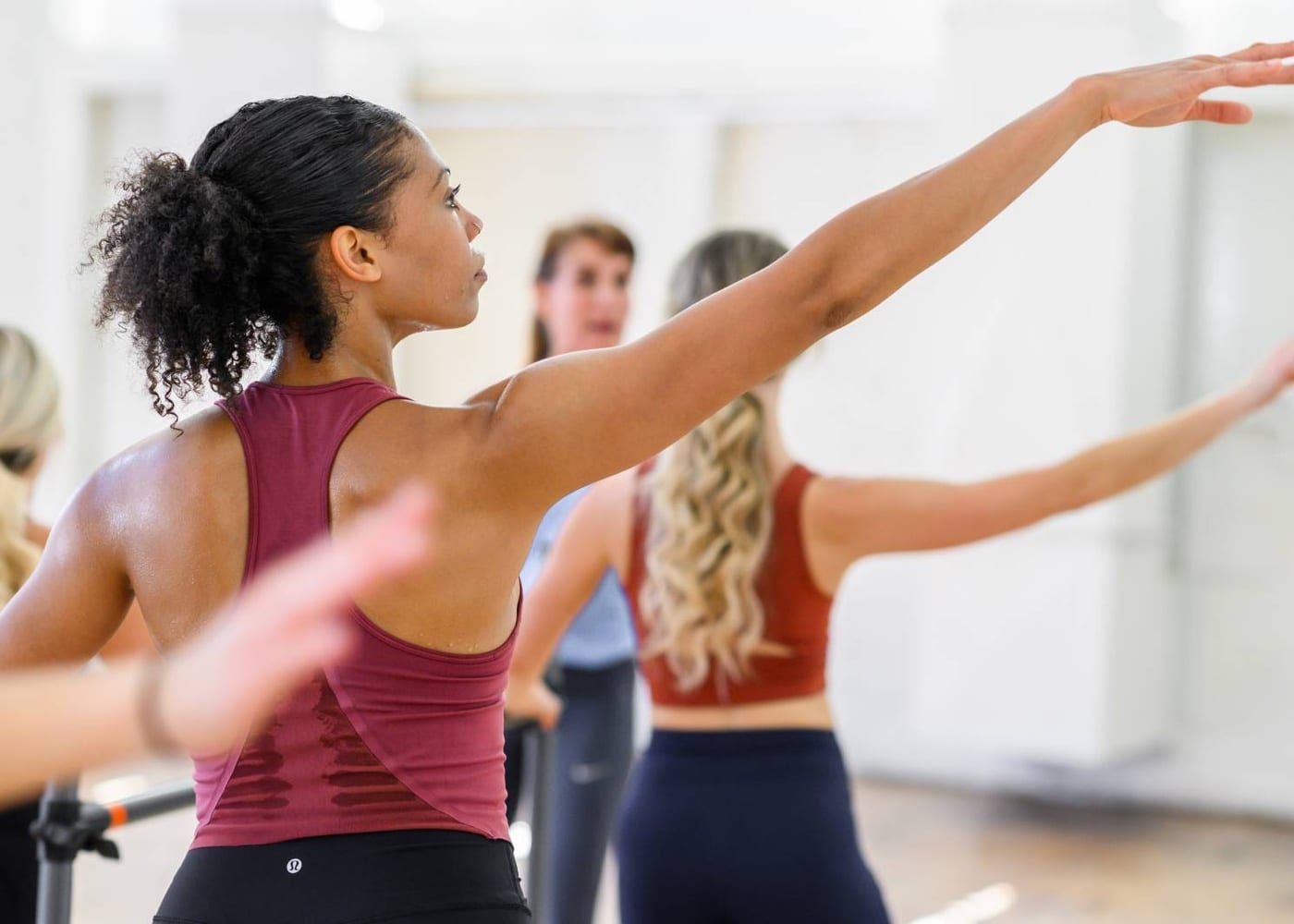
Pilates vs strength training
Pilates is strength training, but with coarse load increments and an emphasis on control rather than maximal force. For general health both work; for maxim
Buying guides
-
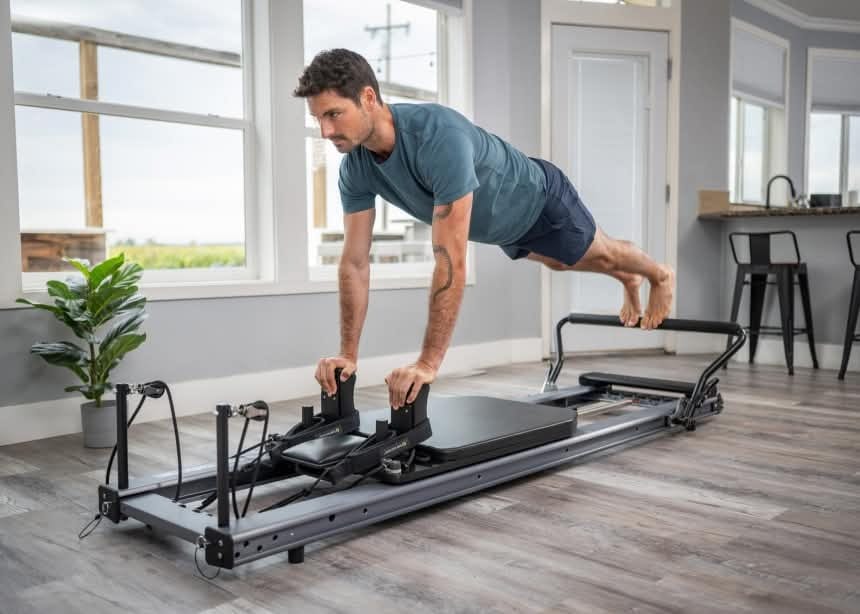
Pilates reformer buying guide
Choosing a Pilates reformer comes down to six things: frame material and rigidity, carriage bearing quality, spring gradient, footbar adjustability, maximu
-
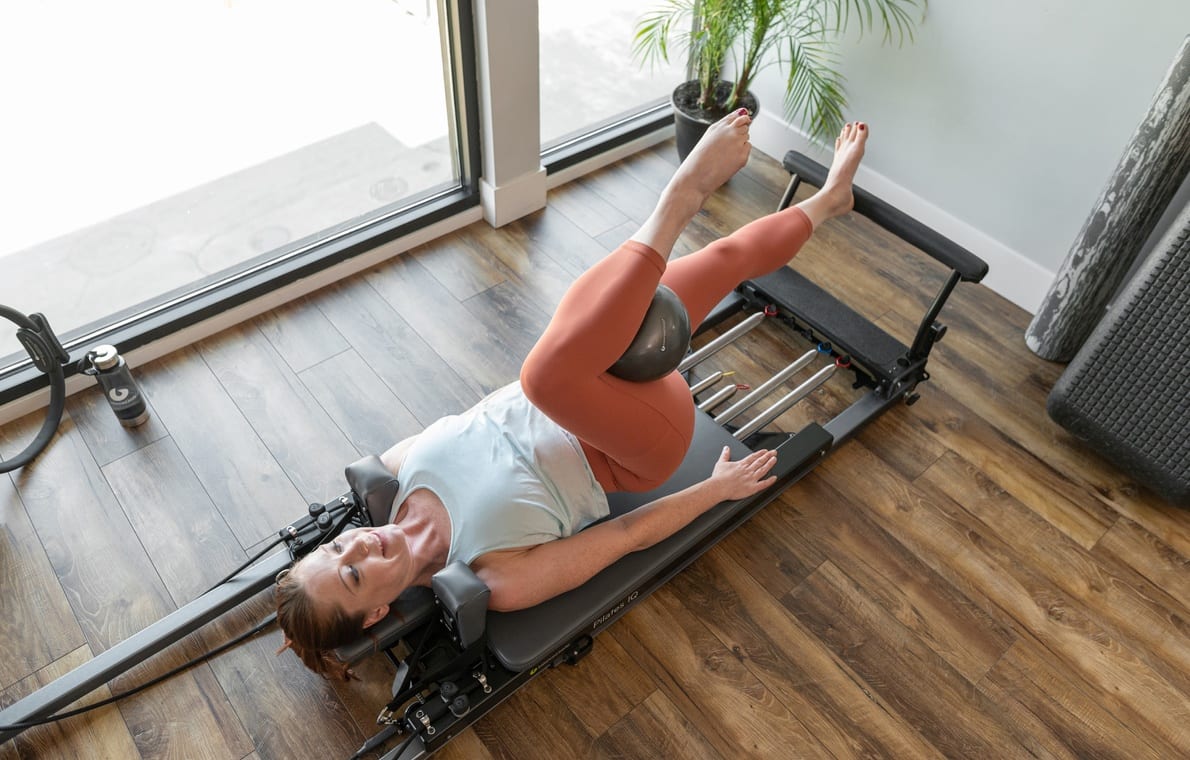
Choosing the best Pilates reformer for home use
The best home Pilates reformer is the one that fits your room with working clearance, carries a weight rating above your body weight with margin, and has a
-
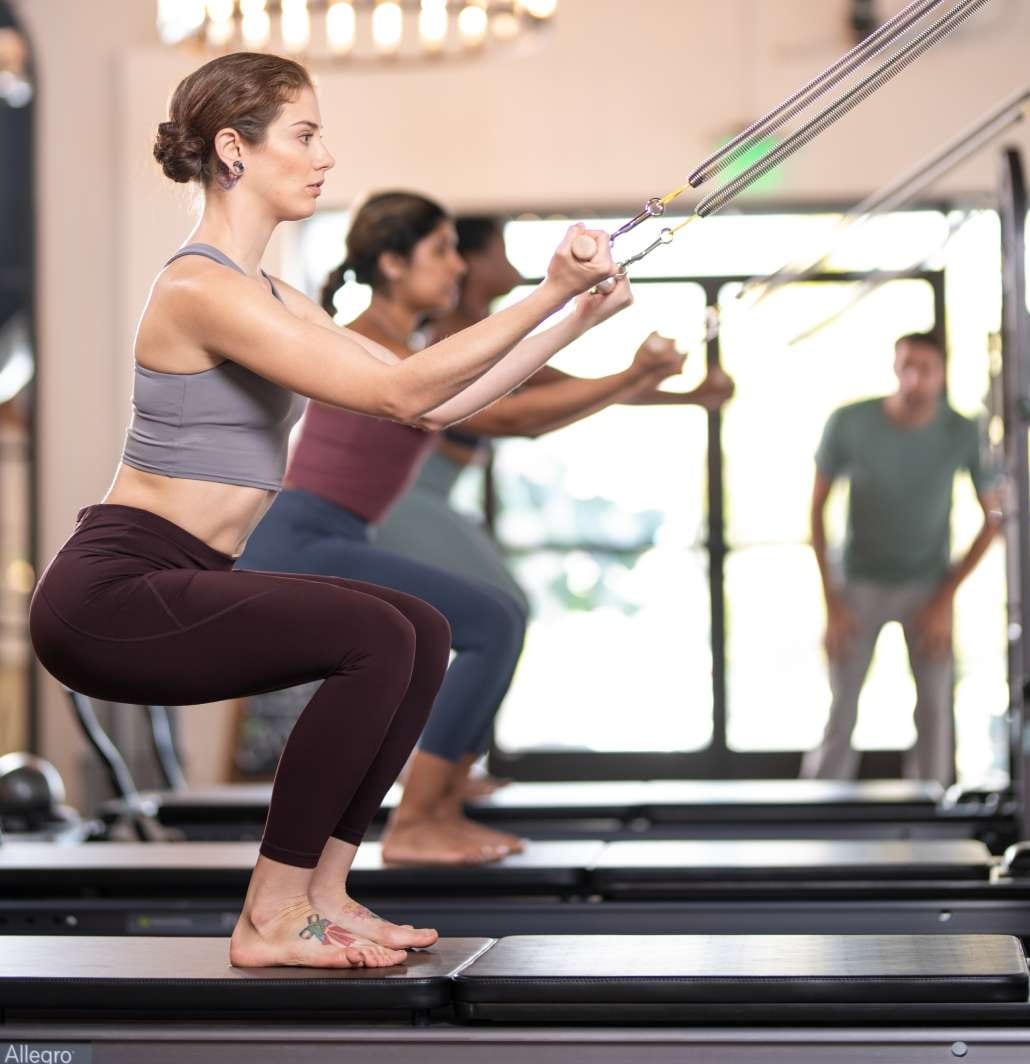
Pilates reformers for small spaces
For a small space, look for a reformer that folds or stands on end rather than one that is simply shorter. A shortened carriage limits your range of motion
-
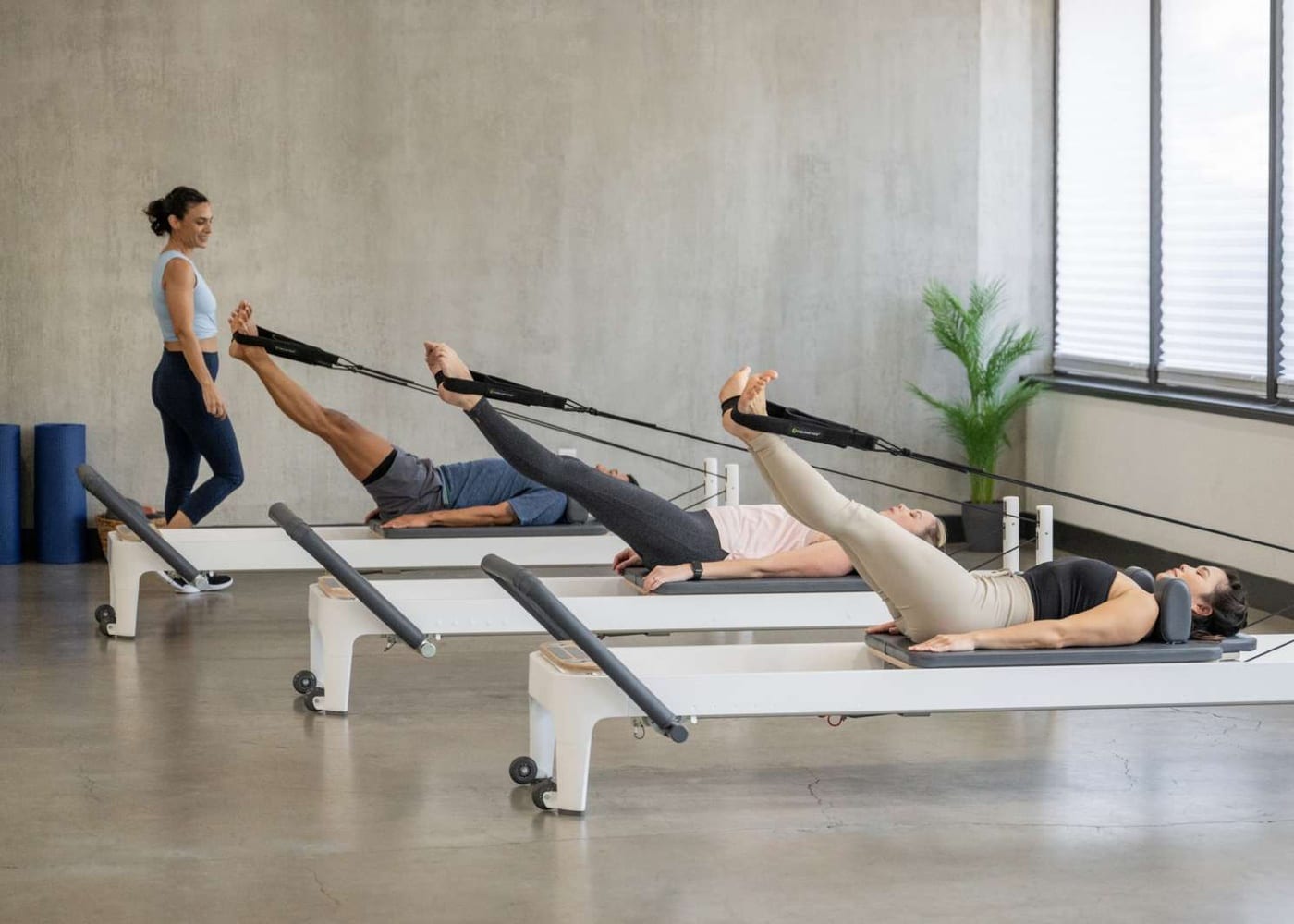
Choosing commercial Pilates reformers for a studio
A commercial Pilates reformer needs three things a home machine does not: a duty cycle rated for 8+ hours daily, fast tool-free adjustment between clients,
-
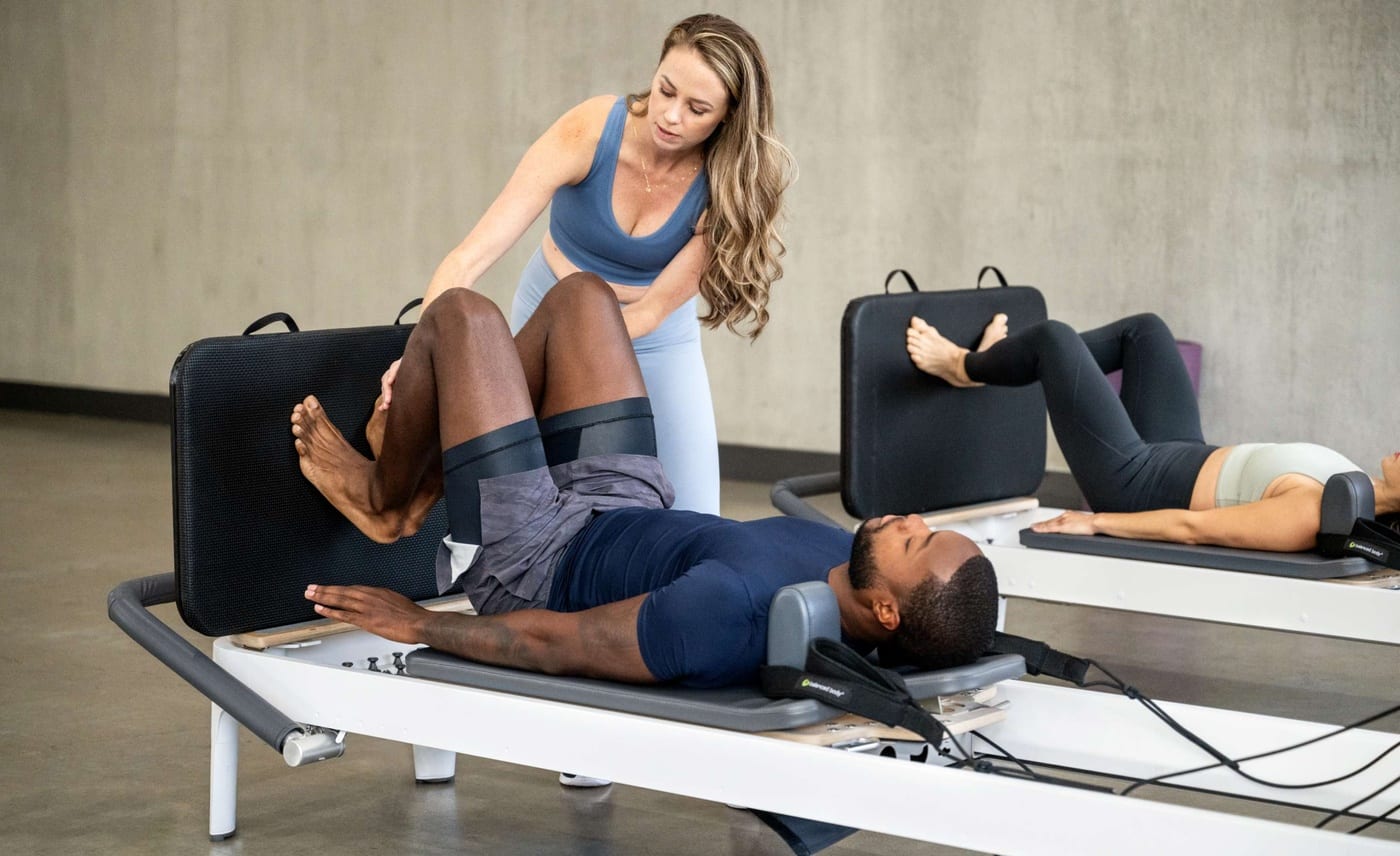
How much does a Pilates reformer cost?
Pilates reformers cost roughly $1,500–$2,500 for a solid home machine, $3,000–$6,000 for studio-grade equipment, and $6,000+ for reformers with integrated
-
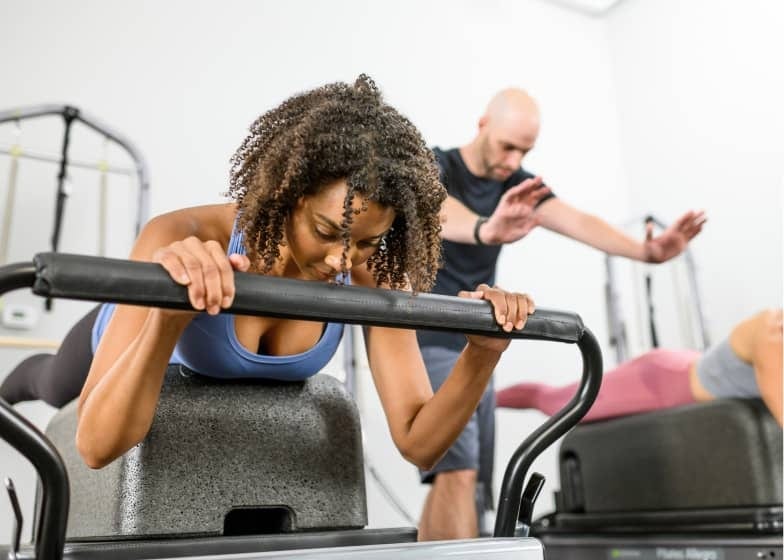
Wood vs aluminum Pilates reformers
Hardwood reformers are stiffer, quieter and heavier, which suits a permanent studio installation. Aluminum reformers are lighter, immune to humidity and ea
-
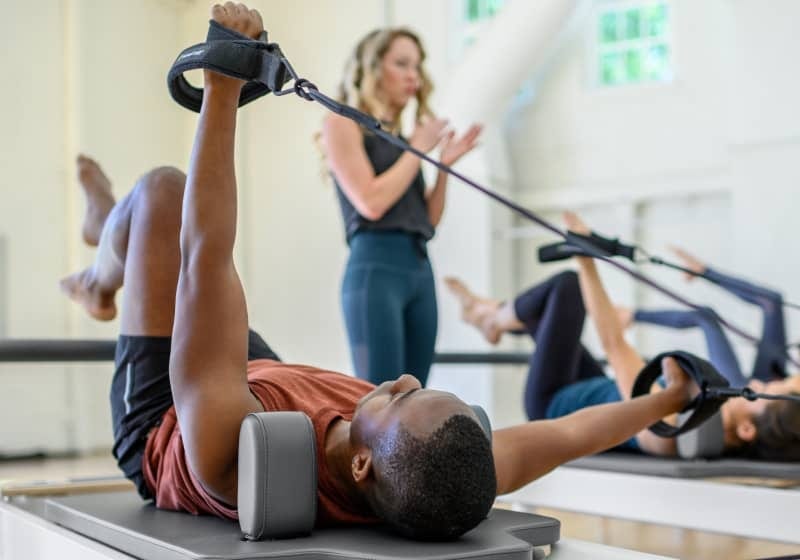
Is a reformer with tower worth it?
A tower roughly doubles a reformer’s exercise repertoire by adding standing, kneeling and supine spring work through a vertical frame. It is worth it if yo
-
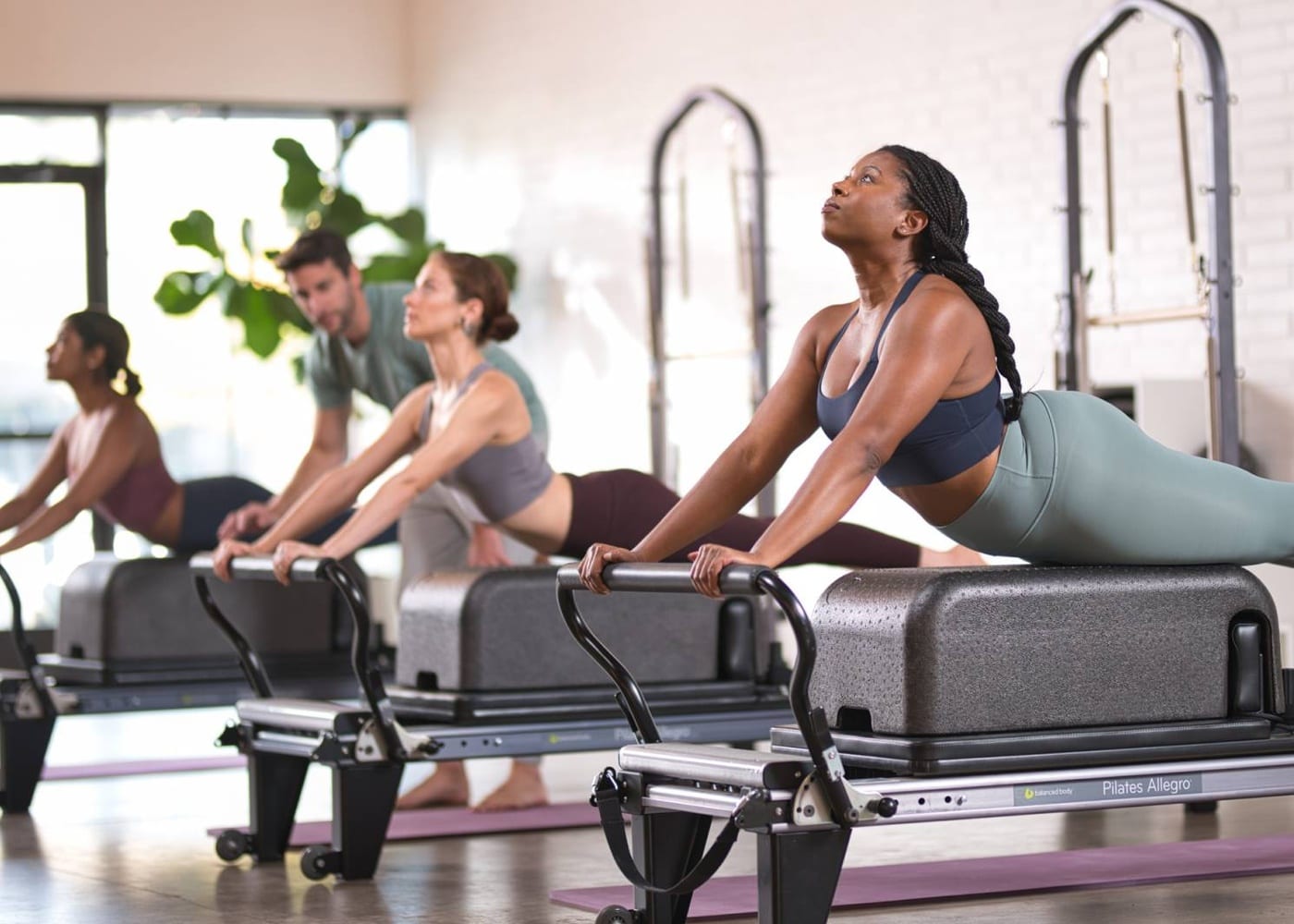
Foldable Pilates reformers
A folding reformer keeps full carriage travel while reducing stored footprint to roughly a quarter of its set-up size. The trade-off is the hinge: it adds
-
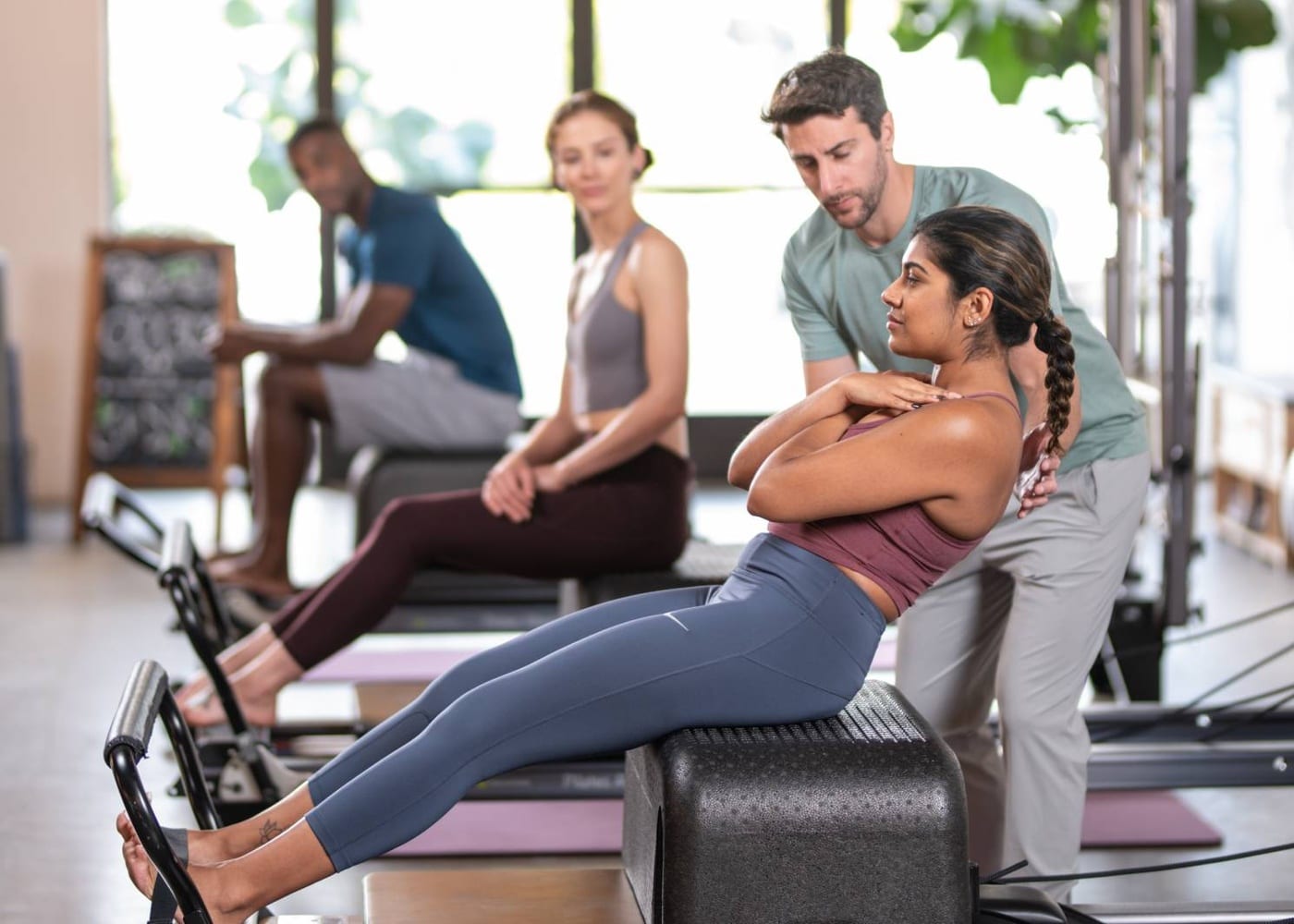
Pilates reformer weight limits explained
Most studio Pilates reformers are rated for 300–350 lb of user weight; lightweight folding machines are often rated 220–250 lb. The rating covers static us
-
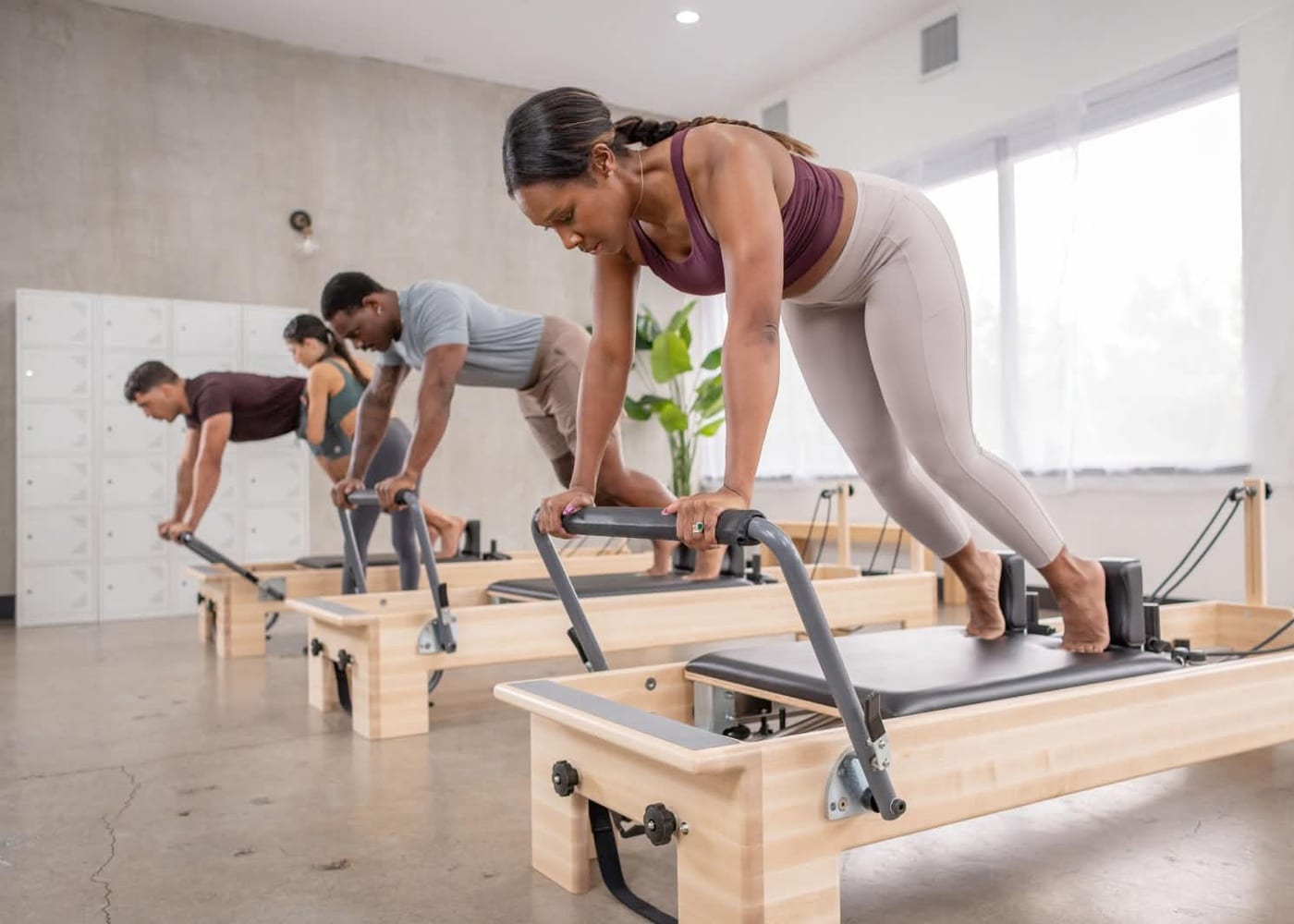
How to inspect a used Pilates reformer
Before buying a used reformer, check carriage side-play at both ends of travel, rope and strap wear, spring free length against spec, frame squareness, uph
From the archive
-
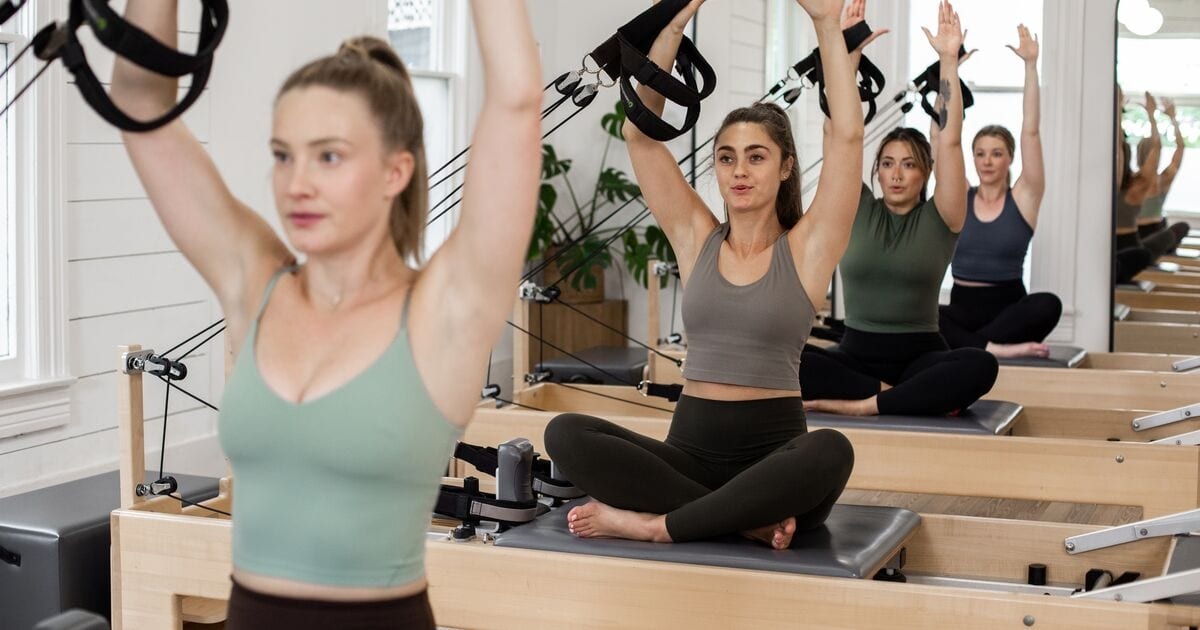
The Business of Pilates Group Reformer
Discover how Group Reformer Pilates boosts engagement, retention, and revenue in commercial fitness settings. Learn more about creating successful Pilates spaces.
-
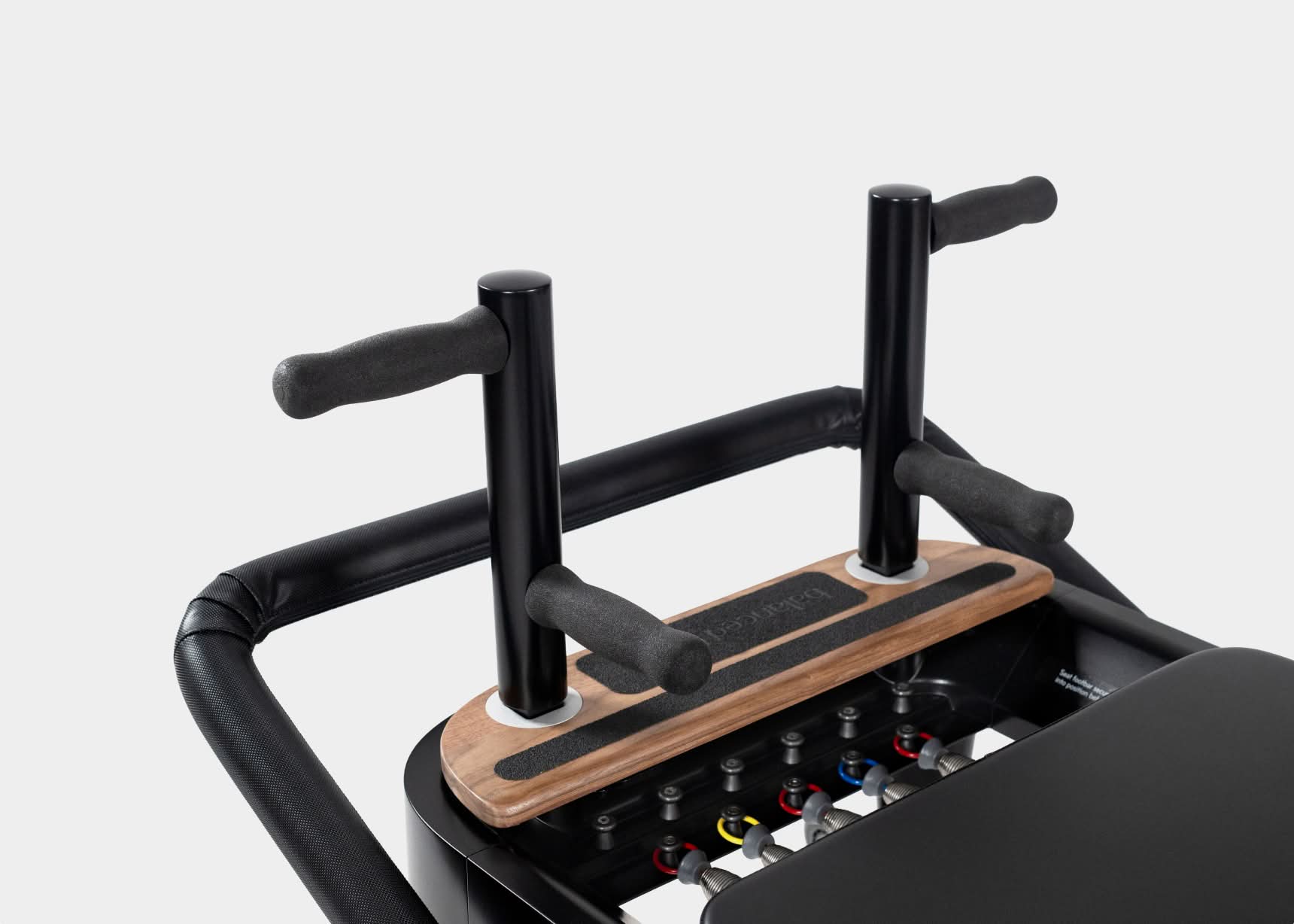
The Ultimate Guide to the Pilates Reformer
Welcome to the most popular and versatile piece of Pilates equipment: the Reformer! Learn how a Reformer works and why it offers unparalleled fitness benefits.
-
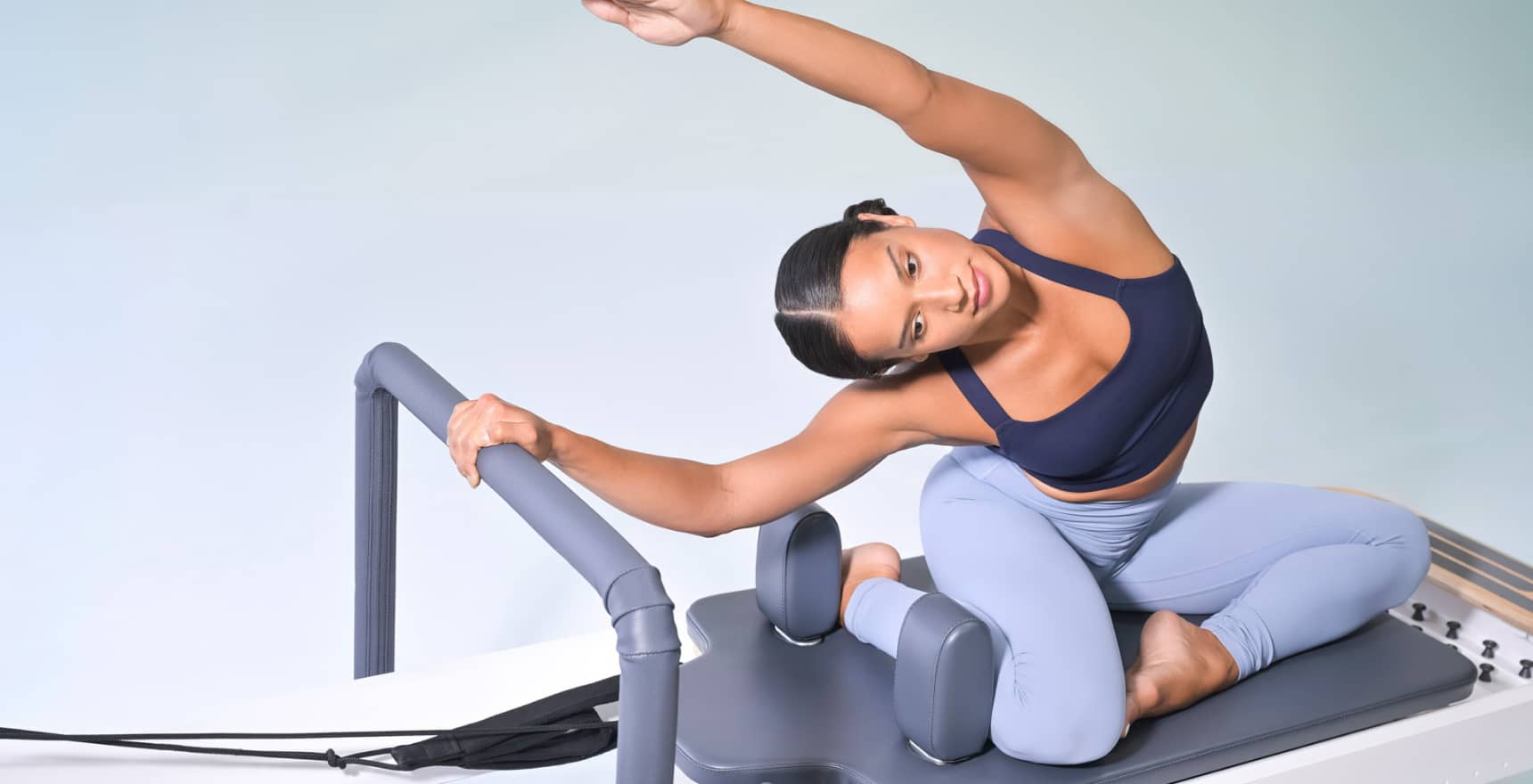
Everything You Need to Know About Reformer Pilates
Curious about Reformer Pilates? Dive into our expert guide. Discover its powerful benefits, master techniques, and revolutionize your fitness. Start your journey!
-
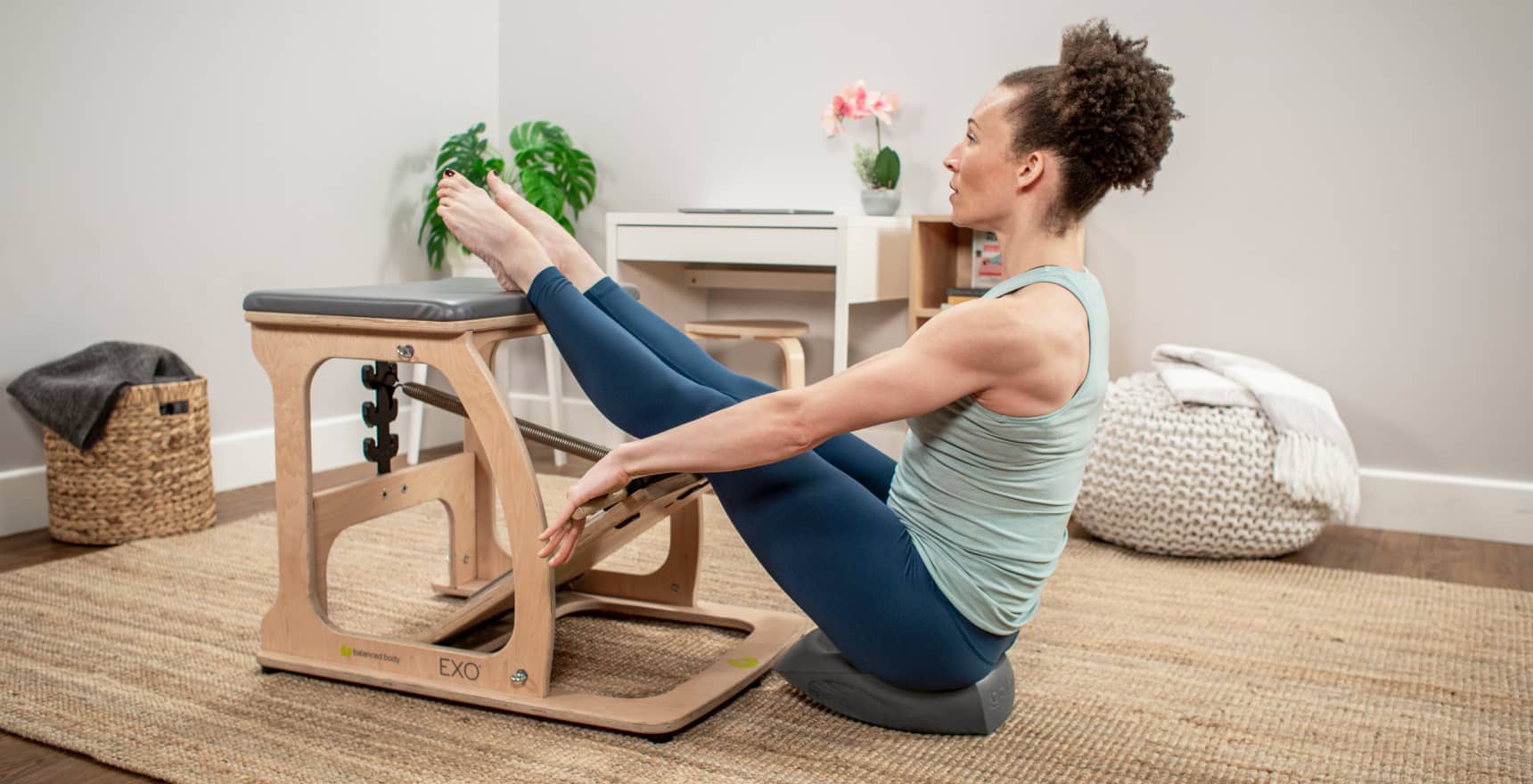
Pilates and the Stroke Patient
Physical therapist Teresa Wong explains how Pilates can help stroke patients build awareness of their body and regain function and control during rehabilitation.
-
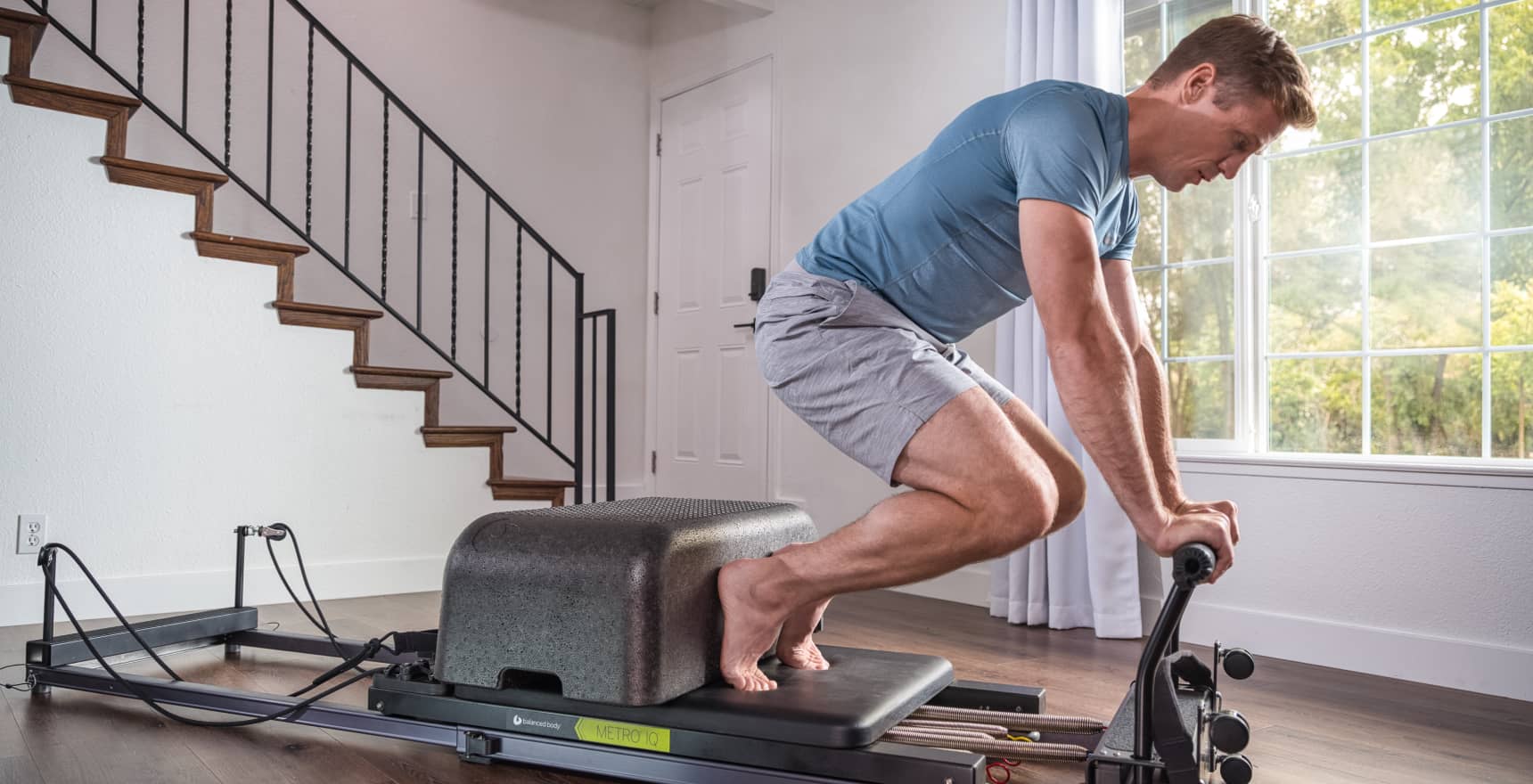
Using Gym Equipment for Pilates-based Movement
Enhance your workout with pilates exercises utilizing traditional gym equipment. Incorporate BOSU, hand weights and more to get a complete workout. Read on.
-
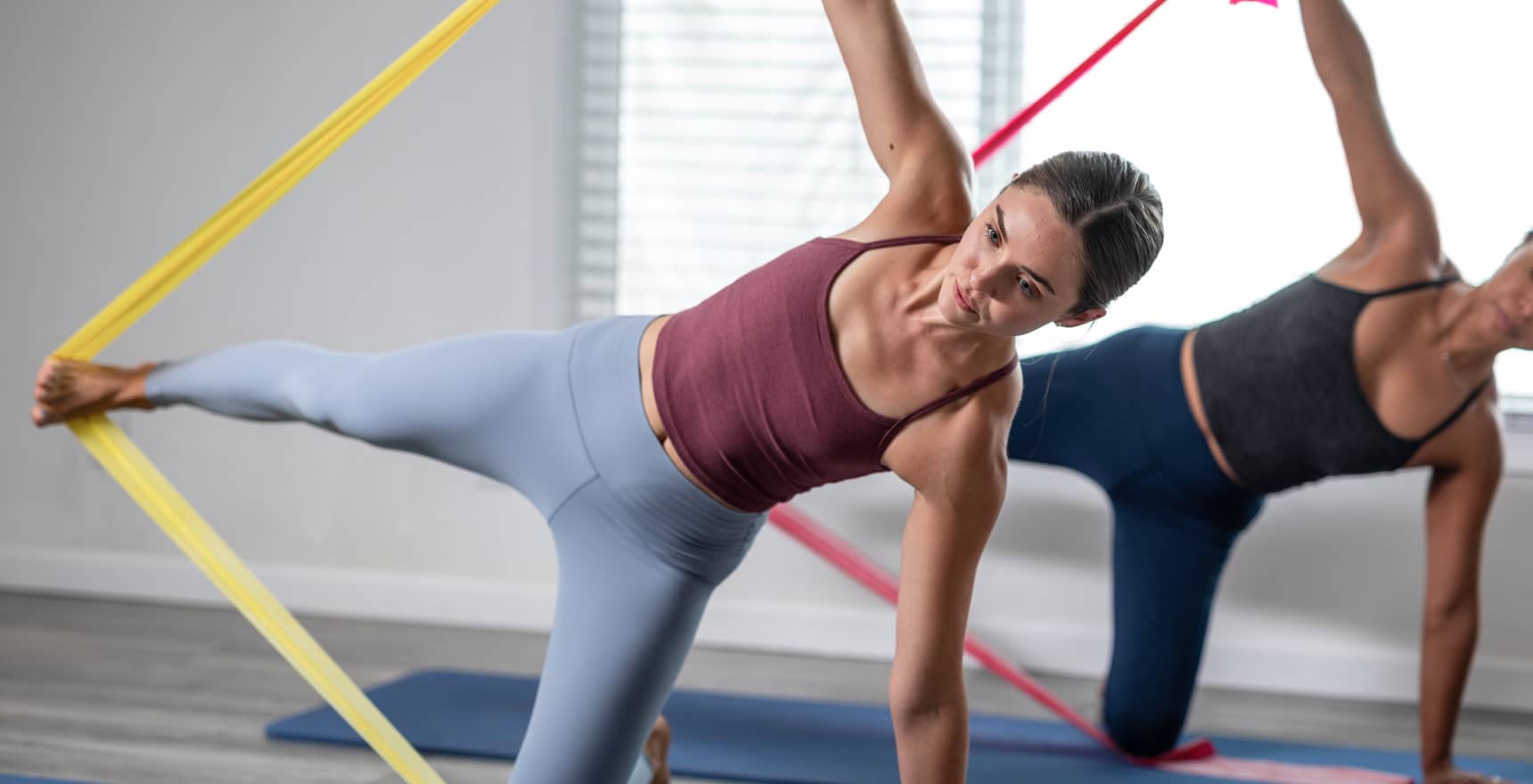
Better Golf (and Less Injuries) with a Reneau Reformers
Is Pilates good for golf? Learn how Pilates can improve spine and hip control for golfers, leading to better golf swings and fewer injuries.
-
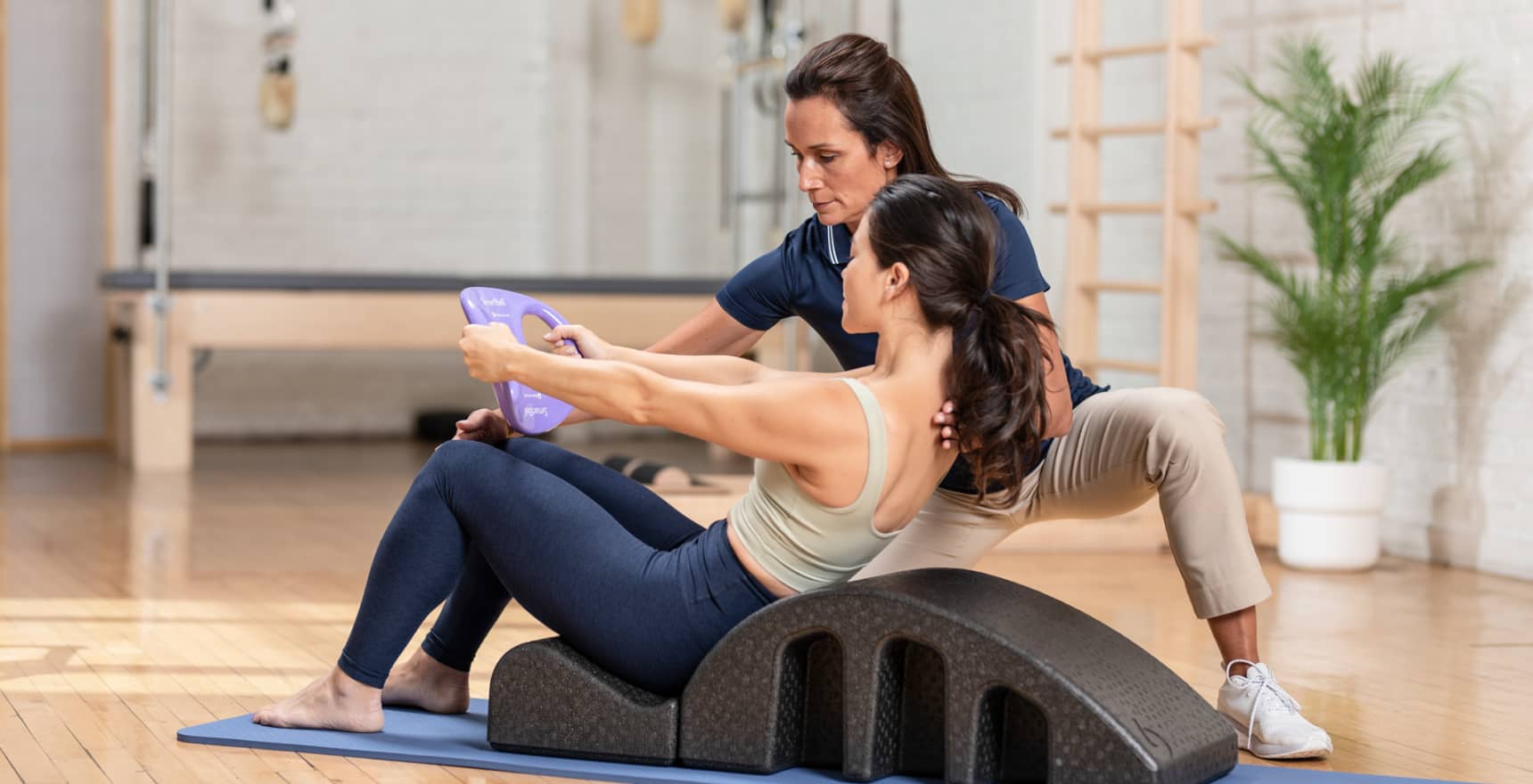
Pilates and Knee Injuries
For an easier orthopedic recovery, include pilates for knee pain and injuries. Learn about the movements to encourage strength and reduce dysfunction.
-

Pilates and the Spinal Cord Compromised Client
Pilates aids spinal cord injury rehab by enhancing posture, alignment, and nerve-to-muscle communication. Learn more about the benefits today.
-

Cancer Survivors:Pilates and an Improved Quality of Life
Learn how Pilates helped a cancer survivor regain core strength, heal emotional scars and build confidence following two surgeries for cancer treatment.
-
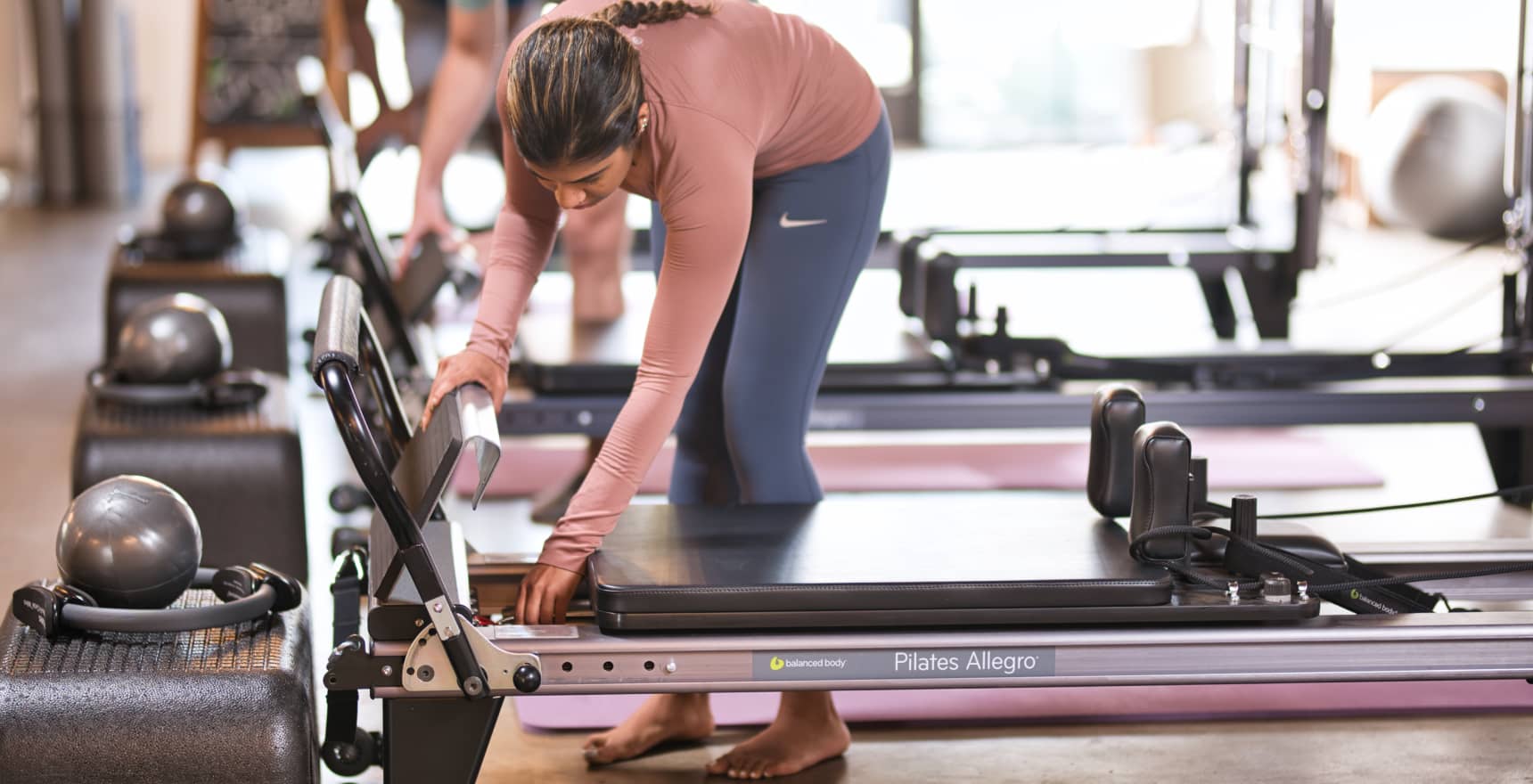
Skilates:The Core of Ski Conditioning and Injury Prevention
Learn how Pilates for skiers can strengthen the knees and back to provide support and help prevent injury when you hit the slopes.
-
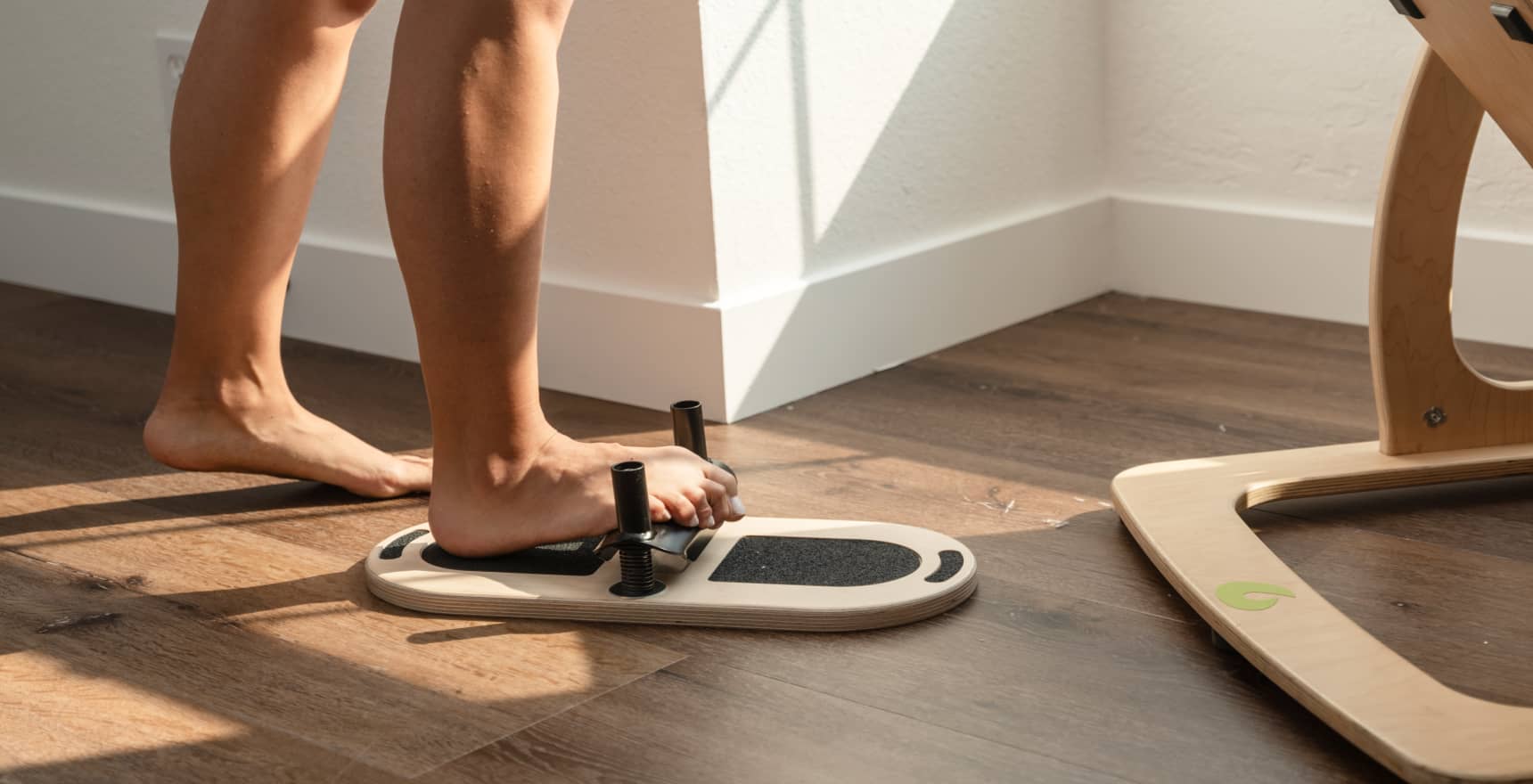
Pilates for People with Parkinson’s Disease
Staying active is crucial to slowing symptom progression in Parkinson's Disease. Learn how Pilates helps sustain muscle and nerve movement potential.
-
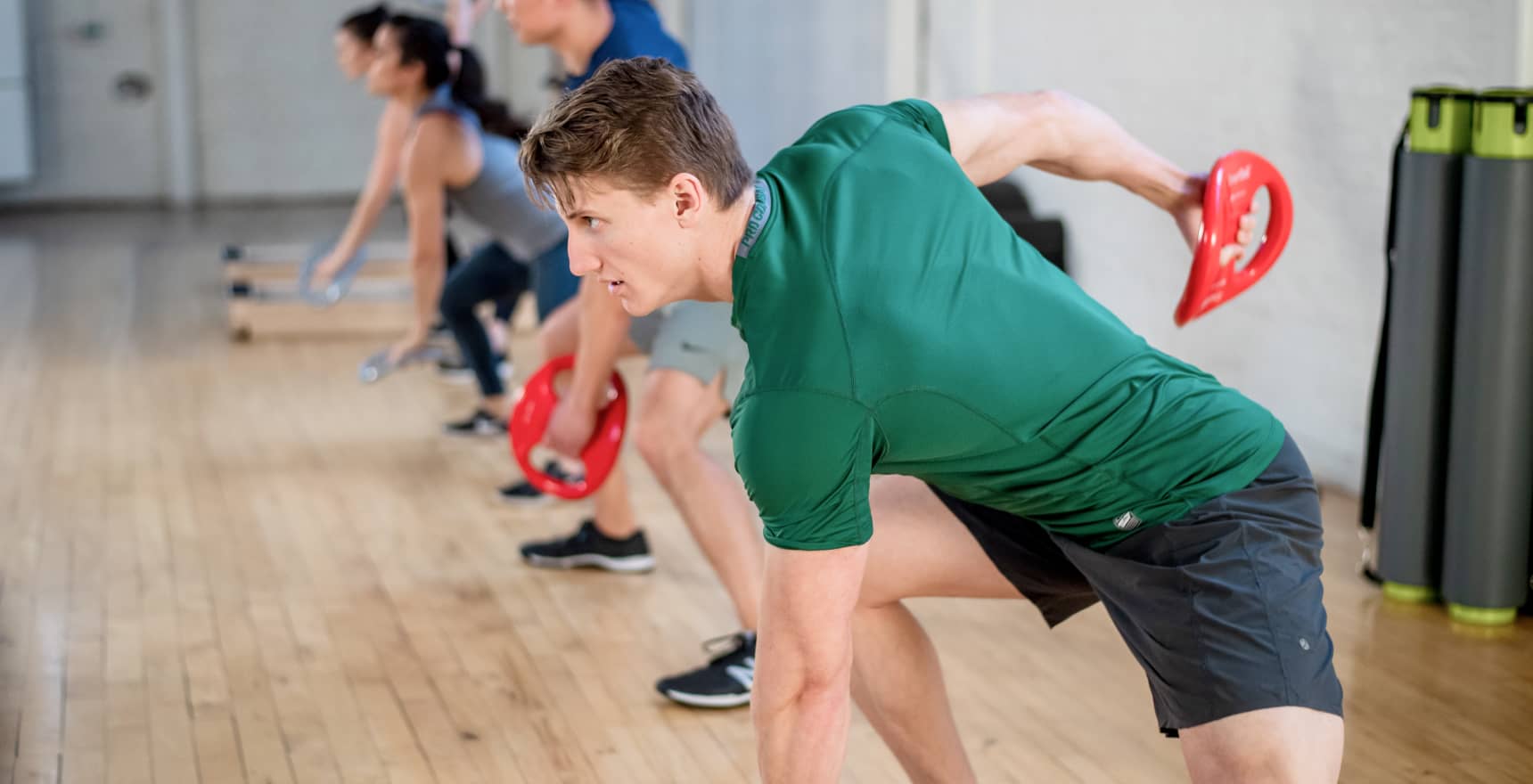
Niche Pilates:Men’s Cycling
Learn how one instructor created a niche Pilates for Cyclists class and why forming a group with a common focus can help build camaraderie and lead to great results.
-
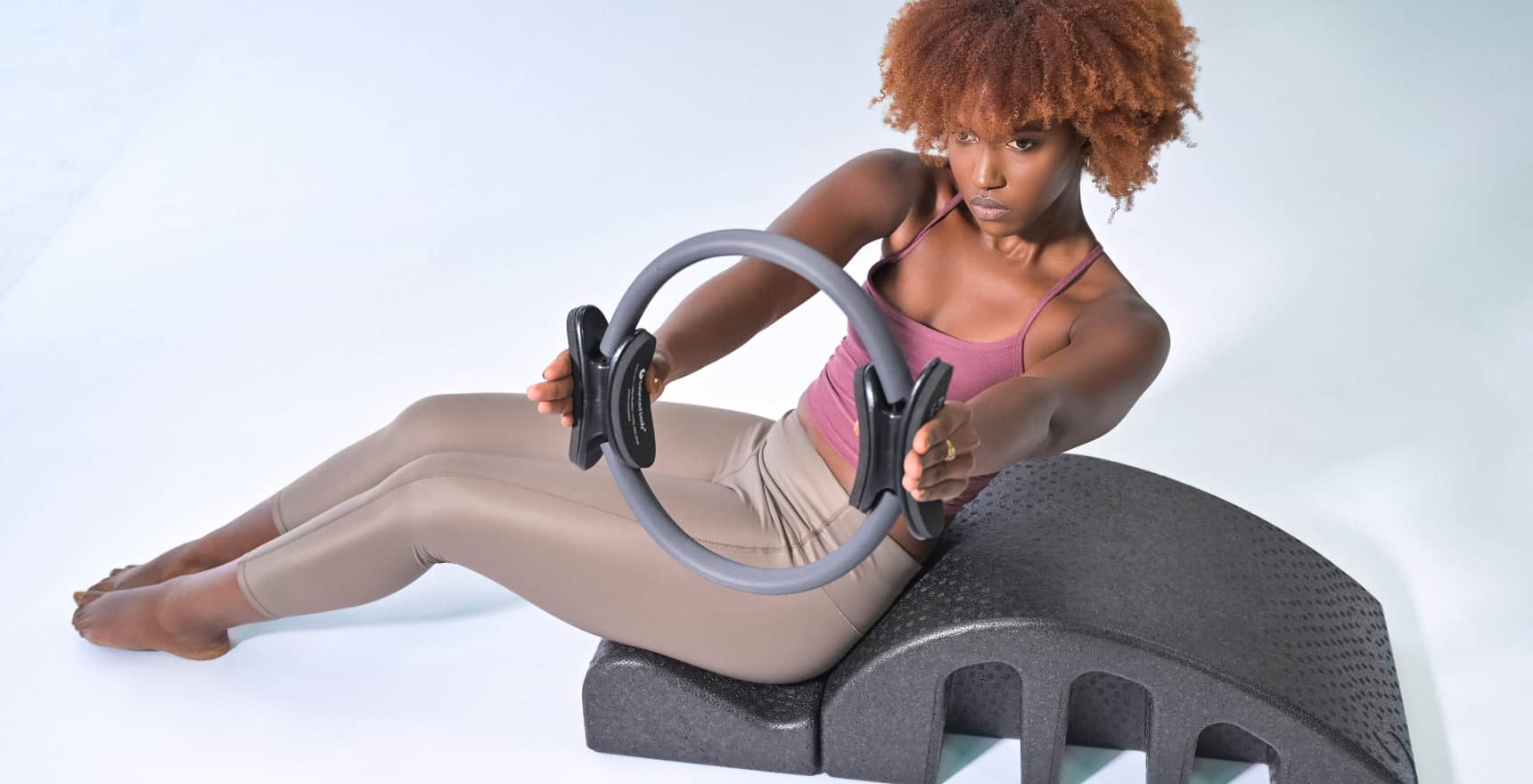
Pilates for Fibromyalgia
Learn how incorporating the gentle stretching of Pilates can help support and strengthen people with Fibromyalgia, both physically and mentally.
-
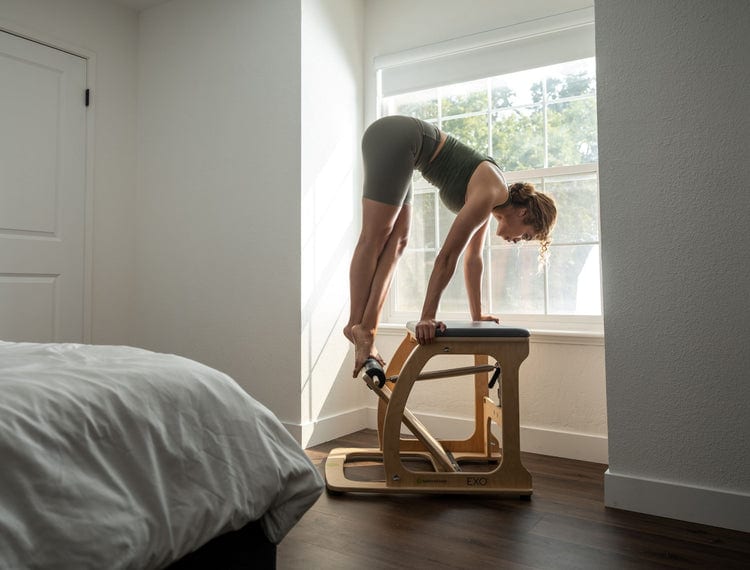
Pilates Programming for the Older Adult
Physical activity is at the crux of successful aging. Learn how to design a Pilates program for seniors, correctly modified for the needs of older adults.
-
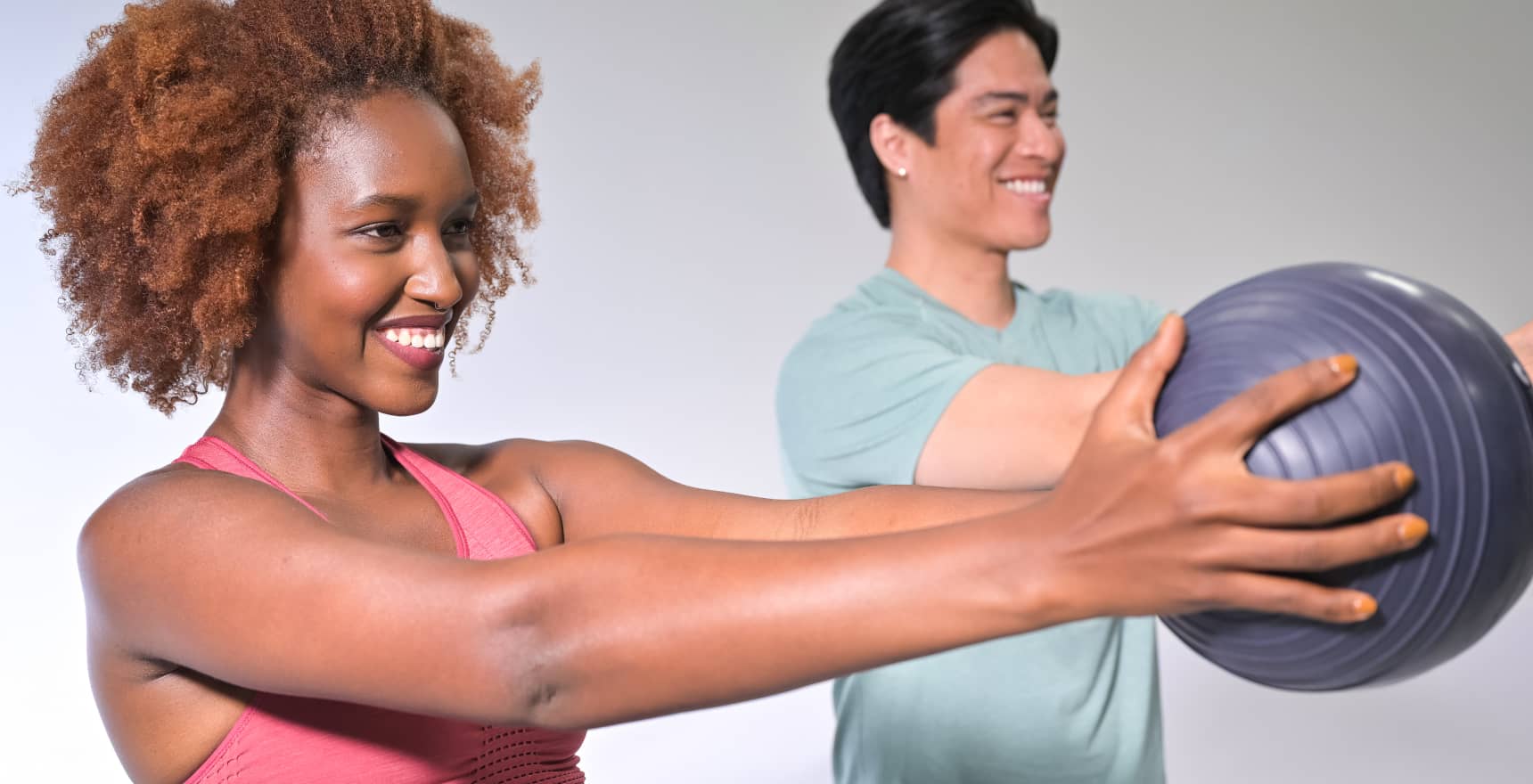
Little Movers:Pilates for Children with Neuromuscular Disorders
Learn why Pilates has become an effective mode of therapy for children with neuromuscular disorders including cerebral palsy, hypertonia, muscular dystrophy, and more.
-
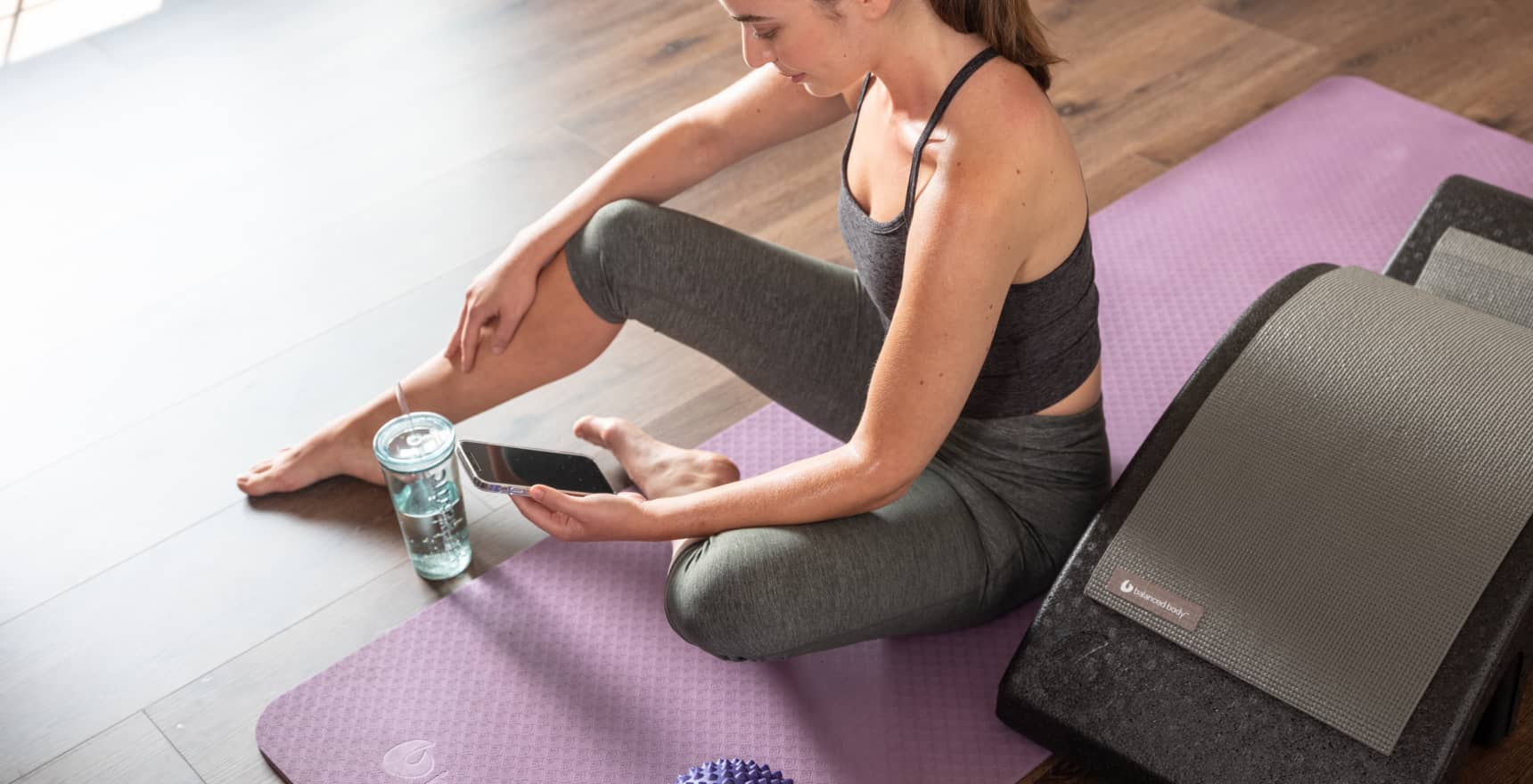
Pilates & Our Children:Fitness for the Future
Learn how Pilates can benefit kids both physically and mentally, from strengthening their core and stamina to boosting their self esteem.
-
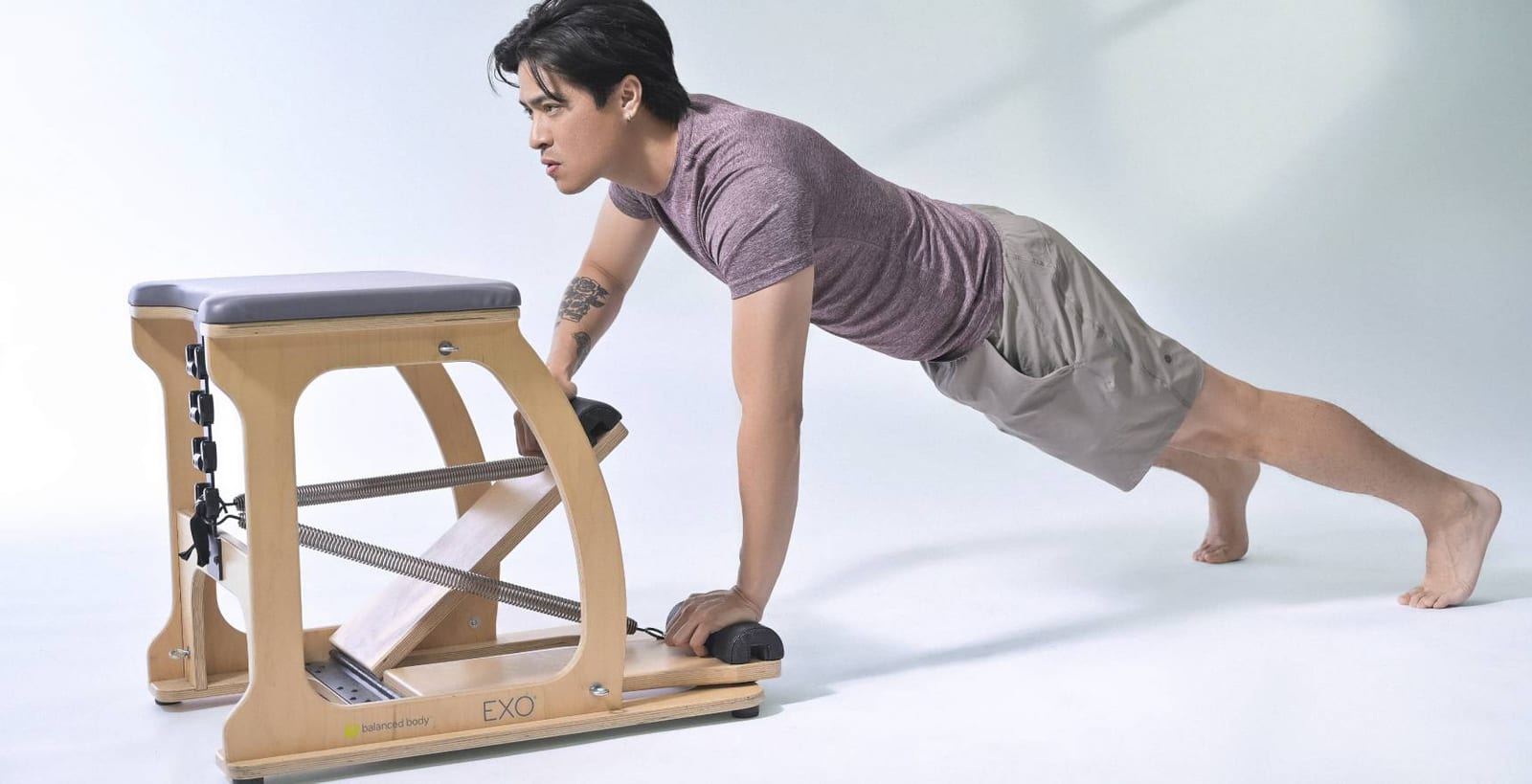
The Pilates Chair:Little Footprint, Big Workout
Learn why the small but challenging Pilates chair is the perfect solution for studios and health clubs that want to offer a new option for clients.
-
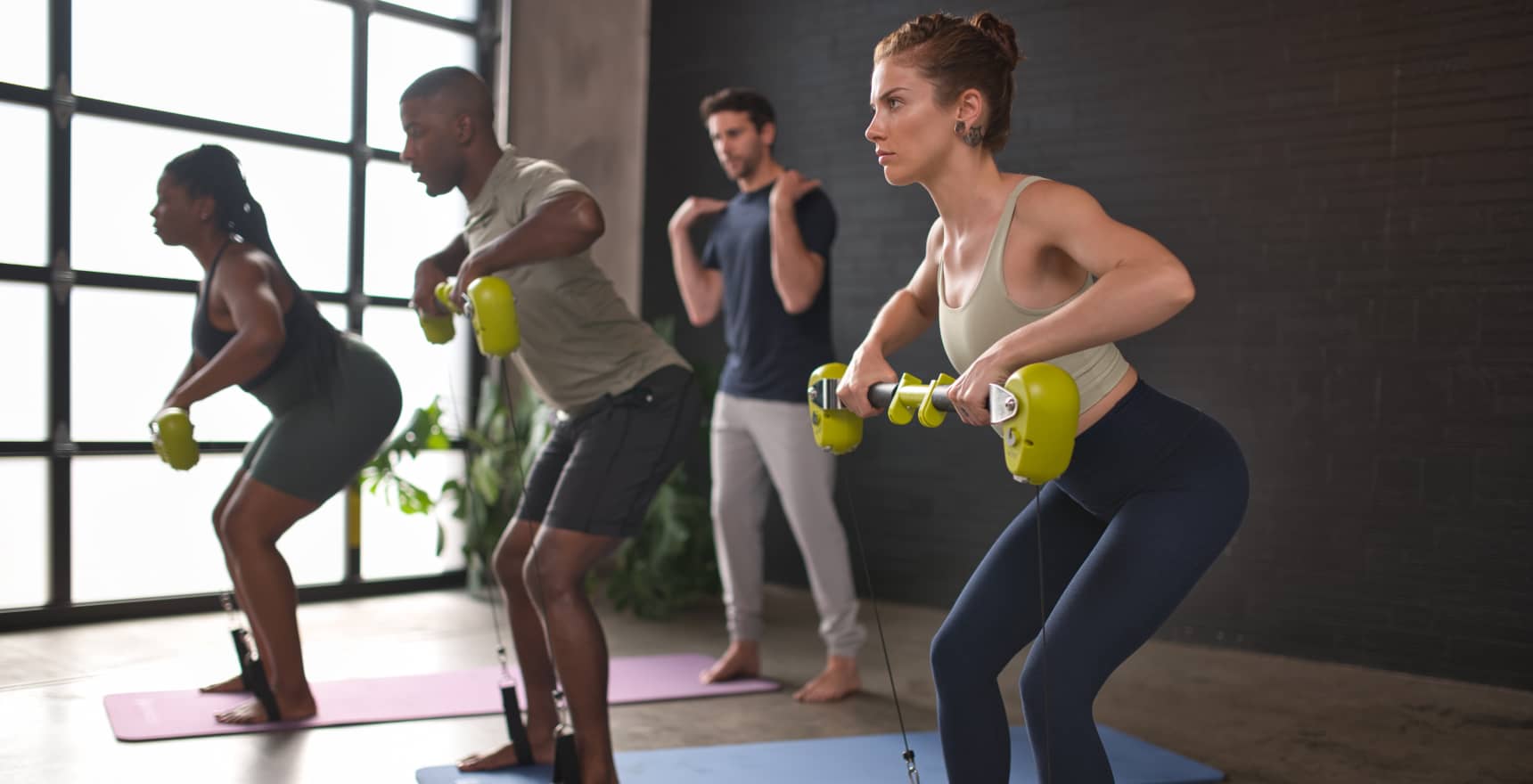
Pilates and Triathletes
Learn about the effectiveness of Pilates for triathletes, especially how Pilates can support good flexibility of the hip musculature which is used in all three disciplines.
-
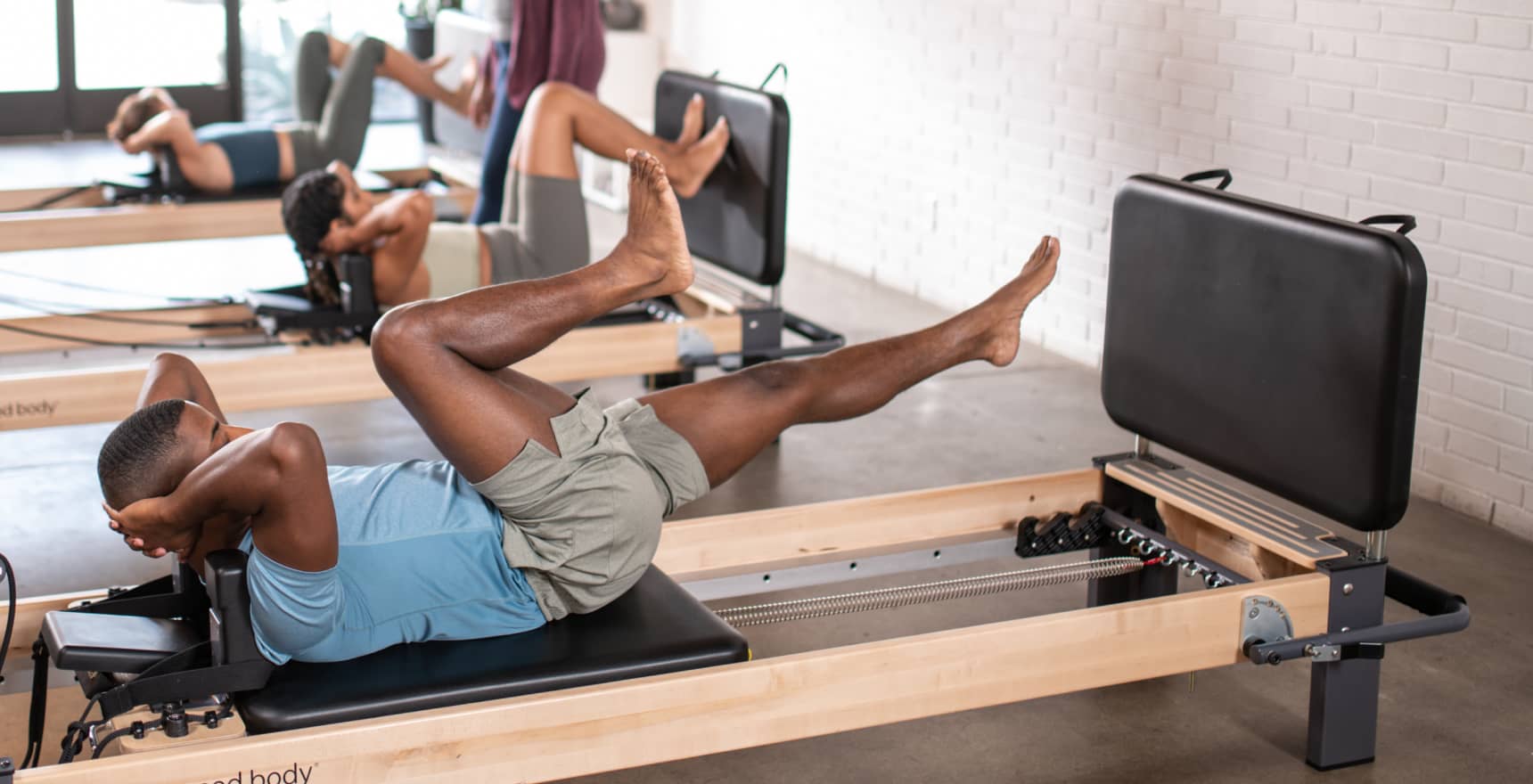
Aerobic Pilates and the Jumpboard
Yes, you can add cardio to your Pilates routine! Learn how to incorporate the Reformer jumpboard to challenge the core, elevate the heart rate, and build speed.
-
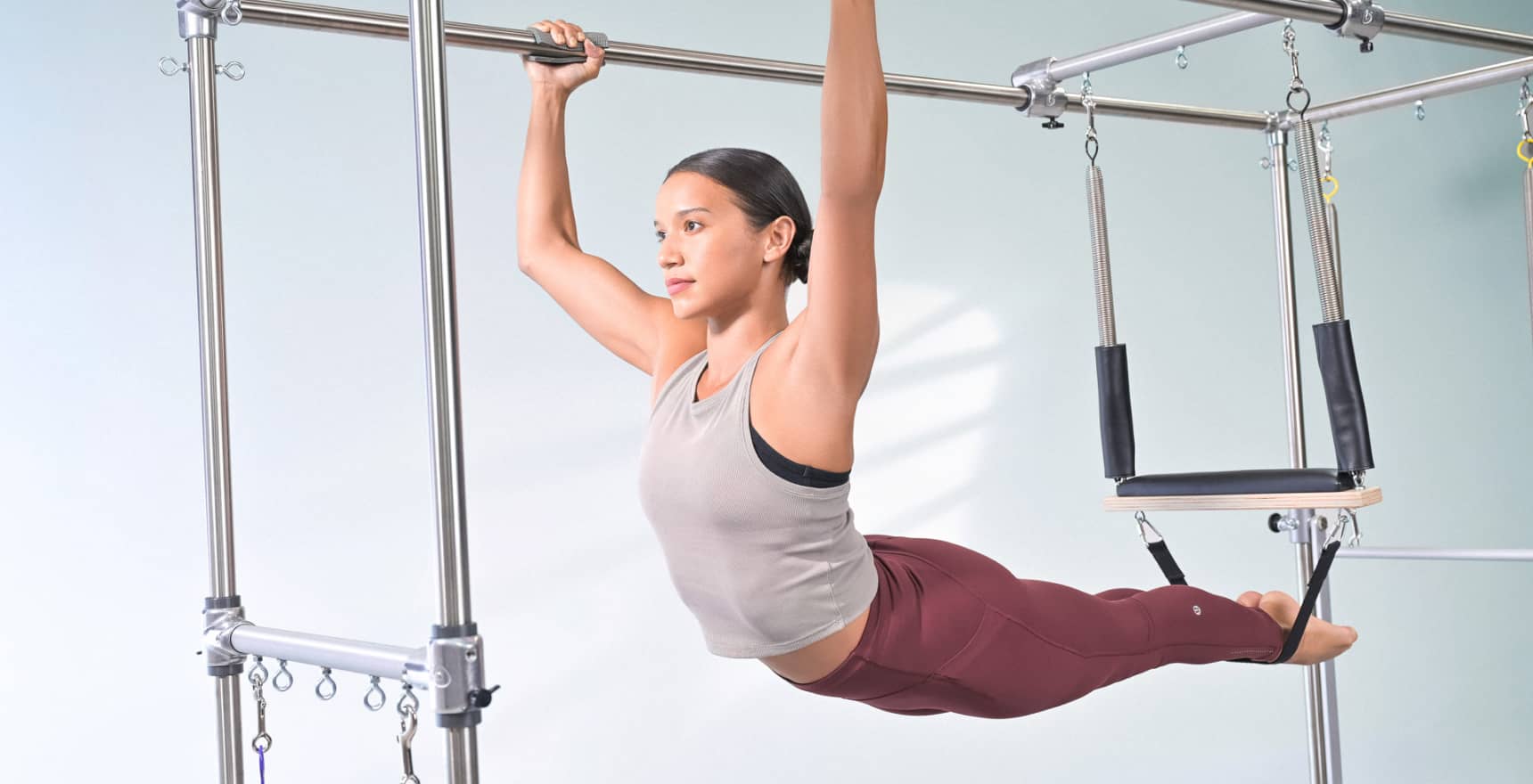
Rehab: A Different Kind of Pilates
Learn why Pilates is equal if not superior to common forms of rehabilitation in physical, psychological and disability measures, leading to positive outcomes for patients.
-
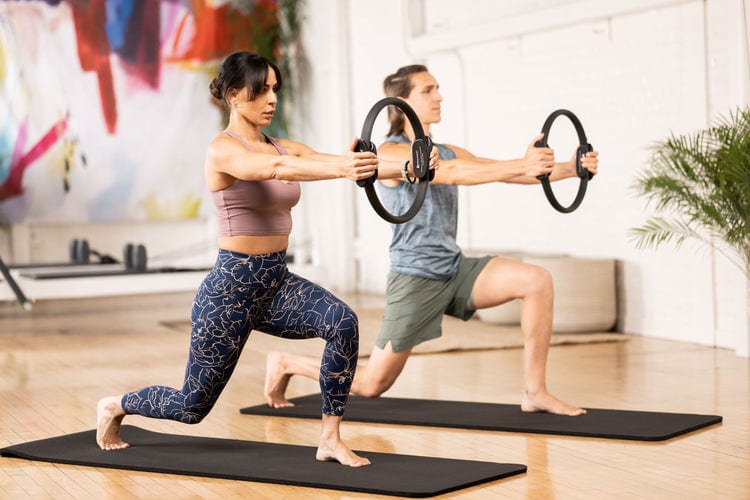
Pilates: Fact Dispels Fiction
Is Pilates too hard, or not challenging enough? Reneau Reformers founder Ken Edelman lays out four myths about Pilates and the truth about this engaging, effective exercise.
-
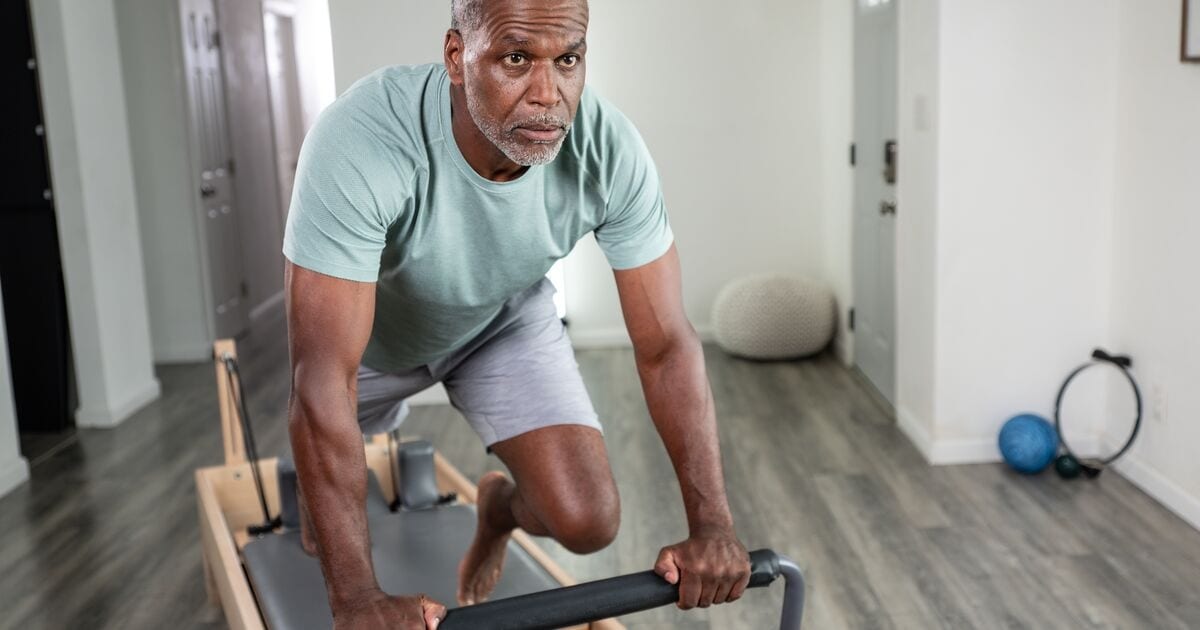
Pilates and Older Adults:A Gentler, Effective Way to Stay Fit
For increased stability with gentle impact on the joints, learn why Pilates is one of the best ways for older adults to stay healthy.
-
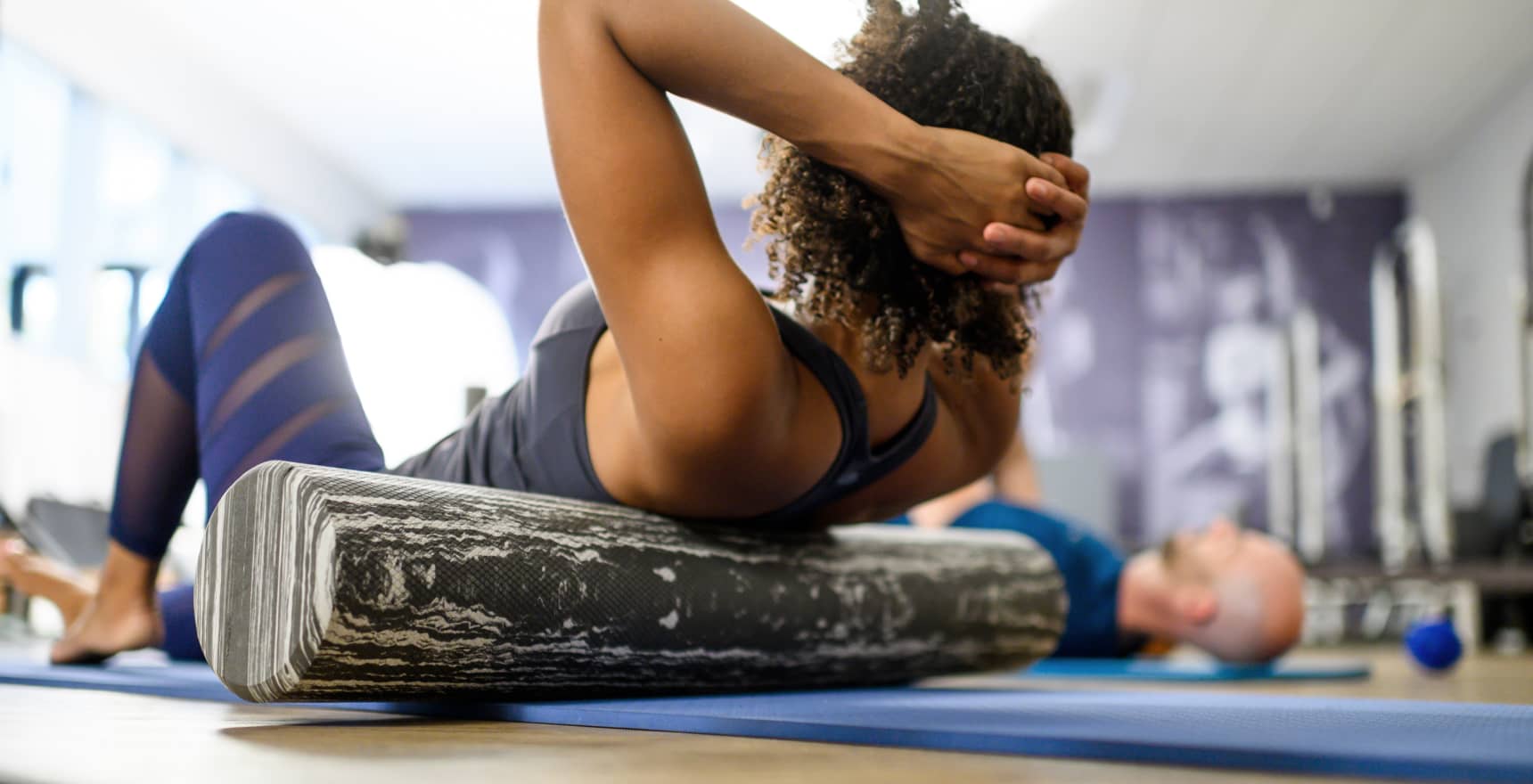
Pilates: Effective For Injury Rehabilitation
Learn about the effectiveness of Pilates for injury rehabilitation, and why physical therapists around the world use Pilates for their patients.