Mechanics & specs
Reformer ropes and risers
The short answer
Rope length should be set so that with arms extended in the starting position, the carriage sits at its home position with the springs just taut. Risers change the angle of pull, raising it for arm work and lowering it for leg work in supine.
Setting length correctly
The reference position is arms straight, carriage home, springs just taut with no slack. If the carriage has already moved before your arms are extended, the ropes are too short; if there is slack, they are too long.
Length needs to change between clients of different heights, which is why adjustment speed matters. Systems that adjust under load save meaningful time in a class.
What risers do
Risers set the height at which the rope leaves the frame, and therefore the angle it pulls at. High risers suit arm work in supine and seated positions; low risers suit leg work, where a high angle would pull the pelvis out of position.
Getting this wrong is a common cause of clients arching in supine leg work — the pull angle is lifting the pelvis rather than loading the legs.
- Arms straight, carriage home, springs just taut
- High riser: arm work, seated and supine
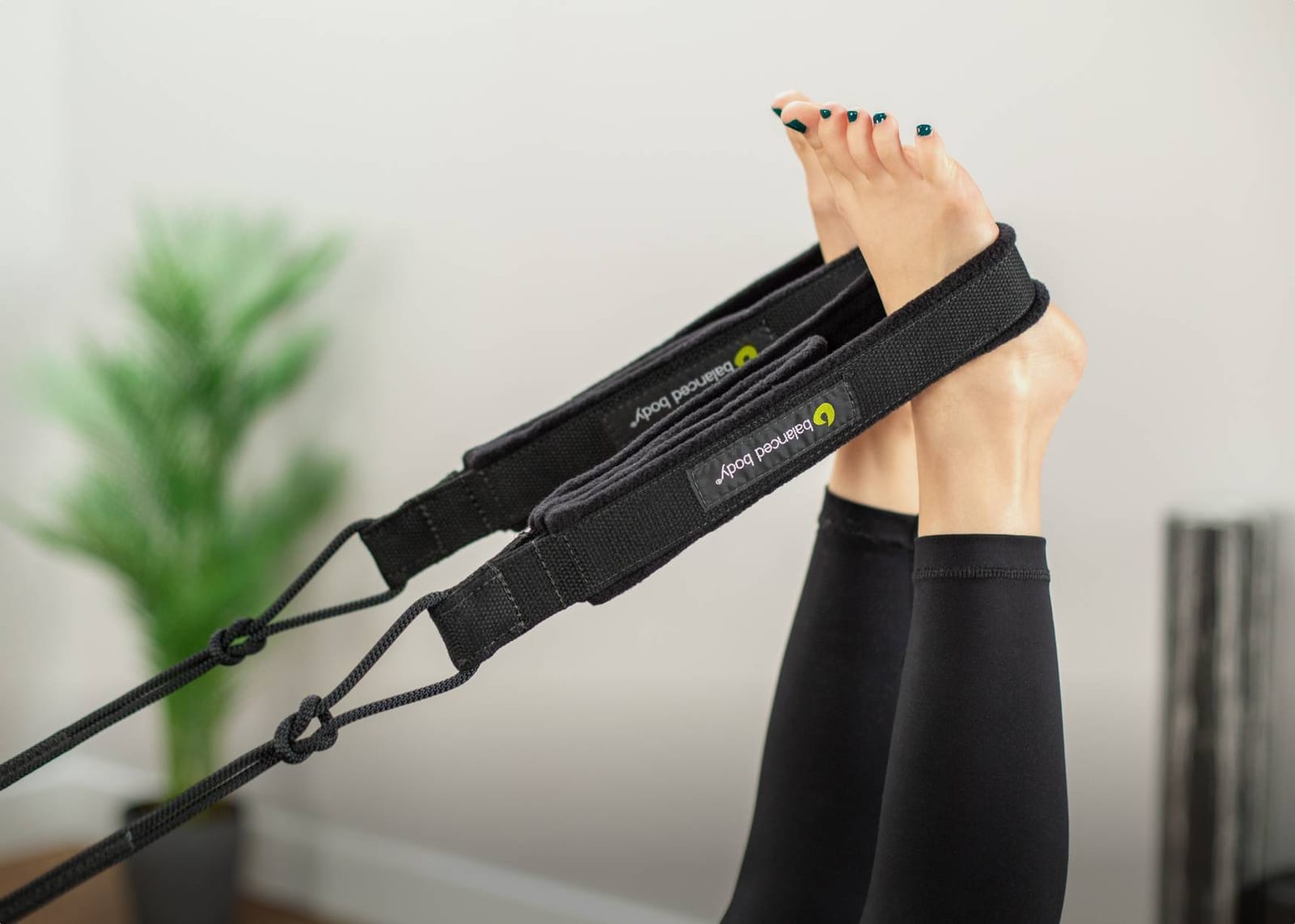
- Low riser: supine leg work, foot straps
- Re-check length whenever the client changes
Rope wear and replacement
Ropes are consumables. They stretch over time, which quietly changes your settings, and they fray where they pass over pulleys. Inspect at the pulley contact points, where wear concentrates.
Replace in pairs. A new rope on one side and a stretched one on the other produces an asymmetry the client will feel and the teacher may misread as a body issue.
Frequently asked questions
- How long should reformer ropes be?
- Set so that with arms fully extended in the start position, the carriage is home and the springs are just taut with no slack.
- How often should ropes be replaced?
- In studio use, every one to two years, or sooner if fraying appears at the pulleys. Always replace in pairs to avoid asymmetry.
- What is the difference between ropes and straps?
- Ropes are adjustable in length and run over pulleys; straps are usually fixed-length loops attached to the ropes. Most machines use both together.