Comparisons
Home vs studio reformers
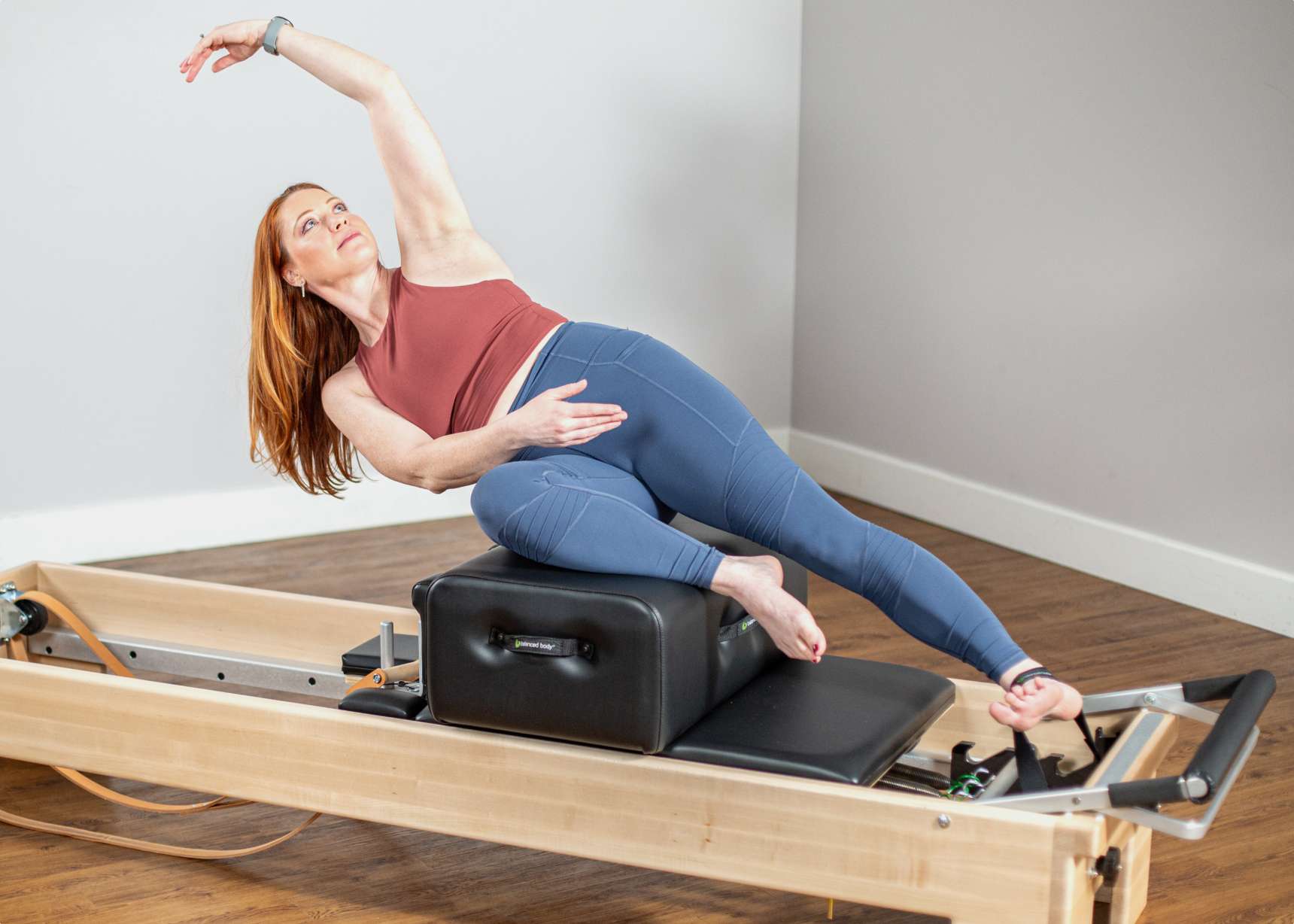
The short answer
The genuine differences are duty cycle, adjustment speed and parts support. A studio reformer is built for 8+ hours of daily use, adjusts fast between clients and has a parts program. Mechanically, a good home reformer is the same machine with a lighter duty rating.
Duty cycle is the real distinction
A studio machine might run forty hours a week. A home machine might run five. Every wear component — bearings, ropes, upholstery, springs — is specified against that expected load, and that is the honest difference between the categories.
For a single home user, a studio-rated machine is over-specified rather than better. It will last a very long time either way, and you are paying for a duty cycle you will never use.
Adjustment speed you will not miss at home
Studio machines invest heavily in fast, tool-free adjustment because a teacher changes settings dozens of times an hour for different bodies. At home, with one or two users, you set the ropes once and rarely touch them.
This is a large part of the price difference and close to worthless in a single-user setting.
Where home machines genuinely fall short
Two places. First, weight rating: home machines are often rated lower, sometimes materially so. Second, parts availability: home-market machines are more likely to be discontinued without a parts program, which caps their life.
Both are checkable before you buy, and both matter more than the home/studio label itself.
Frequently asked questions
- Should I buy a studio reformer for home use?
- Only if you want the higher weight rating or plan to teach clients. For one or two users, a well-made home machine is mechanically equivalent and cheaper.
- Can I teach clients on a home reformer?
- Legally yes, practically it depends on volume. Above about ten hours a week you will start seeing the wear a home duty cycle was not specified for.
- Do studio reformers last longer?
- Under studio loads, yes — that is what they are built for. Under home loads, both last far longer than their parts, so parts availability matters more than the rating.