Accessories & props
The Pilates magic circle
The short answer
A magic circle is a flexible ring squeezed between the hands, thighs or ankles to add resistance and, more importantly, feedback. Its main value is proprioceptive — it tells you whether you are actually engaging the muscles the exercise intends.
Feedback more than resistance
The resistance a magic circle adds is modest. What it does well is give you something to press against, which makes an abstract cue concrete: "engage your inner thighs" becomes "squeeze the ring".
That feedback is why it appears so often in teaching. It converts a cue people nod at into something they can actually feel.
Where it is used
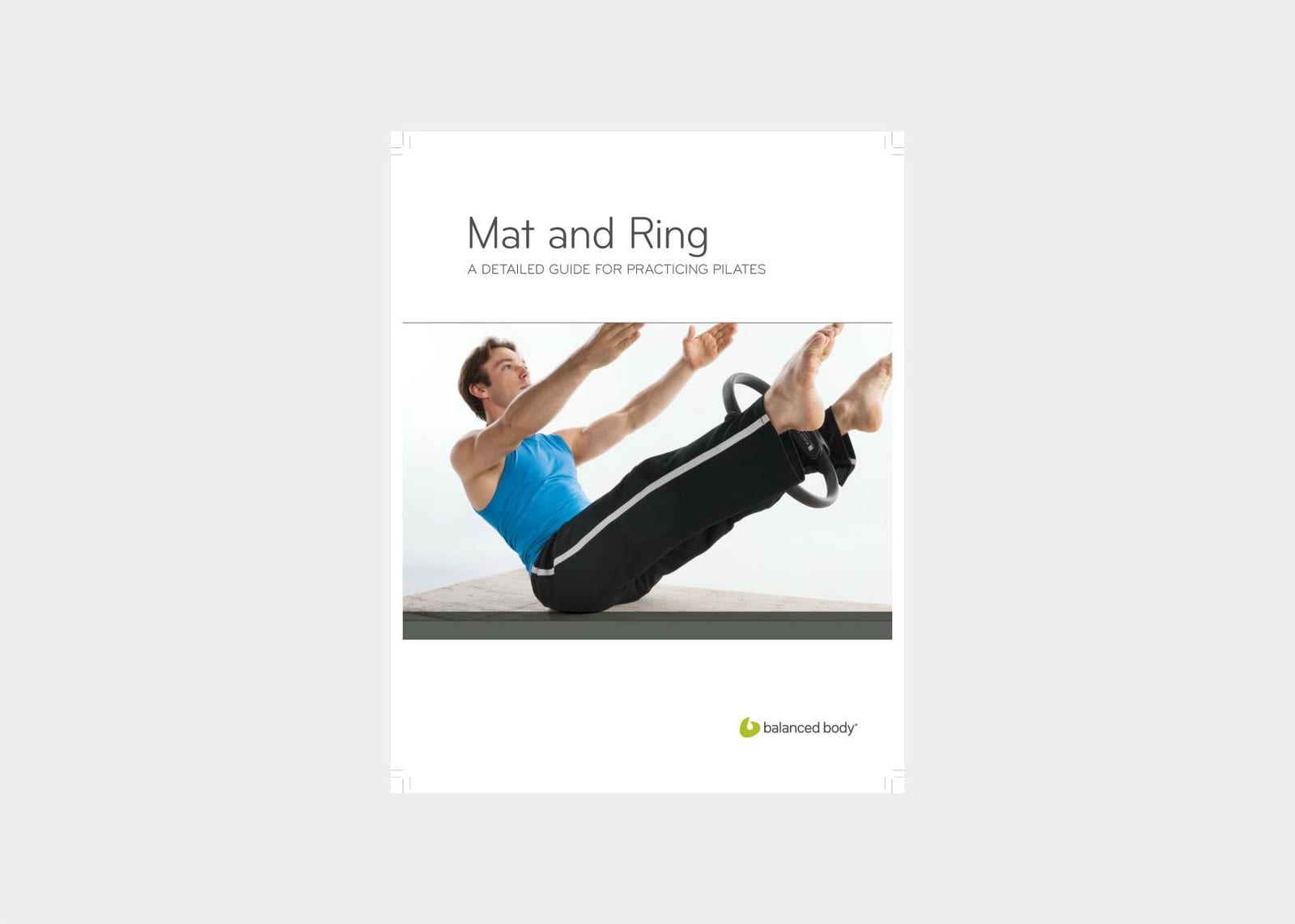
Between the ankles or thighs in supine work to engage the adductors and encourage pelvic stability. Between the hands overhead or in front of the chest for upper-body engagement and to discourage shoulder shrugging.
It also works pressed against a wall or the floor for a fixed point of resistance in standing and side-lying work.
- Between thighs or ankles — adductors, pelvic stability
- Between hands — chest, shoulder positioning
- Against a wall — standing resistance work
- Under one hand in side-lying — shoulder stability
Choosing one
Padded handles are the main variable — a ring without them is uncomfortable between the ankles. Resistance varies between models, and a medium-tension ring suits most people.
Metal-cored rings last longer than fully moulded plastic ones and hold their shape better over years.
Do you need one?
It is inexpensive, takes no space and genuinely helps people find muscles they are not engaging. For a home practitioner working without a teacher, that feedback is worth more than the small amount of resistance.
It is not essential, and everything it does can be approximated with a cushion or a rolled towel. But at its price, it is one of the easier accessory decisions.
Frequently asked questions
- What is a Pilates magic circle for?
- Adding light resistance and, more usefully, proprioceptive feedback — it makes cues like "engage your inner thighs" concrete by giving you something to press against.
- Is a magic circle worth buying?
- It is inexpensive, takes no space and helps people find muscles they are not engaging. Particularly useful for home practitioners working without a teacher.
- What tension should I choose?
- Medium suits most people. The resistance is modest regardless — the value is in the feedback rather than the load.
- Can I use something else instead?
- A cushion or rolled towel between the thighs approximates the feedback for adductor work. It is less versatile for hand and overhead work.