Comparisons
Reformer vs mat Pilates
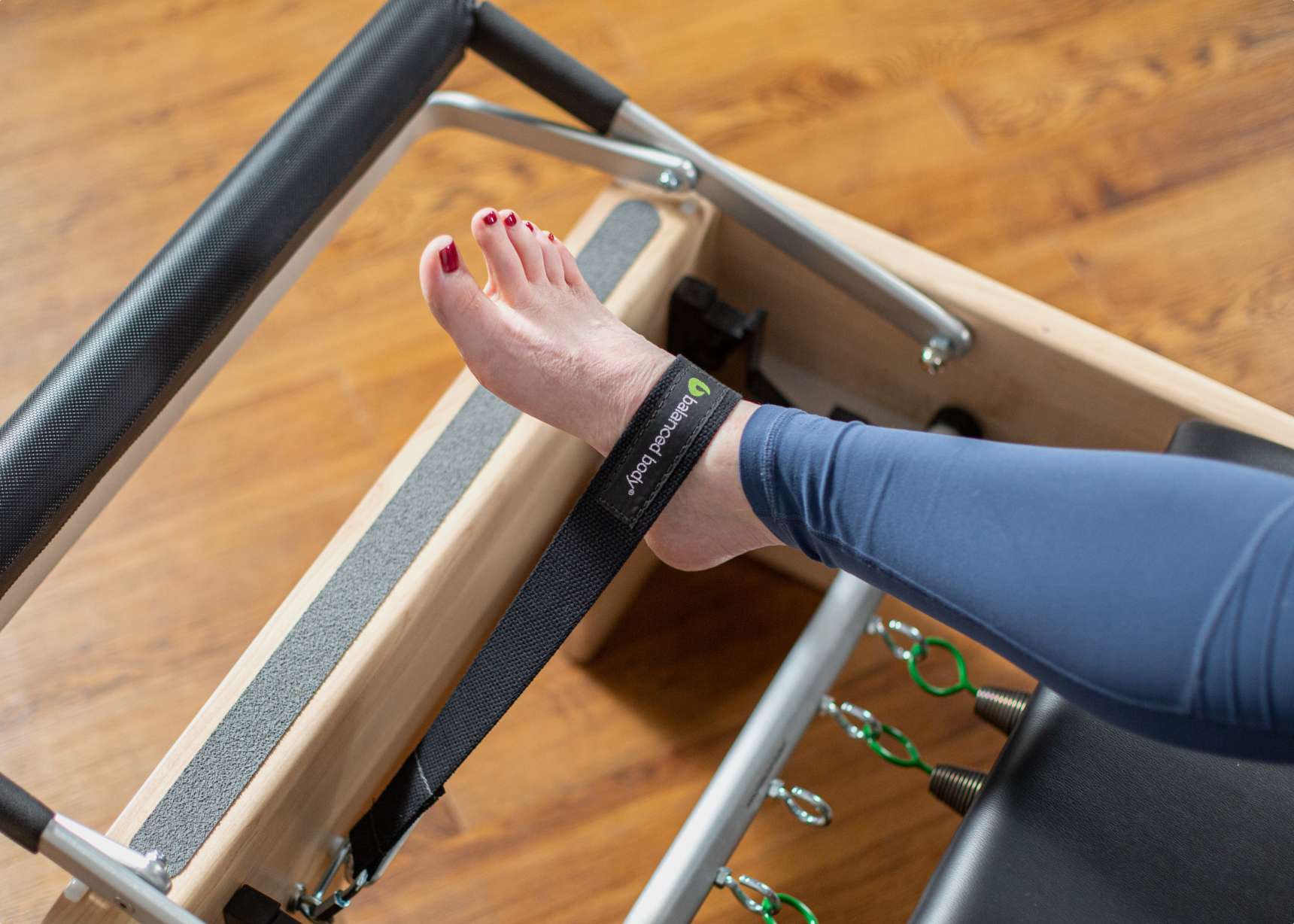
The short answer
Mat Pilates uses body weight and gravity; reformer Pilates adds spring resistance and a moving carriage. The reformer is easier for beginners because the springs assist as well as resist, and harder at the top end because it can load movements the mat cannot.
The springs cut both ways
The most common misconception is that the reformer is the harder discipline. In practice the springs assist as often as they resist. In a roll-up, spring tension supports the spine through the range a beginner cannot yet control unaided — which makes the reformer version easier, not harder, than the mat version.
At the other end, the reformer can load a movement in ways the mat cannot: footwork under heavy spring, long-lever arm work, jumping against resistance. So the reformer has both a lower floor and a higher ceiling.
What the mat does better
Mat work exposes you. With nothing to push against, stability has to come from your own control, and compensations are obvious to a teacher and eventually to you. That feedback is why most serious practitioners keep mat work in their week regardless of equipment access.
It is also portable and free, which matters more than any technical argument for consistency.
What the reformer does better
Three things: assisted range for people who cannot yet achieve it, graded resistance for progressive loading, and support for anyone whose body will not tolerate floor work — post-surgery, pregnancy, significant joint pain.
The moving carriage also adds a stability demand that the mat cannot replicate. Standing or kneeling on a surface that slides under spring load trains balance in a way a static floor does not.
| Mat | Reformer | |
|---|---|---|
| Cost to start | Very low | $1,500+ or class fees |
| Beginner accessibility | Harder — no assistance | Easier — springs assist |
| Ceiling for load | Limited to body weight | High — graded springs |
| Feedback on compensation | Excellent | Good, but easier to cheat |
| Suits limited mobility | Often difficult | Usually much better |
The honest recommendation
Do both, and if you can only do one, choose by your starting point. If you are deconditioned, rehabilitating, pregnant or find floor work painful, start on the reformer — the assistance is the point. If you are already reasonably strong and want the cheapest route to a consistent practice, start on the mat and add reformer work when you want progressive load.
What each costs to start and to sustain
Mat Pilates costs almost nothing to begin — a mat and floor space. Reformer work needs either class fees or a machine. Past about two classes a week, buying a machine becomes the cheaper option within a year, which is the crossover point most people are actually deciding around.
| Mat at home | Studio reformer classes | Home reformer | |
|---|---|---|---|
| Year 1 | $60 | $2,900 at 2×/week | $2,500 |
| Year 2 | $0 | $2,900 | ~$50 |
| Two-year total | $60 | $5,800 | $2,550 |
| Feedback | None | Excellent | Limited |
Why the mat exposes what the reformer hides
A reformer constrains the movement path and the springs can mask a weaker side. That is exactly what makes it good for rehabilitation, and it is also why compensations survive on the machine that the mat would reveal immediately.
This is the strongest argument for keeping both rather than choosing. Reformer work for progressive loading and supported range; mat work as the diagnostic that tells you whether your control is genuine or borrowed from the equipment.
A sensible way to combine them
Two reformer sessions and one mat session a week is a well-balanced default. The reformer sessions carry the loading and the range work; the mat session keeps you honest and costs nothing.
If you only have equipment access twice a month, the reverse works too — mat as the base practice, reformer as the periodic session that unlocks range you cannot reach unaided.
Frequently asked questions
- Is reformer Pilates harder than mat?
- Not necessarily. Springs assist as well as resist, so many exercises are easier on the reformer. It has a lower entry point and a higher ceiling than mat work.
- Can I do mat Pilates on a reformer?
- Yes — many mat exercises transfer to the carriage with light or no spring, which adds an instability challenge. It is a common way to progress mat work once it becomes easy.
- Do I need mat experience before using a reformer?
- No. Many people start directly on the reformer, and the spring assistance often makes it the more approachable entry point.
- Should I start with mat or reformer?
- Reformer, for most people. Spring assistance makes movements achievable that body weight alone does not, and the carriage sits at chair height so there are no floor transfers.
- Is mat Pilates enough on its own?
- For core control and body awareness it is a complete practice. What it cannot do is progressively load a movement or support someone who cannot yet hold themselves against gravity.