Comparisons
Reformer vs Pilates chair
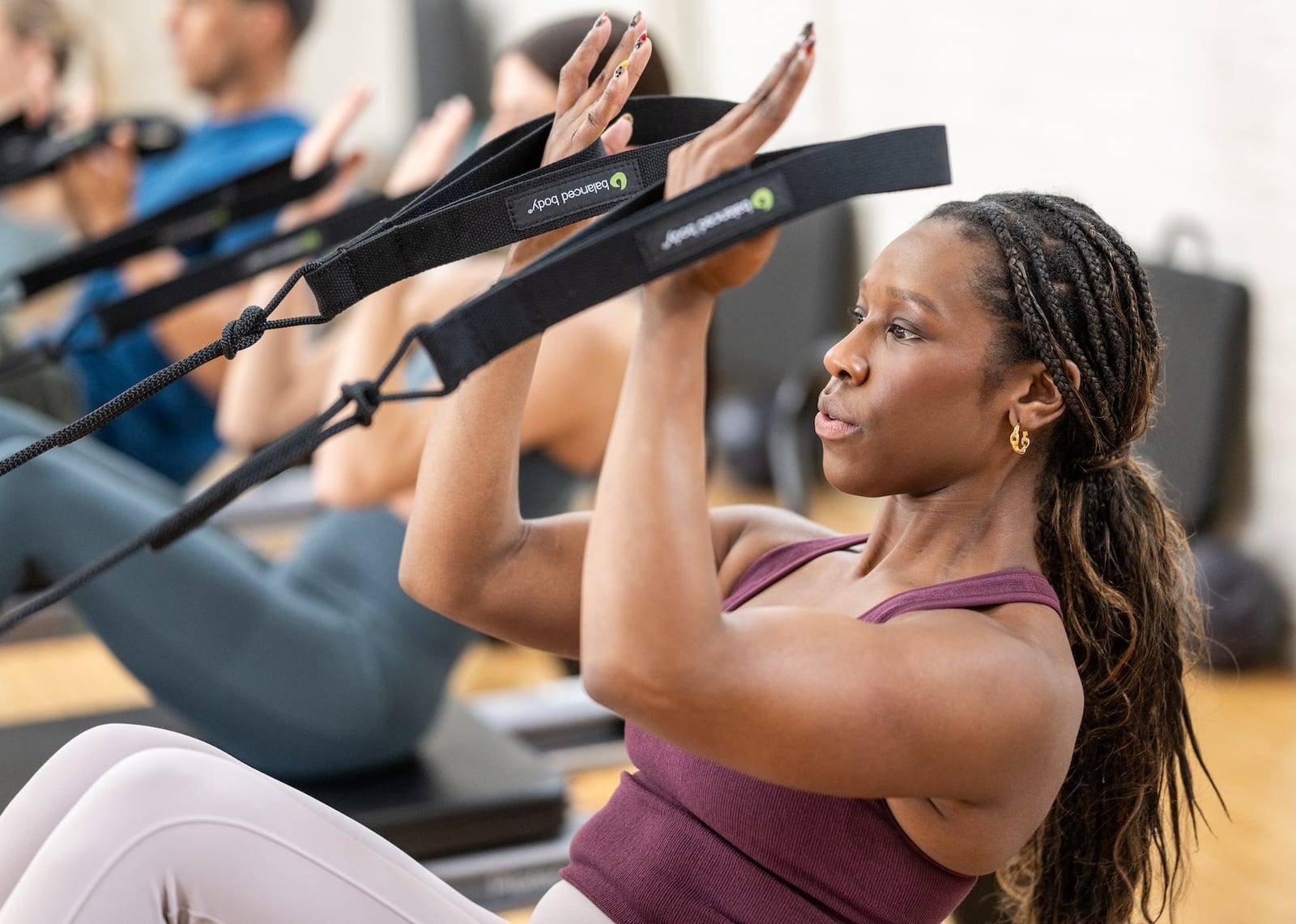
The short answer
Buy the reformer first. It covers substantially more of the Pilates repertoire and is the apparatus most classes and programs are built around. The chair is the best second purchase — it adds standing and seated work in about a quarter of the footprint.
Coverage per dollar
The reformer supports the widest range of the classical repertoire of any single apparatus, and almost every taught program assumes access to one. If you buy one machine, this is it.
The chair is more specialized. Its repertoire is smaller but not lesser — it is unusually good at standing work, unilateral loading and upper-body pressing, all of which the reformer handles less directly.
Footprint tells a different story
A chair occupies about 2 ft square against the reformer’s 8 ft × 2 ft 3 in plus clearance. If your constraint is genuinely space rather than money, a chair may be the only serious apparatus that fits — and it is a demanding one.
For very small rooms, a chair plus a good mat covers more ground than most people expect.
| Reformer | Chair | |
|---|---|---|
| Working footprint | ~10 × 6 ft | ~5 × 5 ft |
| Repertoire breadth | Widest single apparatus | Narrower, complementary |
| Standing work | Limited | Strong |
| Beginner friendly | Yes, with spring assist | Demanding without handles |
| Typical cost | Higher | Lower |
Frequently asked questions
- Is a Pilates chair harder than a reformer?
- Generally yes. With less to hold and no carriage to support you, stability demands are higher — particularly on a classical Wunda chair without handles.
- Can a chair replace a reformer?
- No. They overlap only partially, and most taught programs assume reformer access.
- What is the best second piece of Pilates equipment?
- A chair, for most people. It adds the most new repertoire per square foot once you already have a reformer.