Technique & progression
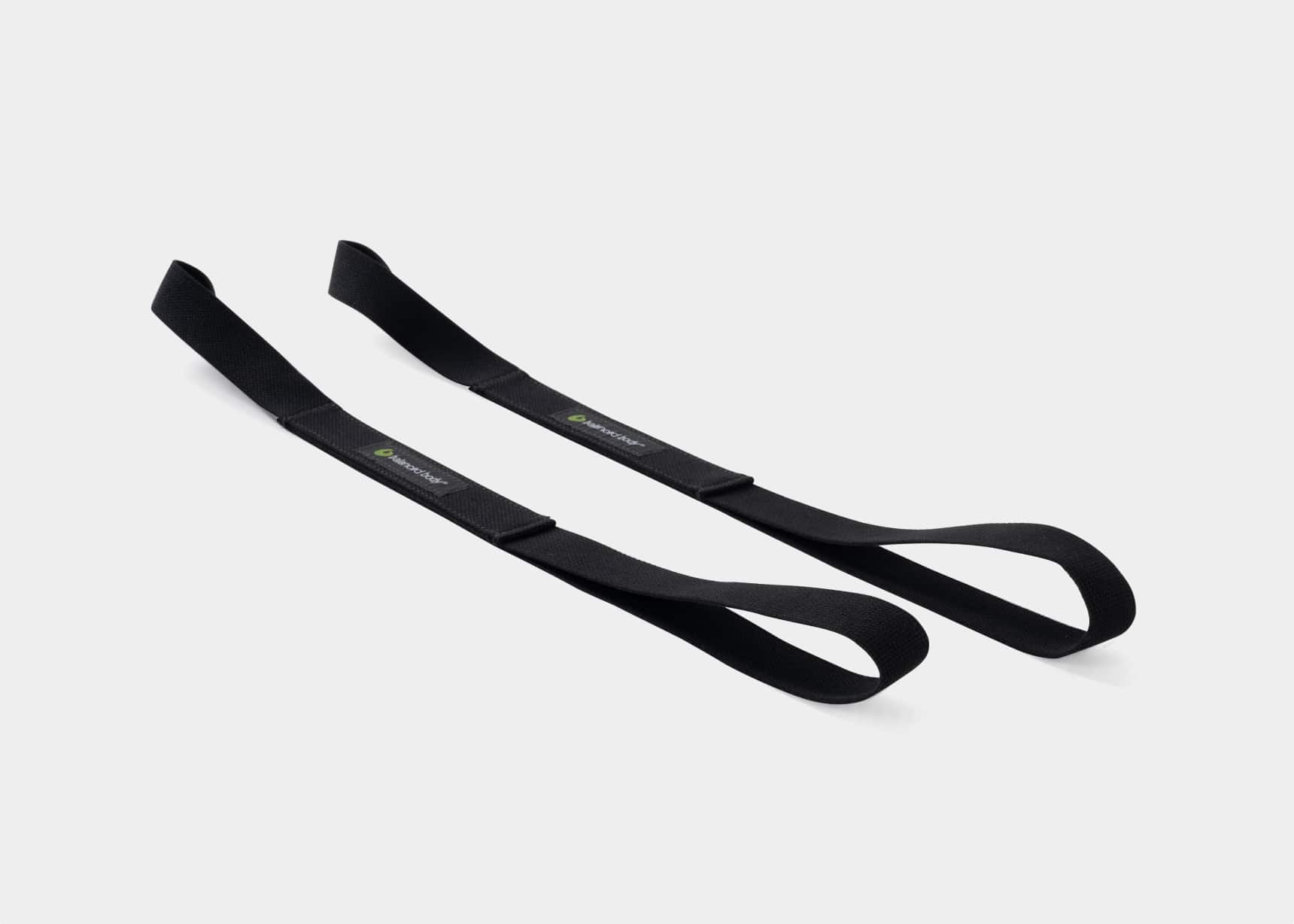
Reformer strap work technique
The short answer
In strap work the pelvis and ribcage stay still while the limbs move. Most errors come from letting the trunk contribute — rocking the pelvis to make leg circles larger, or arching the back to reach further in arm work.
The trunk is the anchor, not a contributor
Every strap exercise is a limb movement performed from a fixed trunk. The moment the pelvis rocks or the ribs lift, the movement has stopped being about the hip or shoulder and started being about the spine.
This looks like more range and is actually less. A smaller circle with a still pelvis trains the hip; a larger one with a moving pelvis trains very little.
Getting the setup right
Rope length and riser height both matter. Ropes too long leave slack at the start; risers too high in supine leg work pull the pelvis out of position.
Set up before you start rather than adjusting mid-set, and re-check whenever the exercise or the person changes.
- Arms extended, carriage home, springs just taut
- Low risers for supine leg work, high for arm work
- One spring is standard for most strap exercises
- Hands or feet fully through the loops before loading
- Both sides set to identical length
Feedback you can use alone
For leg circles, rest a hand on each hip bone. Any movement there means the circle is too large for your current control.
For arm work, keep the lower ribs down. If they lift as the arms move overhead, that is the boundary of your usable range today.
Light springs are correct
One spring is standard for arm and leg strap work, and it is enough. Adding spring usually means the larger muscles take over and the control benefit disappears.
Strong lifters routinely underestimate this and then wonder why one spring feels difficult. The demand is control, not force.
Frequently asked questions
- How many springs for strap work?
- One is standard for most arm and leg strap exercises. More usually means larger muscles take over and the control benefit disappears.
- Why do my hips rock during leg circles?
- The circle is larger than your current control allows. Rest a hand on each hip bone and reduce the circle until they stay still.
- What riser height should I use?
- Low risers for supine leg work, high for arm and seated work. A high riser in leg work pulls the pelvis out of position.
- Why does one spring feel so hard?
- Because the demand is continuous control rather than peak force. Constant spring tension prevents momentum and stops the shoulder disengaging.