Care & maintenance
Annual reformer service checklist
The short answer
An annual reformer service covers frame squareness, all fasteners, carriage wheels and rails, spring free lengths, rope and strap condition, footbar lock, upholstery, and levelling. It takes about 45 minutes per machine and prevents most unplanned failures.
Work through it in order
Start structural and work toward consumables. A frame that measures out of square makes everything downstream of it irrelevant, so it is the first check rather than the last.
- Measure both frame diagonals — more than 1/8 in difference means the frame has racked
- Check and torque every fastener to the manufacturer spec
- Clean rails fully and inspect for scoring
- Spin-test every carriage wheel; replace the set if any is rough
- Measure each spring’s free length against spec; replace the set if several have drifted
- Inspect ropes at the pulley contact points; replace in pairs
- Spin-test every pulley
- Test the footbar lock under load in every position
- Press-test upholstery foam for permanent compression
- Confirm all four levelling feet contact the floor
- Check carriage stoppers for hardening or compression
Document it
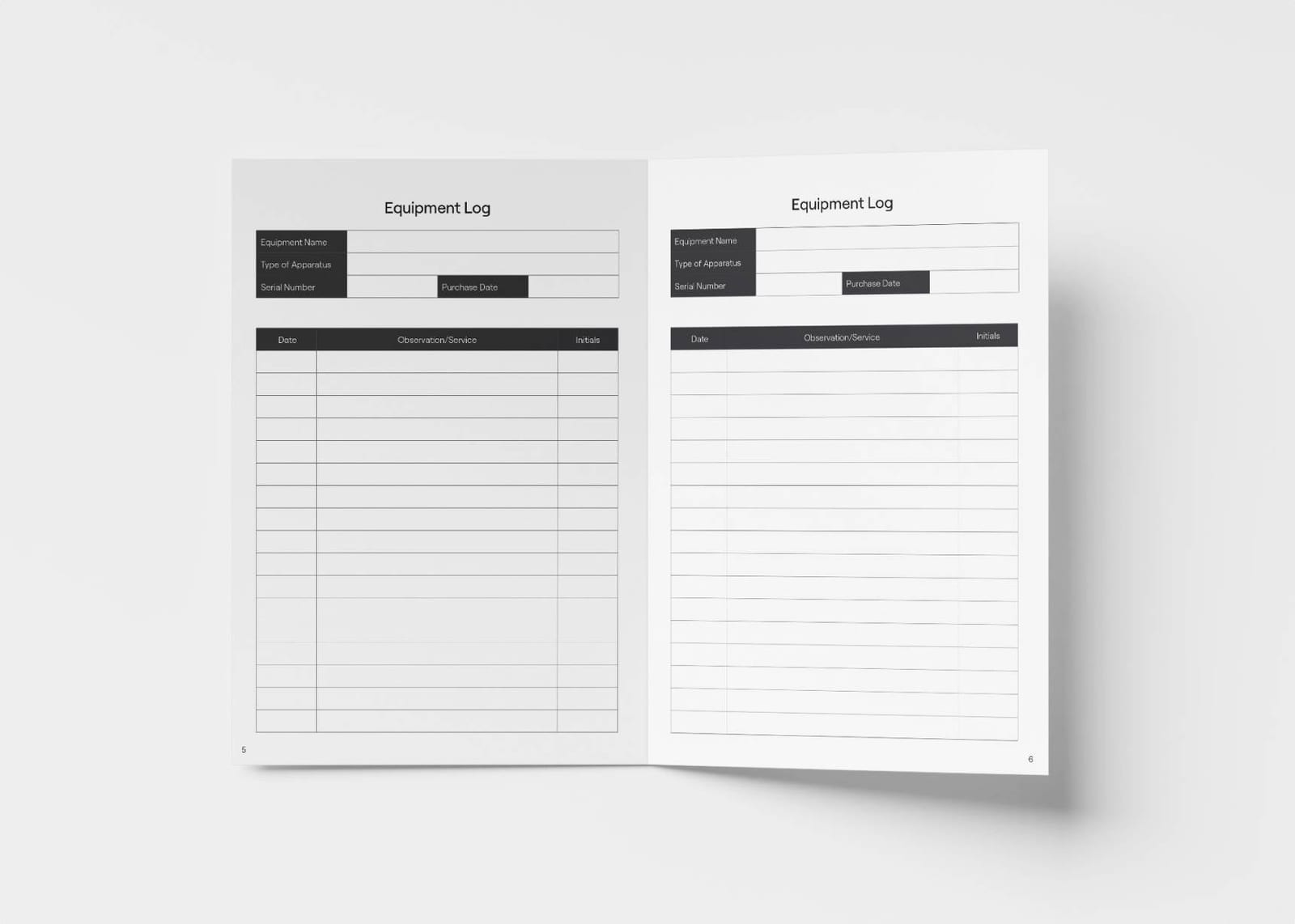
Record the date, what was checked, what was replaced and by whom. In a studio this is useful evidence of a maintenance system if an equipment failure is ever disputed.
It also builds a history. After two or three years the record shows which machines take the heaviest use and which parts wear fastest in your particular setting.
Schedule it for a quiet week
Servicing reactively means a machine out of action during peak hours. Servicing on a schedule during a quiet period costs the same in parts and nothing in lost classes.
Many studios do a third of their machines each quarter, which spreads both the work and the parts cost.
What to have on hand
Order consumables before you start. A service that stops halfway because the ropes have not arrived leaves a machine partly dismantled and out of service for a week.
A full spring set, two ropes, a wheel set and a pair of stoppers per machine due for service is a reasonable order.
Frequently asked questions
- How long does a reformer service take?
- About 45 minutes per machine for a full annual service, assuming replacement parts are already on hand.
- Can I service a reformer myself?
- Yes for everything on the standard checklist. Frame damage, a racked frame or a scored rail are the exceptions and need professional assessment.
- How do I check if a reformer frame is square?
- Measure both diagonals across the frame. More than about 1/8 inch difference means it has racked, which affects rail parallelism.
- When should a studio service its machines?
- On a schedule during quiet periods — many studios service a third of the room each quarter, spreading both the labor and the parts cost.