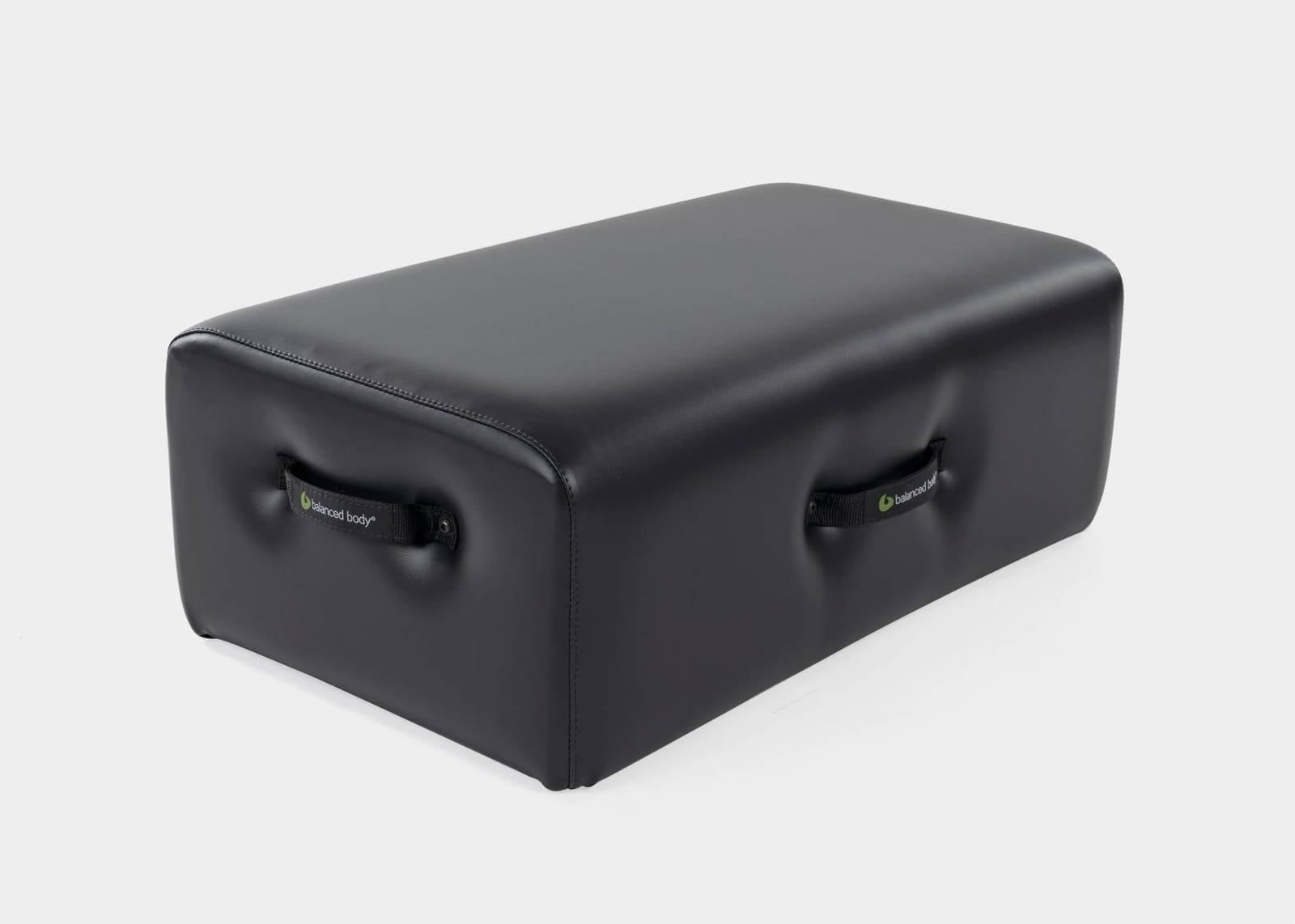
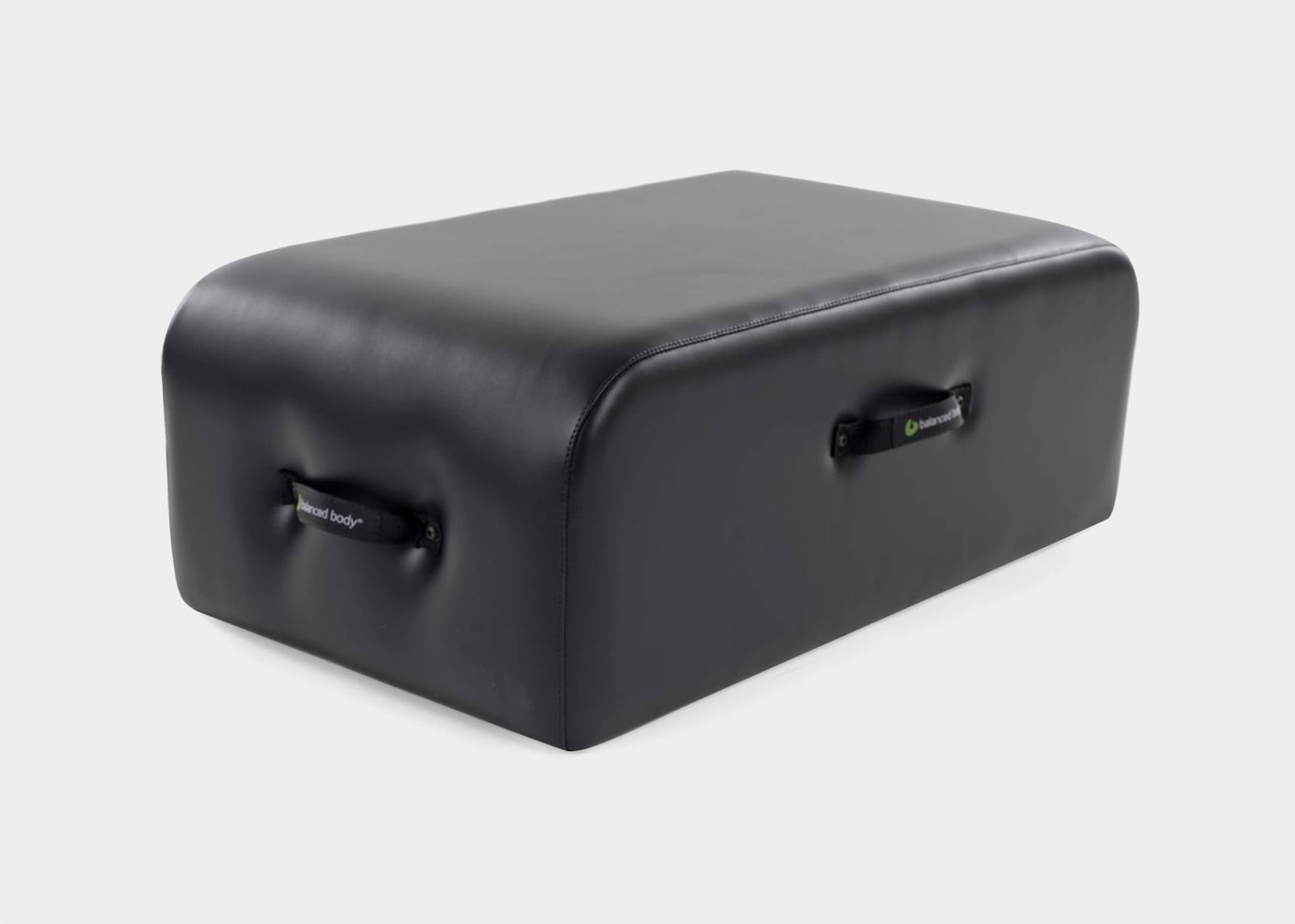
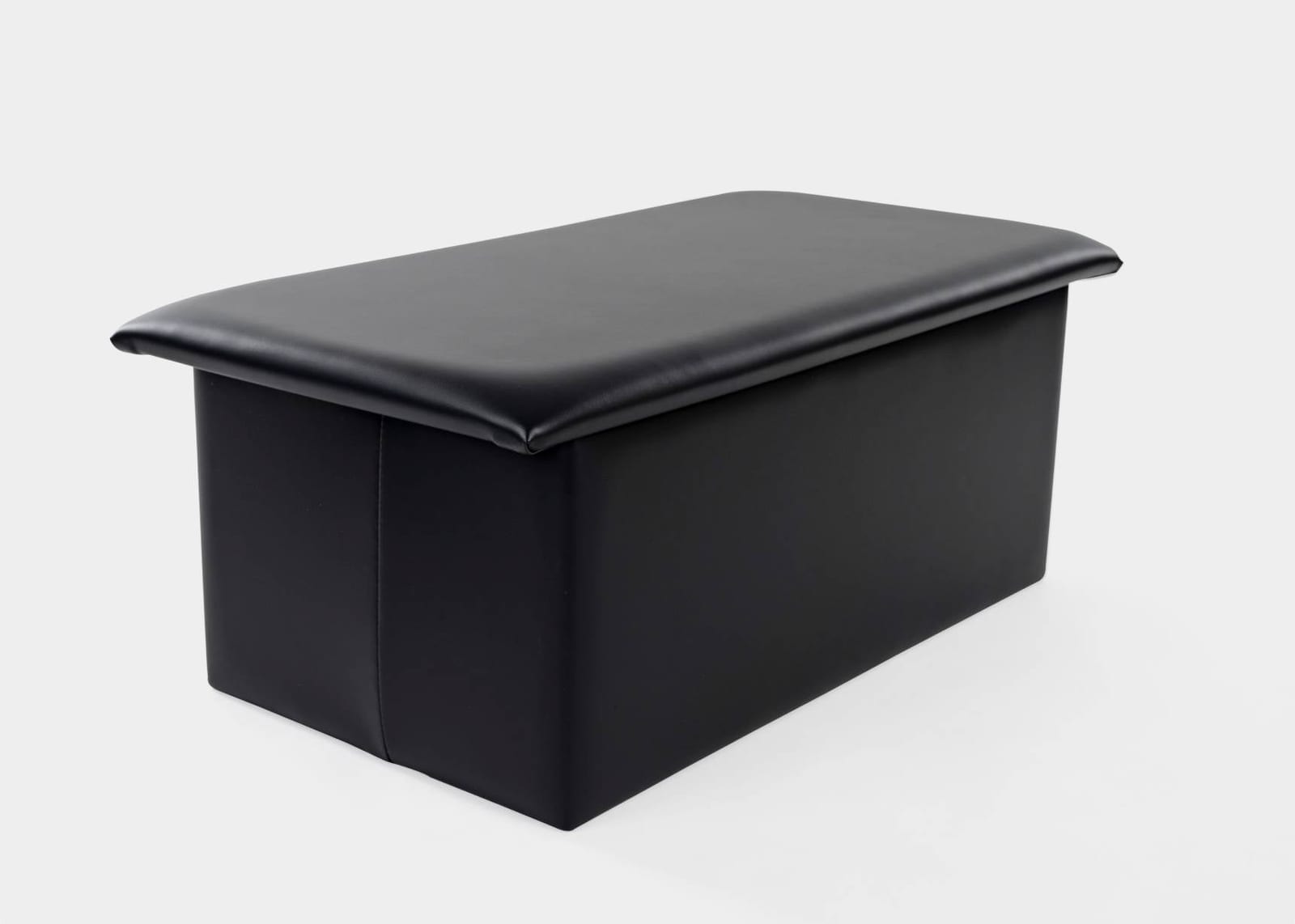
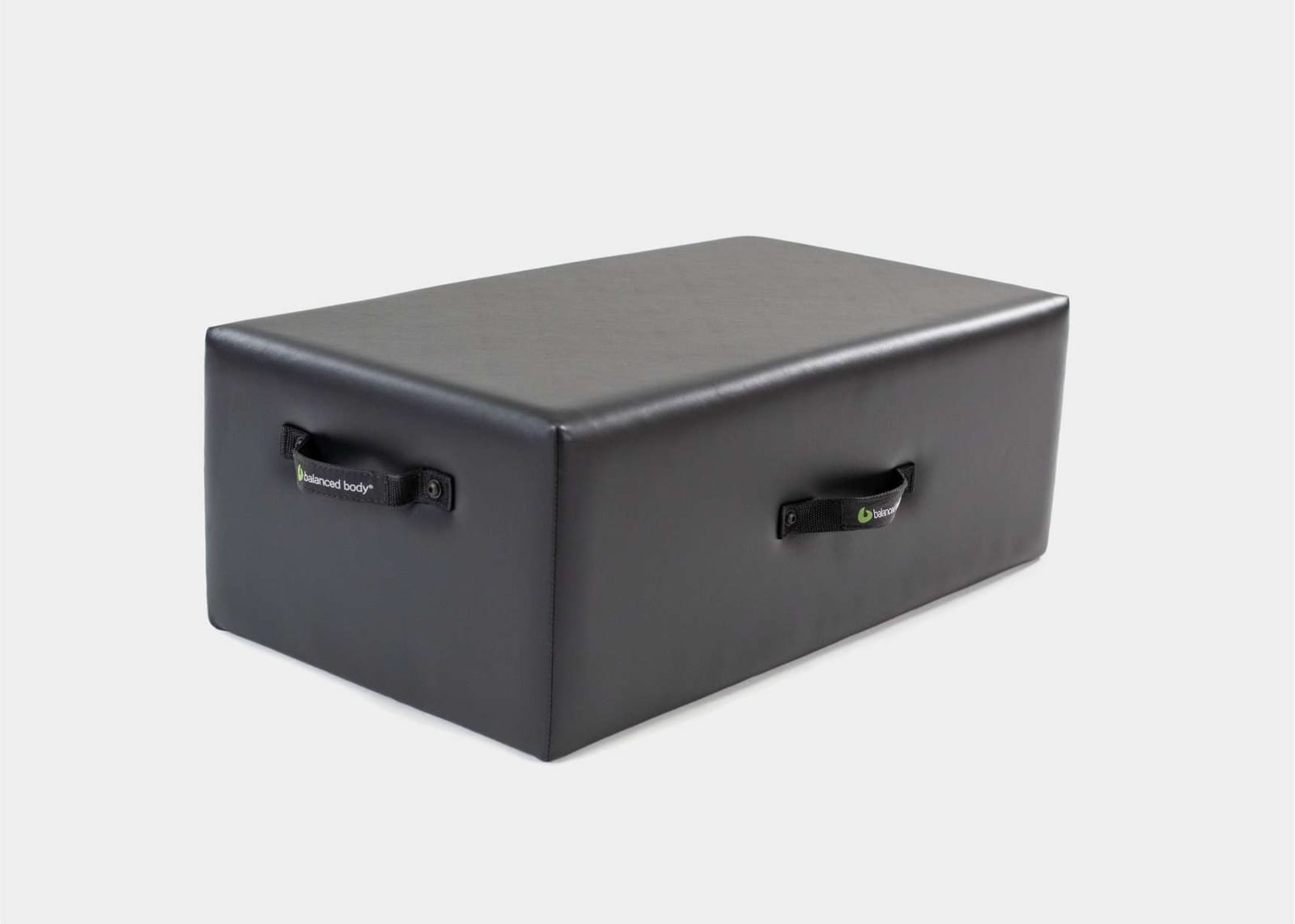
Sitting Boxes
7 products
Choosing from this range
A reformer is the most versatile single piece of Pilates equipment, and the specifications that separate a machine worth owning for a decade from one that develops carriage play in year three are consistent: frame rigidity, bearing type, spring gradient, carriage travel and whether wear parts can be replaced.
Every reformer listed here publishes its frame material, spring package and footprint in full. If you are choosing between models, work from those figures rather than from descriptions — "studio grade" and "commercial quality" are phrases with no standard behind them.
What to check before you choose a reformer
- Carriage travel — 40–42 in for users over about 5 ft 10 in
- Bearing type — sealed precision bearings stay quiet for years; bushings do not
- Spring gradient — how many distinct tensions, not how many springs
- Maximum user weight — choose at least 50 lb above the heaviest user
- Footbar range — a genuinely low setting for taller users, high for shorter
- Parts availability — springs, ropes, wheels and upholstery sold separately
Sitting Boxes — frequently asked questions
How much space does a Pilates reformer need?
A reformer is roughly 8 ft long and 2 ft 3 in wide, but plan for a working area of about 10 ft × 6 ft. That allows carriage travel clearance at the foot end and at least 2 ft of access along one side.How much should I spend on a reformer?
Home machines that are genuinely worth owning start around $1,500–$2,500. Studio-grade equipment built for group-class duty runs $3,000–$6,000. Below about $1,000 you are usually buying non-replaceable parts.Do you offer discounts on multiple reformers?
Yes — 5% off two or more of the same product, 10% off three or more, and 15% off five or more. The discount applies automatically in the cart with no quote request.Is a wood or aluminum frame better?
Neither inherently. Hardwood is stiffer and quieter and suits a permanent installation; aluminum is lighter and unaffected by humidity. Build quality within each material varies far more than between them.