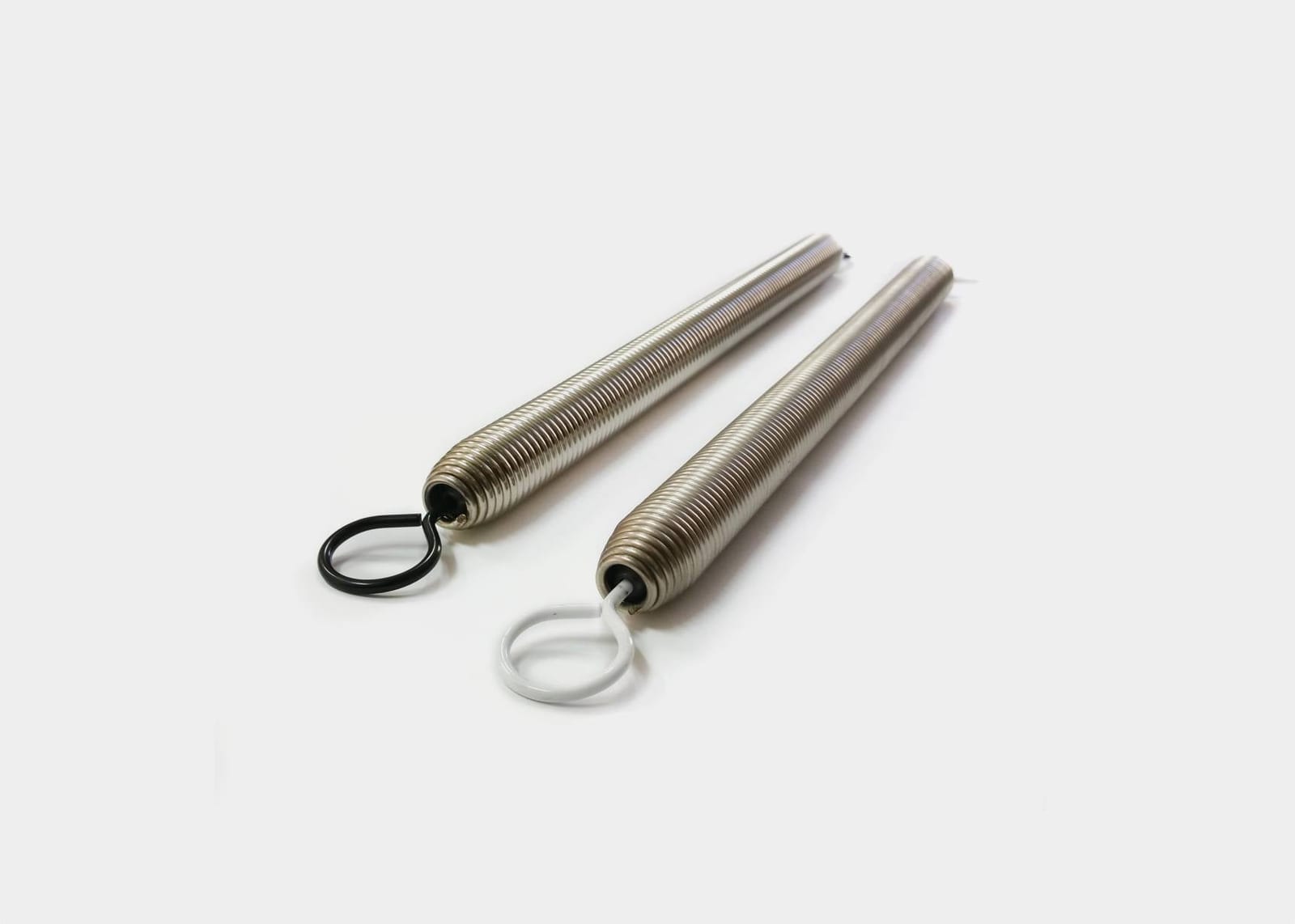
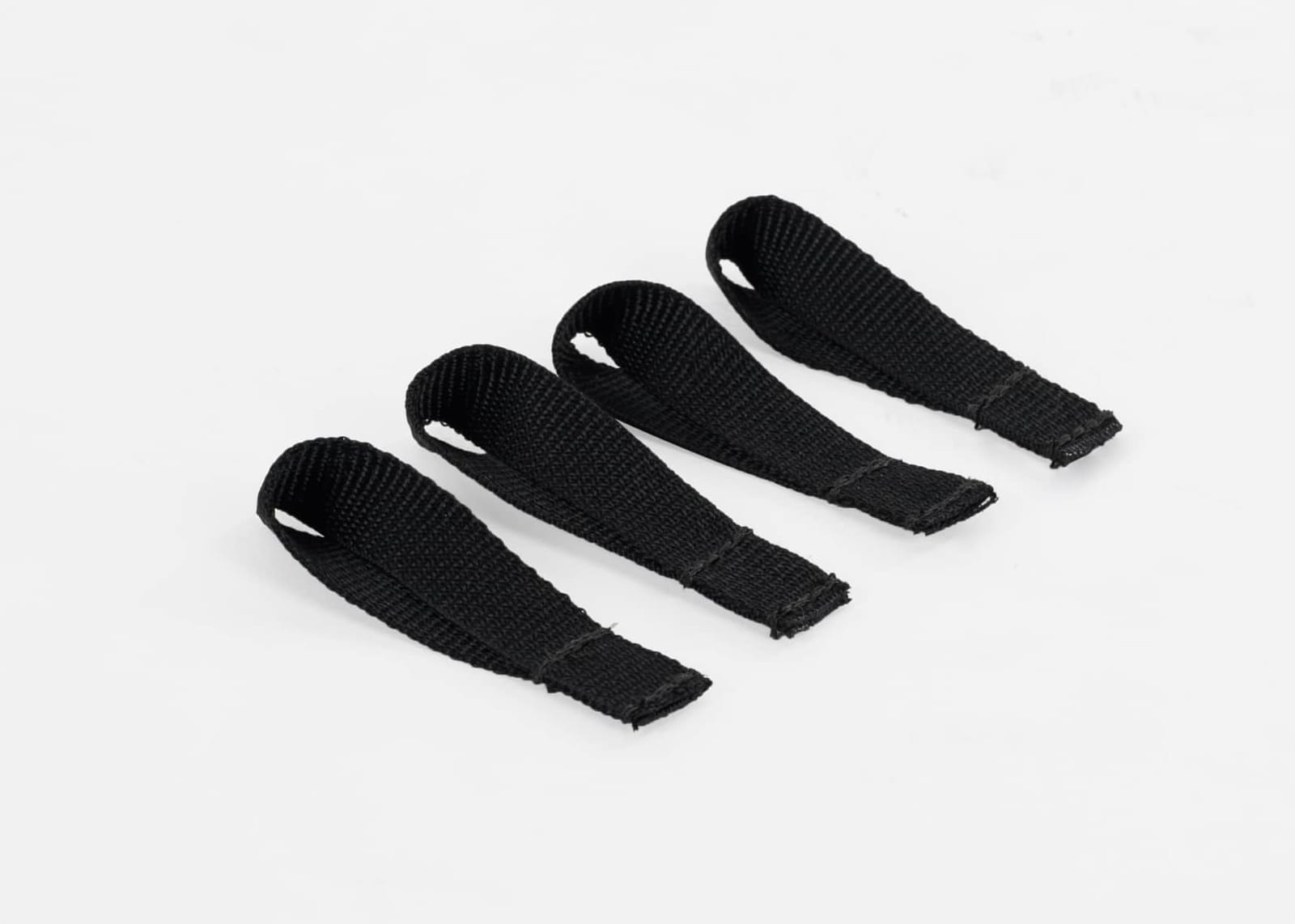
CenterLine Chair Replacement Parts
2 products
Choosing from this range
A Pilates chair is the highest-value apparatus per square foot after the reformer. It occupies about 2 ft square, needs roughly 5 ft × 5 ft of working area, and adds standing, seated and unilateral pressing work that a reformer handles less directly.
The two decisions that matter are split versus solid pedal, and handles versus no handles. Split pedals allow genuine unilateral loading for asymmetry work; handles make the apparatus accessible to beginners and clinical clients at the cost of footprint and price.
What to check before you choose a chair
- Split or solid pedal — split allows unilateral loading and asymmetry work
- Handles — make standing work accessible to beginners and clinical clients
- Spring attachment heights — position changes resistance as much as spring choice
- Base stability — the chair must not shift during standing work
- Pedal and seat padding for comfort in pressing work
CenterLine Chair Replacement Parts — frequently asked questions
Is a Pilates chair good for beginners?
A handled chair, yes. A classical Wunda chair without handles is demanding and better approached after some reformer or mat experience.How much space does a Pilates chair need?
The chair itself is about 2 ft square, but allow roughly 5 ft × 5 ft of working area to accommodate standing work around it.Do I need a split pedal?
For studio, clinical or asymmetry-focused work, yes — it is the only way to load each side independently. For general home use a solid pedal is fine.