Anatomy & Movement
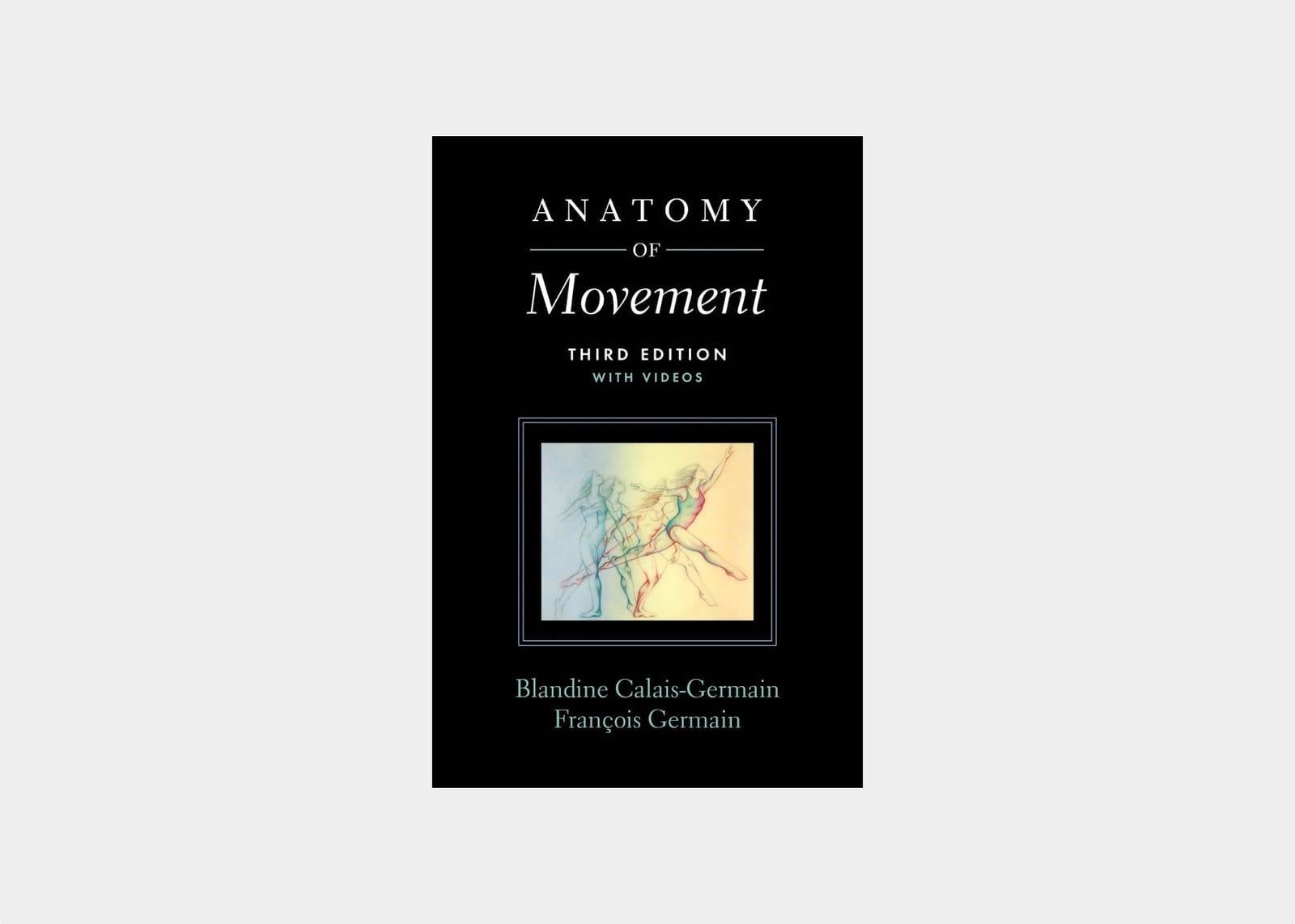
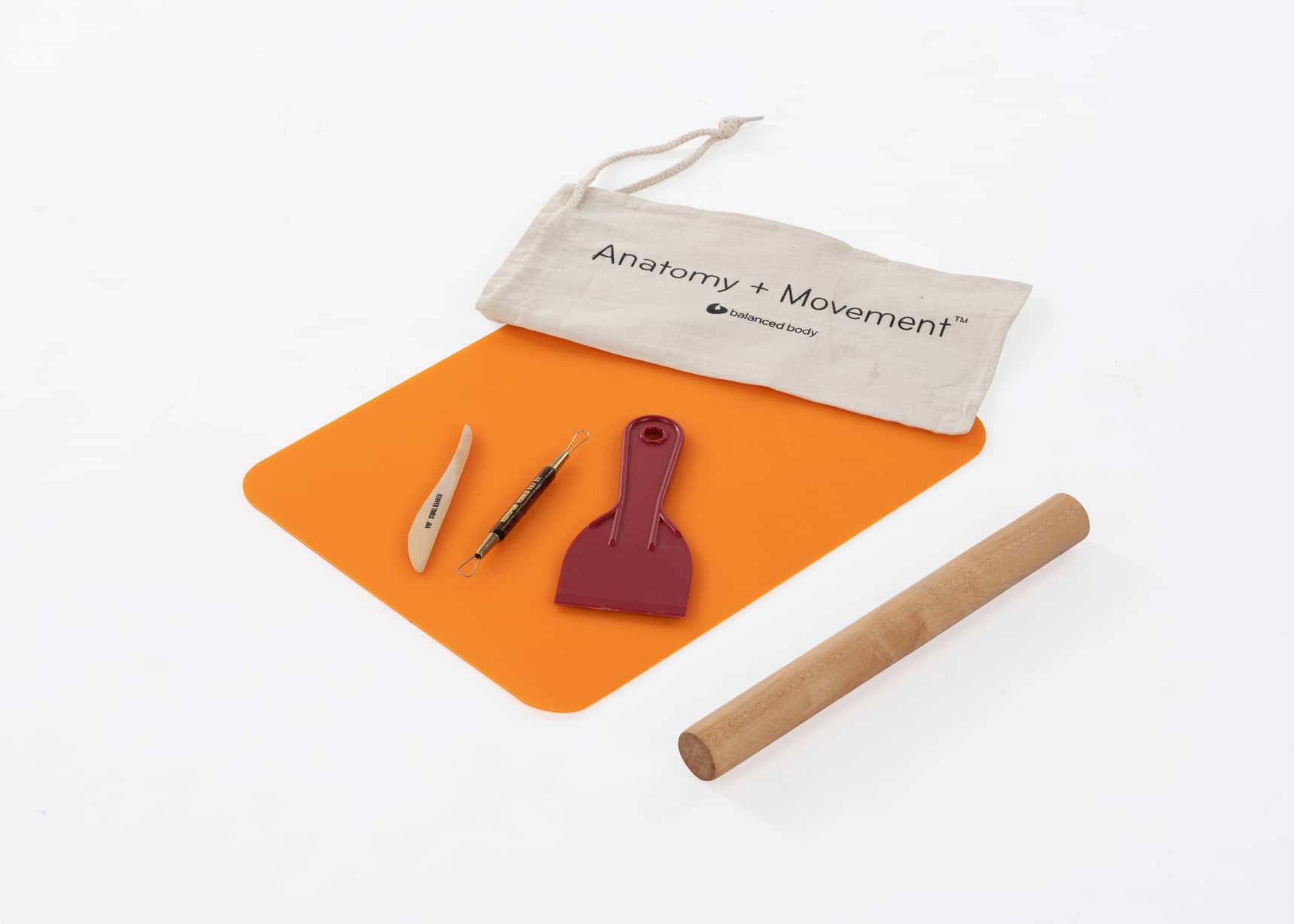
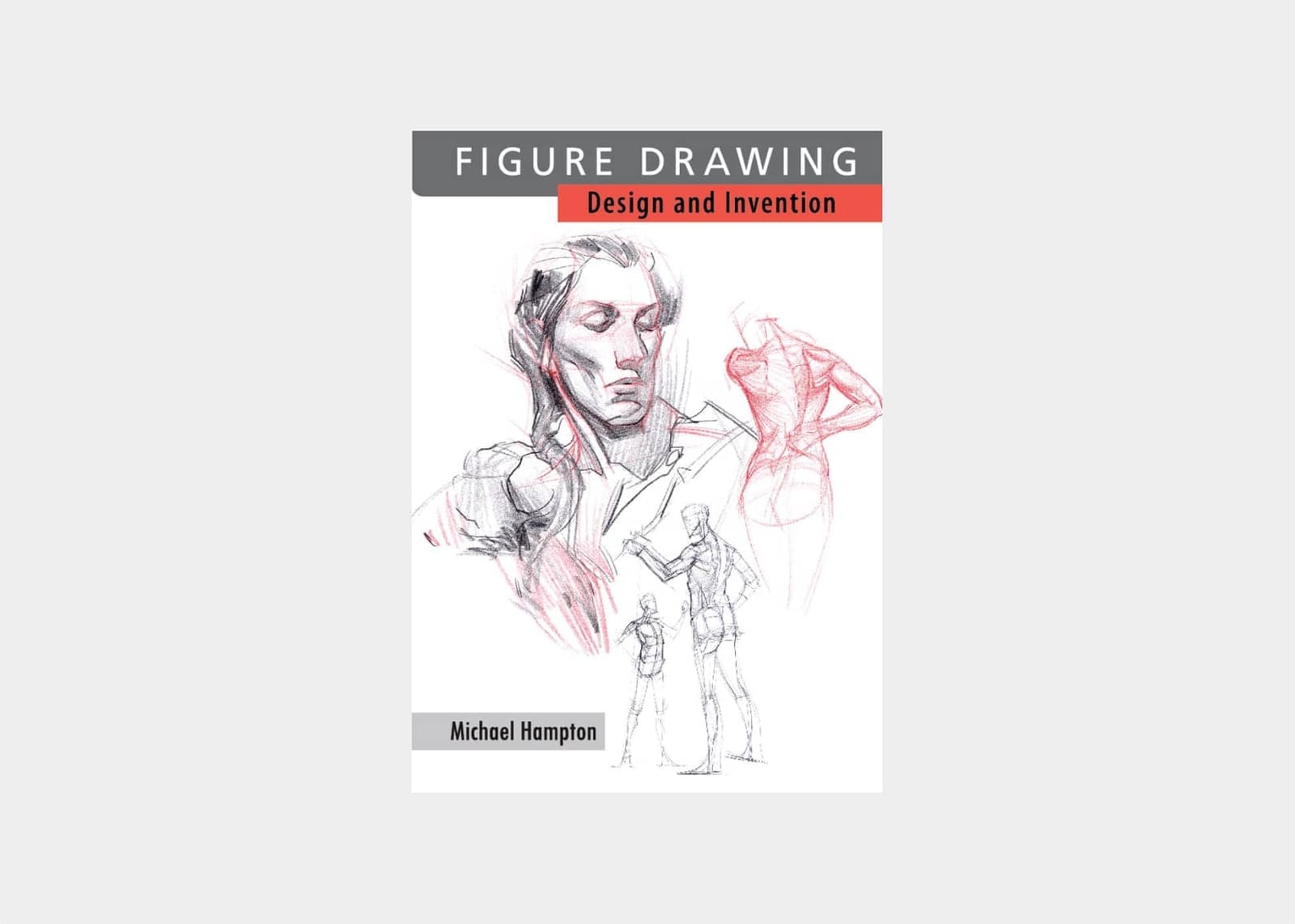
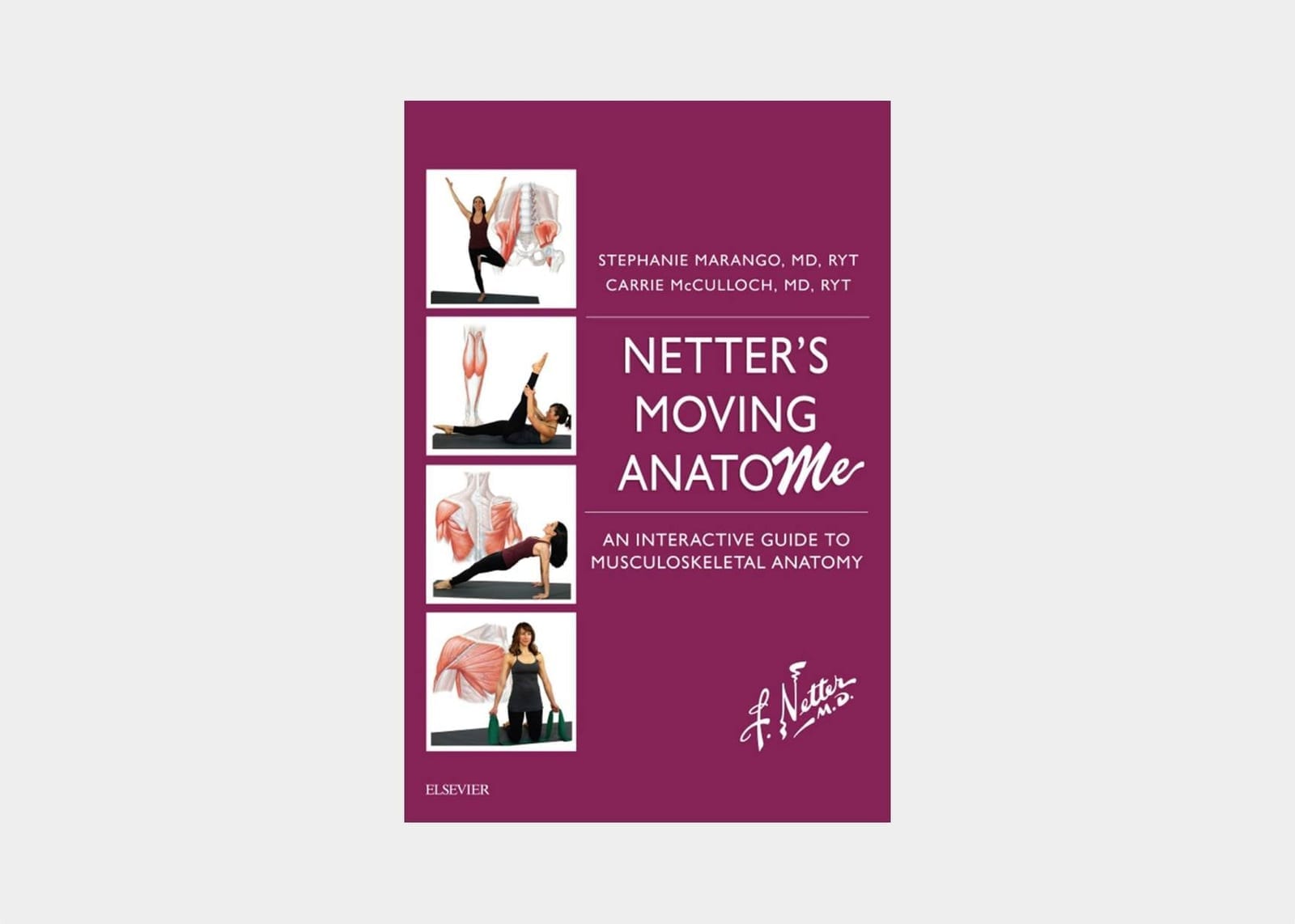
Choosing from this range
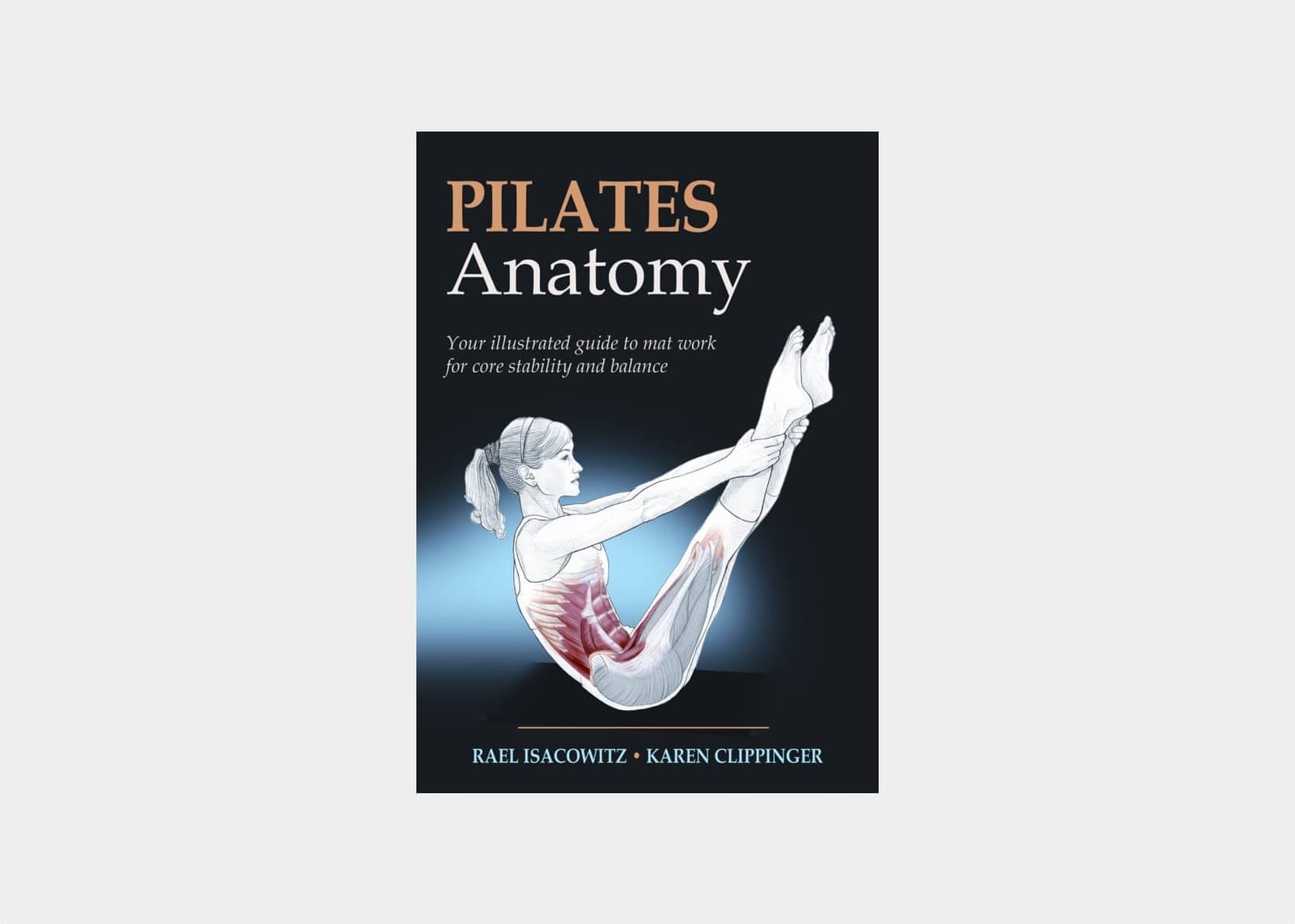
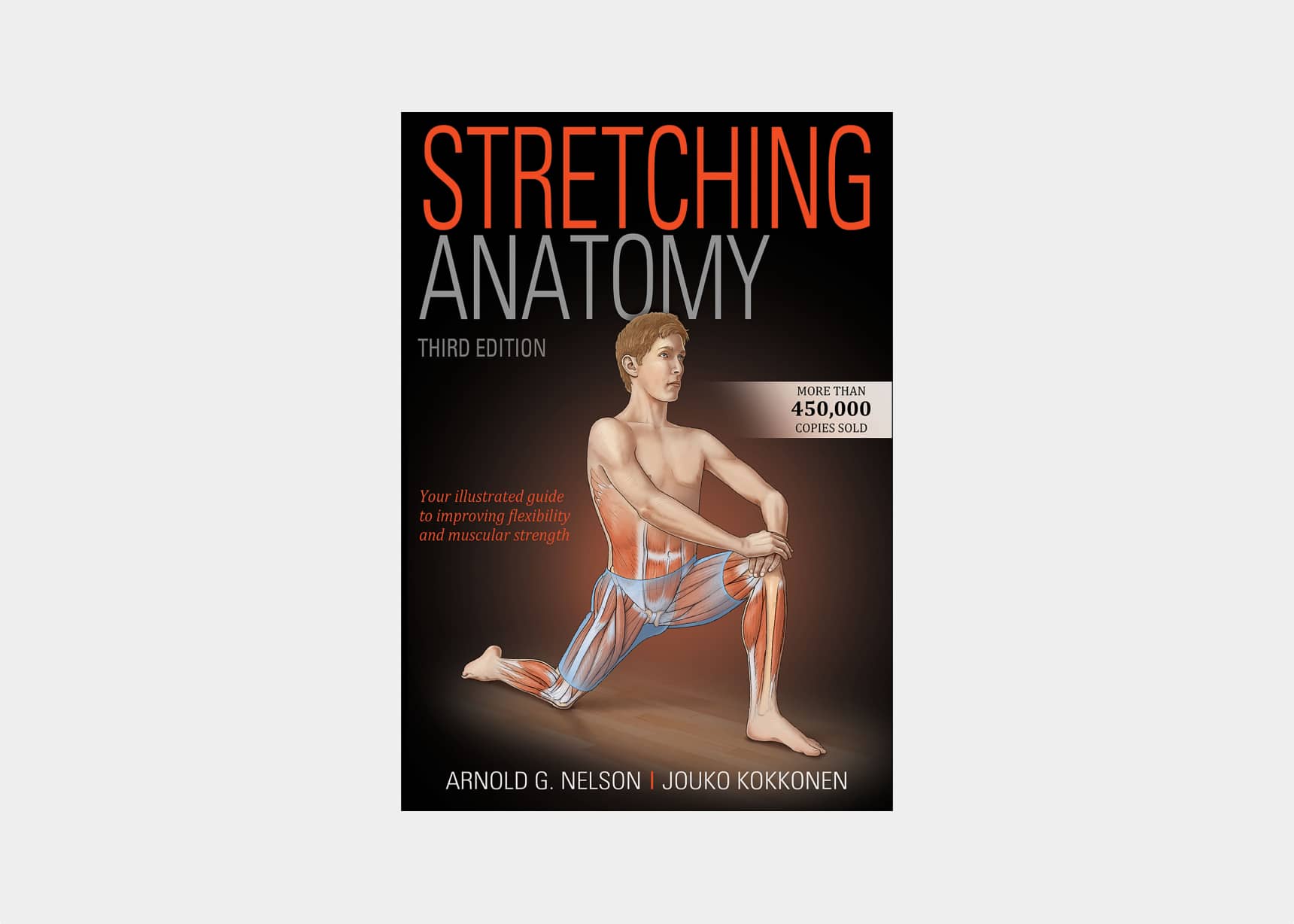
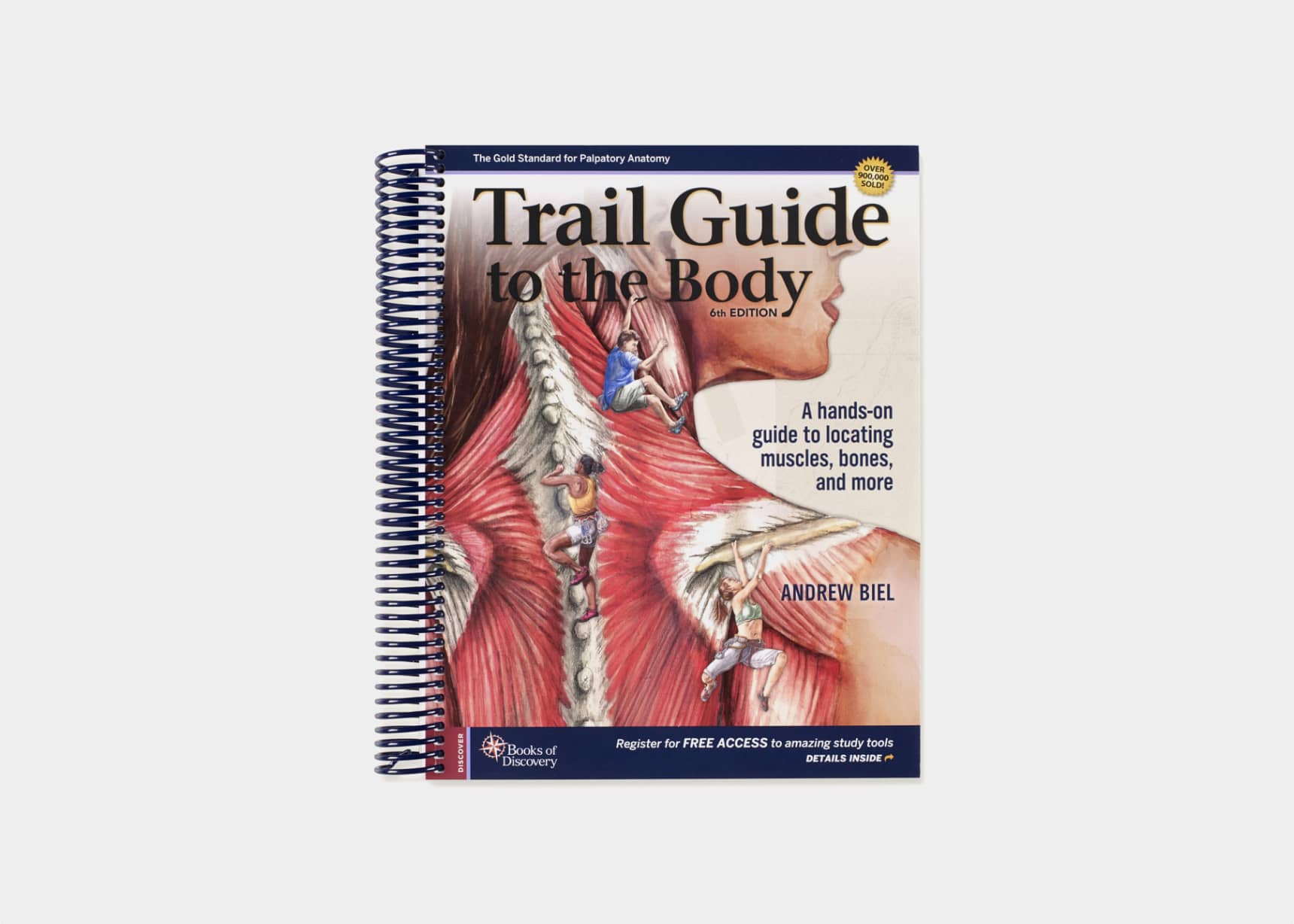
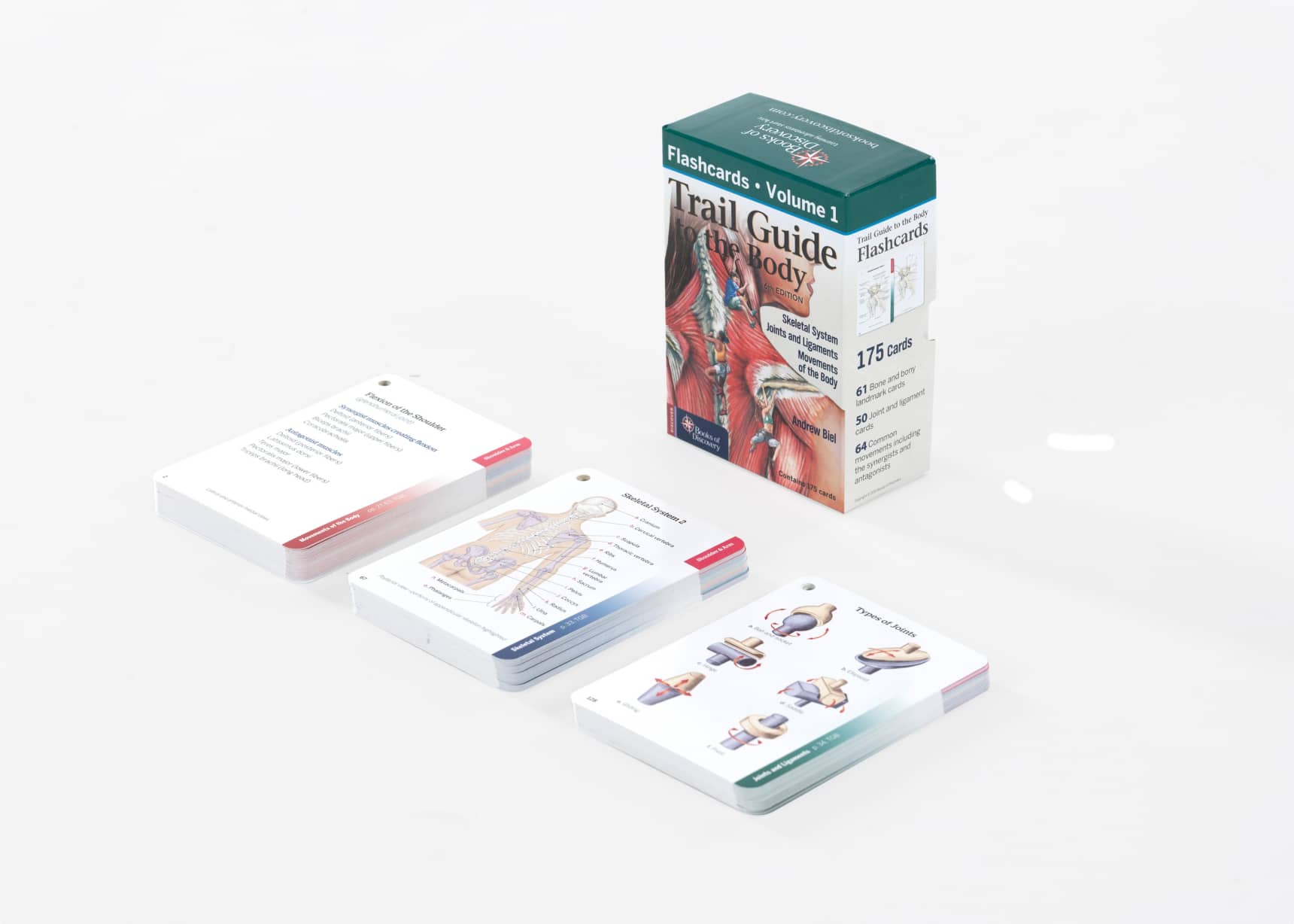
Manuals, exercise guides and reference material are how a repertoire gets retained between sessions. For teachers they function as programming references; for home practitioners they solve the specific problem of remembering a sequence correctly a week after learning it.
Pair printed references with the practical guides on this site — the written material covers the what, and the guides cover the why and the common errors.
What to look for in reference material
- Whether it matches the apparatus you actually own
- Photographic or illustrated cueing rather than text alone
- Modifications and regressions included, not just the full version
- Suitability for your level — some assume teacher training
Anatomy & Movement — frequently asked questions
Can I learn Pilates from a manual?
A manual teaches the sequence but cannot see what you are doing. Three to six supervised sessions first establishes the reference for what movements should feel like.Which reference suits a home practitioner?
Look for exercise guides matched to the apparatus you own, with modifications shown rather than only the full version of each exercise.Do I need a manual if I attend classes?
It helps retention between sessions, which is the main reason people forget sequences. It is a supplement to teaching rather than a substitute.